World Cup 2026: Skyrocketing Transit Costs Threaten Fan Accessibility
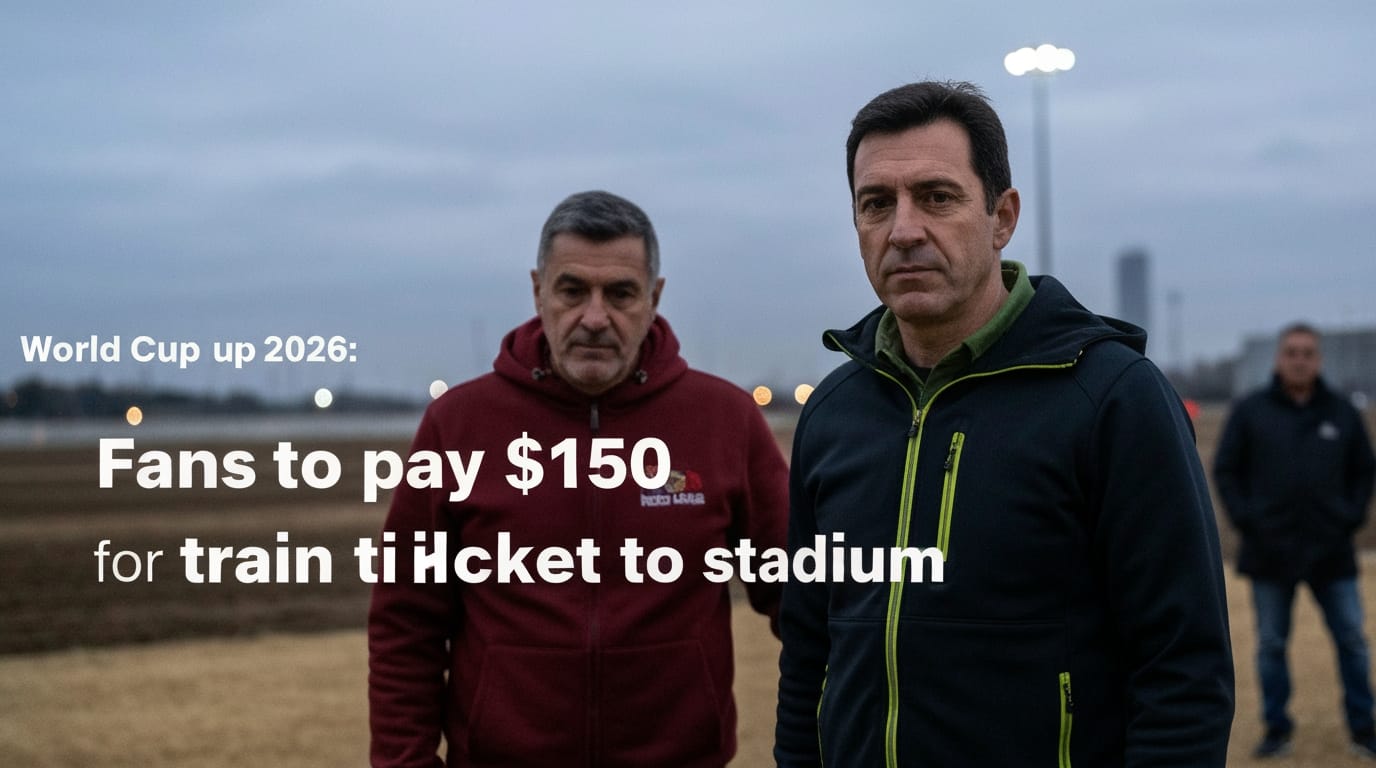
The excitement building for the 2026 FIFA World Cup, set to be co-hosted by the United States, Canada, and Mexico, is now contending with significant concerns over the escalating costs of attending matches, particularly regarding public transportation to stadium venues. Revelations of a $150 round-trip train ticket from New York Penn Station to MetLife Stadium, the site of the tournament's final and several other high-profile games, have sparked outrage and ignited a broader debate about the affordability and accessibility of the global spectacle for average fans. This substantial price hike, a nearly twelve-fold increase from typical fares, highlights the formidable financial hurdles many supporters will face, prompting questions about the tournament's inclusive spirit.
The Sticker Shock: A $150 Train Ride to the Final
NJ Transit recently confirmed that a round-trip train ticket for fans traveling from New York Penn Station to MetLife Stadium in East Rutherford, New Jersey, will cost $150 during the 2026 FIFA World Cup. This fare applies to eight matchdays, including the final, and represents a stark contrast to the usual $12.90 round-trip fare for the same route. In addition to the elevated train prices, shuttle bus services from designated locations will be priced at $80 for a round trip, and parking at the stadium for those who manage to secure it is set at $225. These figures were unveiled as officials detailed a sweeping transportation plan designed to manage the massive influx of fans, with MetLife Stadium alone expected to draw over 78,000 spectators per game.
The substantial increase is attributed by NJ Transit to the operational scale and estimated costs, projecting approximately $48 million to provide service for the games. The agency indicated that only about $13.6 million of these costs have been secured through grants from FIFA and the federal government, with the remaining balance factored into ticket pricing. Adding to the challenge, FIFA has eliminated general spectator parking at MetLife Stadium, temporarily renamed New York New Jersey Stadium for the tournament, meaning public transit and ride-sharing will be the primary modes of transport.
A Continent-Sized Challenge: Logistics of North American Hosting
The 2026 World Cup's unprecedented geographical spread across three nations and numerous host cities presents a unique set of logistical challenges. Unlike more compact tournaments, fans will often need to travel significant distances between venues. While the $150 train ticket is specific to the New York/New Jersey metropolitan area, it underscores a wider trend of increased transportation costs. In Massachusetts, for example, round-trip train tickets from central Boston to Gillette Stadium will cost $80, a four-fold increase from the standard $20 for typical events. Similarly, bus tickets for this route are slated at $95, and parking at Gillette Stadium will start at $175.
Host cities and transit agencies are grappling with the immense task of moving millions of fans efficiently and safely. Many North American urban centers, particularly in the United States, have historically prioritized highway infrastructure over robust public transportation networks. Experts suggest that some cities remain unprepared for the expected influx of 6.5 million people, potentially leading to increased congestion and operational strain on already stretched systems. Daily commutes are anticipated to overlap with stadium traffic, exacerbating gridlock unless effective strategies are implemented to reduce reliance on individual vehicles.
Accessibility Under Scrutiny: Impact on the Fan Experience
The escalating transportation fares have drawn sharp criticism from fans, politicians, and sporting bodies, raising concerns about the fundamental accessibility of the World Cup. New Jersey Governor Mikie Sherrill and New York Senator Chuck Schumer have vocally criticized FIFA, asserting that the organization, projected to generate $11 billion from the event, should bear a greater share of the transportation costs. Governor Sherrill emphasized that the state should not subsidize World Cup ticket holders on the backs of New Jersey taxpayers and commuters. Senator Schumer called the situation a "shakedown," arguing that FIFA's vast profits should translate into ensuring affordable access for local residents.
FIFA, in response, has pushed back, with its chief event operations officer, Heimo Schirgi, suggesting that NJ Transit's pricing model could have a "chilling effect" on fan attendance. FIFA maintains that it has collaborated with host committees since 2018 to develop transportation plans aimed at minimizing congestion and enhancing the fan experience. However, the debate highlights a tension between the financial realities of hosting a mega-event and the aspiration to make it globally inclusive. For many, the prohibitive cost of travel, when combined with already high ticket prices, accommodation surges, and other daily expenses, could render attending matches a luxury beyond the reach of average supporters.
Looking Ahead: Solutions and Unanswered Questions
The issue of World Cup transportation costs extends beyond individual ticket prices; it delves into the broader readiness of North American infrastructure and the financial responsibilities of international sporting bodies versus local authorities. While cities like Los Angeles and Atlanta are working to expand and coordinate public transport services, the sheer scale of the event means that temporary solutions and price adjustments are becoming the norm.
The current situation suggests that fans planning to attend World Cup matches will need to budget significantly for travel, potentially altering their plans to attend multiple games or even limiting their presence to fewer host cities. The dialogue between local governments and FIFA will likely continue as stakeholders seek a balance between maximizing revenue, managing complex logistics, and preserving the inclusive spirit of the world's most popular sporting event. The coming months will reveal how these financial and logistical challenges are ultimately navigated, determining the extent to which the 2026 FIFA World Cup will be truly accessible to the global football community.


