Yemen Plunges Toward Full-Scale War Amid Escalating Houthi Attacks
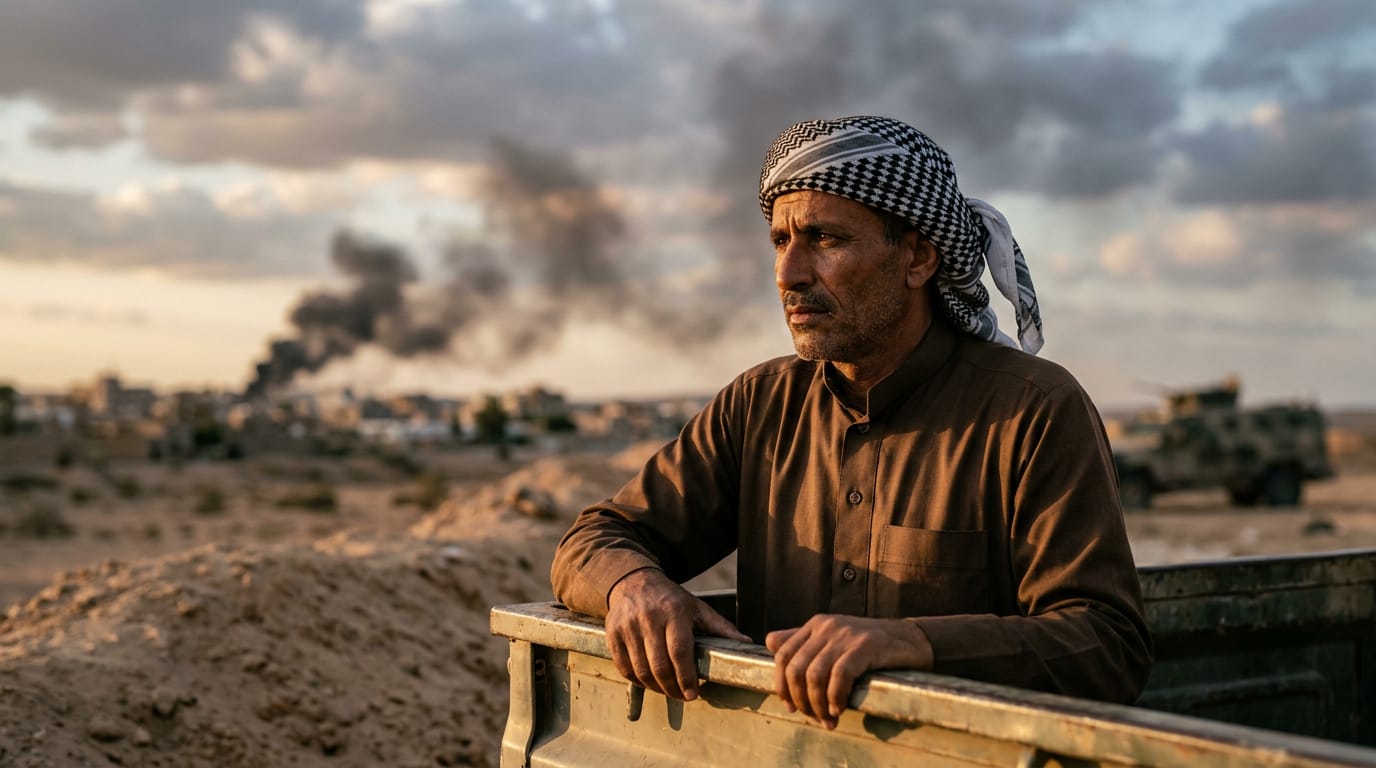
Yemen stands at a perilous crossroads, teetering on the brink of a full-scale war after a series of deadly Houthi missile and drone strikes shattered a fragile four-year truce. Recent assaults on government military camps and vital maritime routes have dramatically escalated tensions, prompting fears that the nation, already ravaged by years of conflict, is sliding back into widespread hostilities. International bodies and regional powers are voicing alarm as the humanitarian consequences of a renewed conflict threaten to deepen an already catastrophic crisis.
The current wave of escalation began with a devastating Houthi offensive on August 6, targeting government military installations in the strategically vital Marib and Hadramawt provinces. Ballistic missiles and drones struck positions at Al-Ruwaik in Marib and Al-Abr and Al-Wadiah in Hadramawt, resulting in one of Yemen's deadliest days since the 2022 truce had significantly reduced front-line fighting. Initial reports indicated at least 30 soldiers killed and over 50 wounded, with medical sources later revising the death toll to at least 38. A subsequent military estimate placed the number of fatalities as high as 58 among the Presidential Leadership Council (PLC) troops and several civilians in Marib, according to Yemeni sources. One missile reportedly struck troops during a morning formation, amplifying the casualties. The Houthis claimed these attacks were in response to Saudi-backed forces preparing a major offensive, a claim denied by the internationally recognized Yemeni government, which denounced the attacks as treacherous and vowed retaliation.
The strikes targeted key areas: Marib remains one of the government's most strategically important strongholds, while eastern Hadramawt provides crucial access to Saudi Arabia and significant military and commercial routes. By striking both regions, the Houthis demonstrated an expanded capability to threaten both the government's central defensive line and its eastern rear. Following these assaults, government forces launched coordinated retaliatory attacks against Houthi positions across several front lines on Saturday, August 10, including in southern Marib, targeting Houthi personnel and military capabilities in response to the initial strikes. Further Houthi attacks also extended to Saudi Arabia, striking the southern Najran region and injuring 11 civilians.
The recent surge in violence marks the definitive collapse of the UN-brokered truce that had provided a measure of calm since April 2022. This ceasefire, though informal and often strained, had largely frozen the country's main front lines and offered a glimmer of hope for a political resolution to the protracted conflict that began in 2015. For four years, the truce had averted full-scale warfare, but underlying grievances and a lack of significant progress in political negotiations ultimately undermined its stability. The Houthis' decision to escalate reflects an attempt to break a longstanding Saudi blockade, disrupt military preparations by anti-Houthi forces, and secure additional concessions from Riyadh.
Beyond the internal conflict, these Houthi actions are increasingly intertwined with broader regional confrontations, particularly the U.S.-Iran war. Since declaring a maritime blockade against Saudi Arabia on July 20, the Houthis have expanded their targeting to Saudi-linked tankers, airports, and energy facilities around the Red Sea, including facilities of the Kingdom's state-backed oil giant Aramco. On August 11, four crew members and three port workers were reportedly killed in Houthi attacks in the Bab al-Mandab strait, with another attack occurring at Almoka port on August 9. These maritime aggressions led Saudi forces to respond with strikes on Houthi positions, ending much of the restraint observed since 2022. Riyadh is now actively constructing a broader maritime response, with representatives of 43 countries recently attending talks on a Saudi-led Multinational Maritime Defense Coalition aimed at protecting shipping across Bab al-Mandab, the Red Sea, and the Gulf of Aden. This strategy aligns with Iran's broader efforts to damage energy infrastructure in the Arab Gulf states and use the Houthis to increase pressure on the U.S. and its allies, leveraging strategic points like Bab al-Mandab as an alternative pressure point to the Strait of Hormuz.
The prospect of renewed full-scale conflict casts a long, dark shadow over a country already grappling with one of the world's worst humanitarian crises. The civil conflict between 2015 and 2022 killed tens of thousands, uprooted millions, triggered severe cholera outbreaks, and pushed Yemen to the brink of famine. The modest recovery in economic and humanitarian conditions since the 2022 ceasefire is now severely jeopardized. The United Nations Human Rights Chief, Faluk, warned earlier this month that Yemen risks a return to full-scale conflict if Houthi strikes continue, urging an immediate halt to all actions that could exacerbate the situation. At least 17 civilian casualties from Houthi attacks have been reported in government-controlled areas since August 6. The UN has called on all parties to de-escalate tensions and spare the Yemeni people further misery, emphasizing the immense suffering already endured from years of conflict, displacement, and humanitarian hardship.
Yemen finds itself at a critical juncture, where the cessation of a fragile truce has rapidly spiraled into widespread fighting. The Houthis' strategic calculation to escalate both on land and at sea has not only endangered the lives of countless Yemenis but also amplified regional instability. With government forces retaliating and international coalitions forming, the path forward appears fraught with the potential for further bloodshed. The urgent need for de-escalation and a genuine commitment to a political solution has never been more pressing, as the alternative is a return to a devastating war that would unleash unimaginable suffering on a population already at its breaking point.