Yemen Teeters on the Brink as Houthi Ambitions Fuel US-Iran War Fears
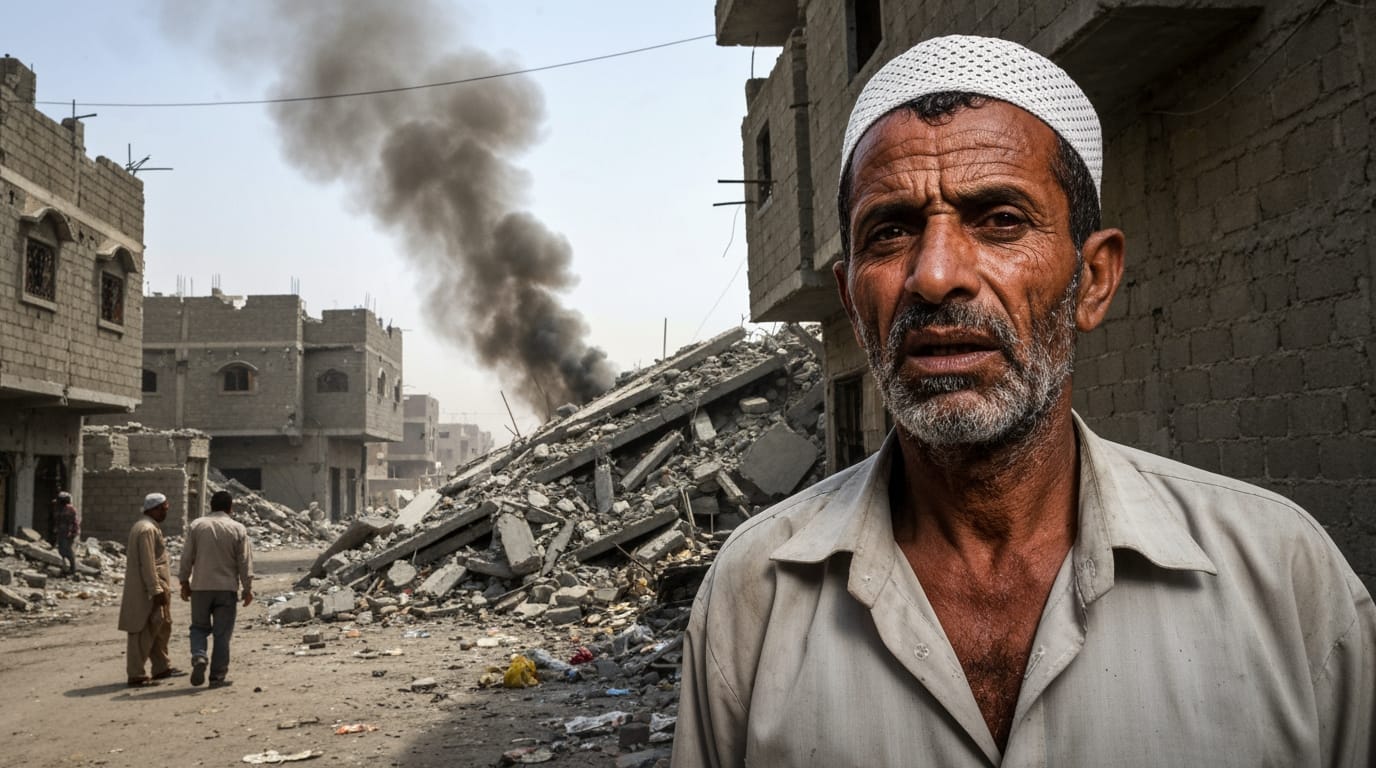
SANAA, Yemen – A deep and palpable anxiety grips Yemen as Houthi pronouncements and military posturing increasingly align with the escalating tensions between the United States and Iran, threatening to plunge an already devastated nation into an even more catastrophic regional conflict. After years of brutal civil war, the prospect of a wider conflagration, fueled by the Houthis' emboldened rhetoric and their strategic alliance with Tehran, casts a long shadow over a populace already grappling with the world's most severe humanitarian crisis. The interwoven dynamics of internal Yemeni strife and the broader geopolitical rivalry between Washington and Tehran are creating a volatile cocktail, leaving millions of Yemenis dreading a future that promises only further desolation.
The Escalating Shadow of Conflict
The Middle East remains on edge amidst a significant military buildup by the United States and a series of reciprocal threats and actions between Washington and Tehran. The United States has deployed aircraft carrier strike groups, fighter jets, and air defense systems to the region, signaling a readiness to act should negotiations with Iran fail to curb its nuclear ambitions and support for proxy networks. Meanwhile, Iran has engaged in military drills in the Strait of Hormuz, temporarily closing the vital waterway, and has warned of a "painful and regrettable" response to any US attack. Amid this charged atmosphere, the Houthi movement in Yemen, officially known as Ansar Allah, has emerged as a key actor further ratcheting up regional instability. The Houthis have publicly threatened to target Red Sea shipping, American bases in the region, and even Israel, should a conflict erupt between the US and Iran. These threats are not without precedent; the Houthis have previously launched ballistic missiles and drones at Israel and have conducted numerous attacks on commercial and military vessels in the Red Sea. The US has responded to these provocations with airstrikes against Houthi targets in Yemen, aiming to degrade their military capabilities and ensure freedom of navigation. This cycle of action and reaction, coupled with the Houthis' explicit declarations of war against America, highlights a dangerous trajectory toward an expanded regional conflict.
The Houthi-Iran Nexus: An Axis of Resistance
The Houthis' capacity to project power and make such bold threats is intrinsically linked to their deepening relationship with Iran. Described by many experts as Iran's "willing partner" rather than a mere proxy, the Houthis have become a crucial component of Tehran's "axis of resistance" – a network of allied groups designed to extend Iranian influence and deter adversaries. Since their insurgency began in 2014, when they seized the Yemeni capital of Sanaa, the Houthis have received significant military, financial, and political support from Iran. This backing includes transfers of advanced weaponry, such as ballistic missiles, cruise missiles, and drones, along with critical training and intelligence support. While the Houthis have developed some indigenous arms production capabilities, particularly for UAVs and close-range ballistic missiles, they remain heavily reliant on Iran for sophisticated technologies and more advanced systems like turbojet engines for cruise missiles. The strategic alignment between the Houthis and Iran serves mutual interests: Iran gains a valuable partner to pressure regional rivals like Saudi Arabia and to threaten maritime routes, while the Houthis acquire the means to bolster their fighting capabilities and maintain control within Yemen. This robust connection has enabled the Houthis to withstand pressure from the Saudi-led coalition and to become an increasingly formidable and independent actor, now seeking to expand their influence beyond the Iranian-led "axis" by building their own network of resistance in the Red Sea region.
Yemen's Enduring Anguish: A Nation on the Brink
For Yemen, the specter of an expanded US-Iran conflict is particularly harrowing. The nation has endured over a decade of civil war, a conflict that began in 2014 when Houthi insurgents took control of Sanaa, leading to intervention by a Saudi-led coalition in 2015. This protracted conflict has shattered the country's infrastructure, economy, and social fabric, leaving it in what the United Nations consistently describes as the world's worst humanitarian crisis. Over 18.2 million Yemenis are in dire need of humanitarian assistance and protection services, with an estimated 4.5 million people internally displaced, many multiple times over. The risk of a large-scale famine remains acutely high, with millions facing severe food insecurity and tens of thousands already living in famine-like conditions. The war has led to economic collapse, with the national economy shrinking by more than half and over 80 percent of the population living below the poverty line. Essential services, including healthcare and access to safe water, are severely lacking, contributing to recurrent outbreaks of cholera and other diseases. Children, in particular, bear a heavy burden, with thousands killed or maimed, and many more recruited into fighting. A regional conflict involving the US and Iran would undoubtedly exacerbate these dire conditions, disrupting aid flows, further destabilizing the economy, and pushing millions more toward the brink of survival.
Regional Alarm and Diplomatic Efforts
The potential for a regional conflict extending beyond Yemen has generated widespread alarm among Middle Eastern nations and the international community. Countries like Oman, Qatar, Saudi Arabia, Turkey, and Egypt, despite their varied relationships with both the US and Iran, are actively pursuing diplomatic avenues to dissuade Washington from military action. There is a shared understanding that renewed warfare could result in immense political, economic, and security costs, potentially far exceeding the scale and destruction of previous regional conflicts. Leaders in the region fear that any broad confrontation could rapidly escalate into a conflagration with catastrophic consequences, including disruptions to global trade through vital waterways like the Strait of Hormuz and the Bab el-Mandeb. Given the presence of US military facilities in several Gulf states, Iranian threats to target such installations in counterattacks are taken seriously, underscoring the vulnerability of the region to Tehran's potential responses. Diplomatic efforts aim to establish channels for dialogue and de-escalation, reflecting a sober assessment of the dangers posed by further military strikes on Iran and the potential for an all-out regional war. The focus remains on preventing a disastrous outcome that would inevitably deepen the instability plaguing the Middle East for decades.
The current trajectory of US-Iran tensions, intertwined with the Houthi movement's aggressive stance and Iranian backing, presents a grave and immediate threat to regional stability. For Yemen, already scarred by years of conflict and humanitarian catastrophe, the prospect of an expanded war is not merely a geopolitical concern but an existential one. The international community faces a critical imperative to de-escalate tensions and pursue comprehensive diplomatic solutions that address the root causes of instability, rather than allowing the region to be consumed by a conflict with unimaginable human and economic costs. The fate of millions hangs in the balance, underscoring the urgent need for a peaceful resolution to prevent further devastation in a region already weary from war.


