Zambian Election Marred by Irregularities, Opposition Arrests as Hichilema Secures Second Term
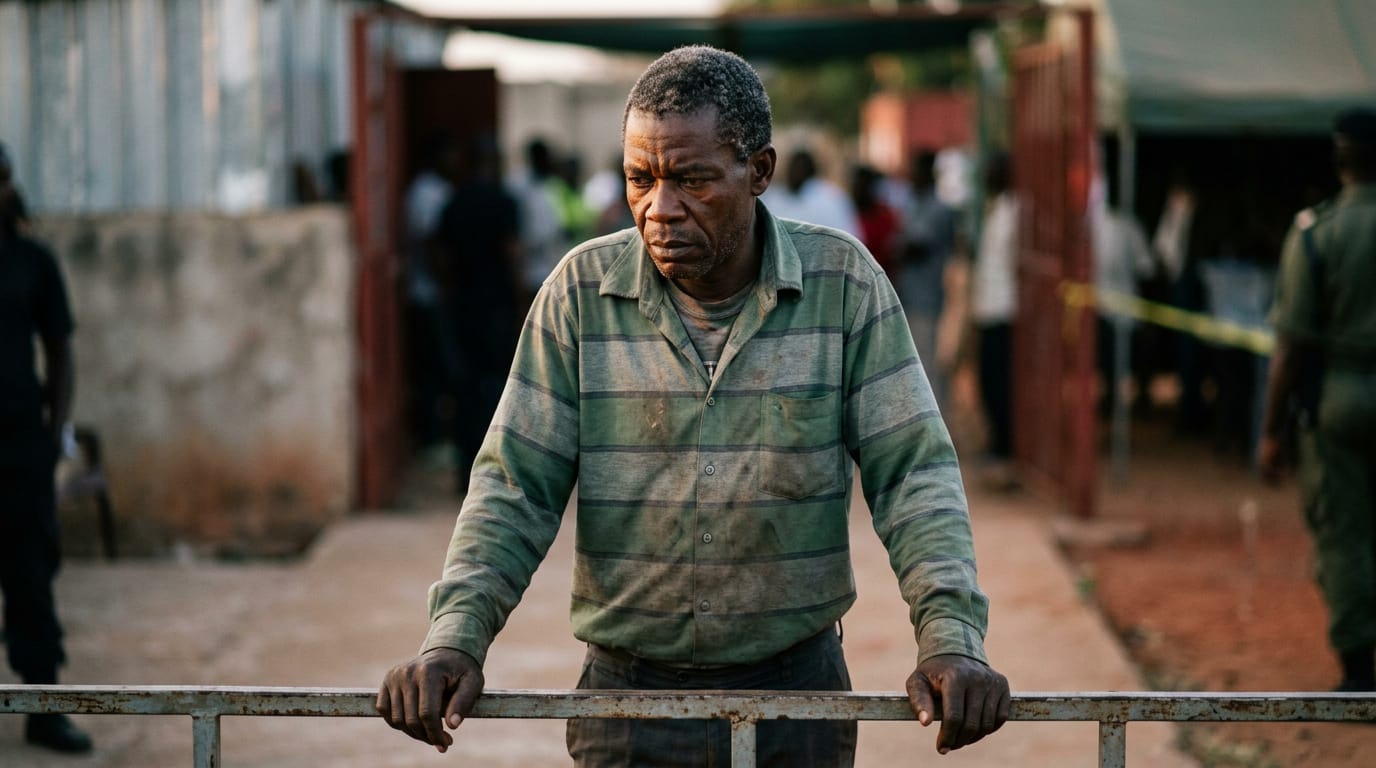
Lusaka, Zambia – Zambia's recent general election, held on August 13, 2026, has concluded with incumbent President Hakainde Hichilema leading the presidential count, yet the electoral process was significantly overshadowed by widespread allegations of irregularities and the dramatic arrests of prominent opposition figures. These developments have cast a long shadow over the nation's democratic integrity, prompting concerns from both local stakeholders and international observers. The Electoral Commission of Zambia (ECZ) faced scrutiny for its handling of the vote, particularly after a temporary suspension of counting, while government authorities defended the arrests as a measure against potential insurrection.
Unsettled Counting Process Fuels Anxiety
The credibility of the electoral process was first seriously tested when the Electoral Commission of Zambia temporarily suspended vote counting on Friday, August 14. This decision, citing violent attacks on electoral staff and the theft of marked ballot papers in isolated parts of the country, triggered widespread anxiety and confusion across the nation. Although counting resumed hours later after the ECZ stated the "security threat" had been contained, the incident sparked concerns about transparency and the potential for interference. EU Chief Observer Michael McNamara highlighted the need for complete transparency as vote tallying proceeded, noting that the pause appeared "disproportionate" given that only a small fraction of polling stations were reportedly affected.
Opposition leader Brian Mundubile, Hichilema's main challenger from the NRPUP party, alleged without immediate evidence that result documents had been tampered with and that officials in the Southern Province were pressured to modify figures. Such claims, while unverified, compounded public apprehension following the ECZ's interruption of the counting process. International observation missions, including those from the European Union (EU), the Southern African Development Community (SADC), and the African Union–Common Market for Eastern and Southern Africa (AU–COMESA), had deployed hundreds of observers across Zambia to monitor the elections, initially noting that polling day was largely peaceful and orderly. However, they later expressed concerns regarding political intimidation, abductions, and localized violence that marred the electoral period.
'Militia' Arrests Target Opposition Figures
Adding a layer of intense controversy to the election aftermath were the arrests of 11 individuals, including six opposition figures, in raids described by the government as targeting "militia activity." The government announced that these individuals were found in possession of "high-grade military weapons, ammunition and other materials for use in armed insurrection," suggesting links to "military plans involving foreign nationals and illegal military training camps." These arrests occurred shortly after the August 13 polling day, escalating political tensions.
The most notable incident involved a raid at the home of opposition candidate Brian Mundubile in Lusaka. Mundubile and his NRPUP party vehemently rejected the government's accusations, branding them "spurious and entirely false." Mundubile claimed shots were fired during the raid, which he characterized as an "assassination attempt." Among those detained was Patrick Mwansa, the son-in-law of former President Edgar Lungu, further amplifying the political implications of the arrests. The government's actions prompted concerns about the narrowing democratic space and the potential for a crackdown on political dissent.
Pre-Election Landscape and Underlying Tensions
The 2026 general election unfolded against a backdrop of significant economic pressures, persistent cost-of-living concerns, and heightened political competition. President Hichilema, seeking a second five-year term, had focused on his administration's economic recovery plan, which included restructuring Zambia's sovereign debt and efforts to curb inflation and stabilize the currency. Despite these measures, critics argue that the economic benefits have yet to reach a significant portion of the population, where widespread poverty remains a critical issue.
The electoral environment itself was marked by concerns even before voting began. International observers pointed to a "constrained democratic space" during the campaign period, citing advantages enjoyed by the incumbent and heavily biased state media coverage. There were also issues raised regarding the perceived independence of the Electoral Commission of Zambia. The ECZ's chairperson, Mwangala Zaloumis, had previously served as President Hichilema's personal lawyer, and other commissioners had known political associations, leading to questions about the commission's impartiality. Furthermore, the "securitisation" of the electoral process, including controversial appointments within the military and increased visibility of security personnel at political events, added to the climate of apprehension. Changes to constituency boundaries, increasing seats from 156 to 226, also drew accusations of gerrymandering and concerns from observer missions regarding voter education.
Echoes of Past Contests and a Challenging Democratic Path
Zambia has a history of competitive elections, including the 2021 general election, which saw a peaceful transfer of power from then-incumbent Edgar Lungu to Hakainde Hichilema, despite initial attempts by Lungu to dispute the results. That election, characterized by high voter turnout, particularly among young people, demonstrated a strong popular desire for democratic expression. However, even in 2021, campaigns were marred by violence and restrictions on opposition activities. The United States embassy in Zambia had warned of potential civil unrest leading up to the August 2026 elections, highlighting that political activity could lead to confrontations and violence.
This historical context underscores the fragility of democratic processes in Zambia. While election day itself was largely peaceful according to some observers, the events surrounding the vote counting and the arrests of opposition figures suggest a regression in certain aspects of democratic practice. The arrests of opposition members, particularly those linked to claims of armed insurrection, evoke a serious threat to the multiparty system, while the integrity of electoral institutions remains a subject of intense debate.
Conclusion: A Nation Divided, A Democracy Tested
As President Hichilema moves closer to officially securing his second term, the Zambian election of 2026 presents a complex picture of democratic ambition and significant challenges. While the country seeks to cement its reputation as a stable democracy in Southern Africa, the alleged irregularities during vote counting and the contentious arrests of opposition figures have undeniably tested public trust and raised serious questions about the fairness of the electoral environment. International bodies have called for calm and adherence to legal processes for resolving disputes, emphasizing the importance of transparency and impartiality. The path forward for Zambia's democracy will likely depend on how these grave concerns are addressed and whether all stakeholders can work towards reinforcing confidence in its electoral and justice systems.