Zelenskyy Urges US and Allies to Maintain Resolve Against Russia Amid Ceasefire Talks
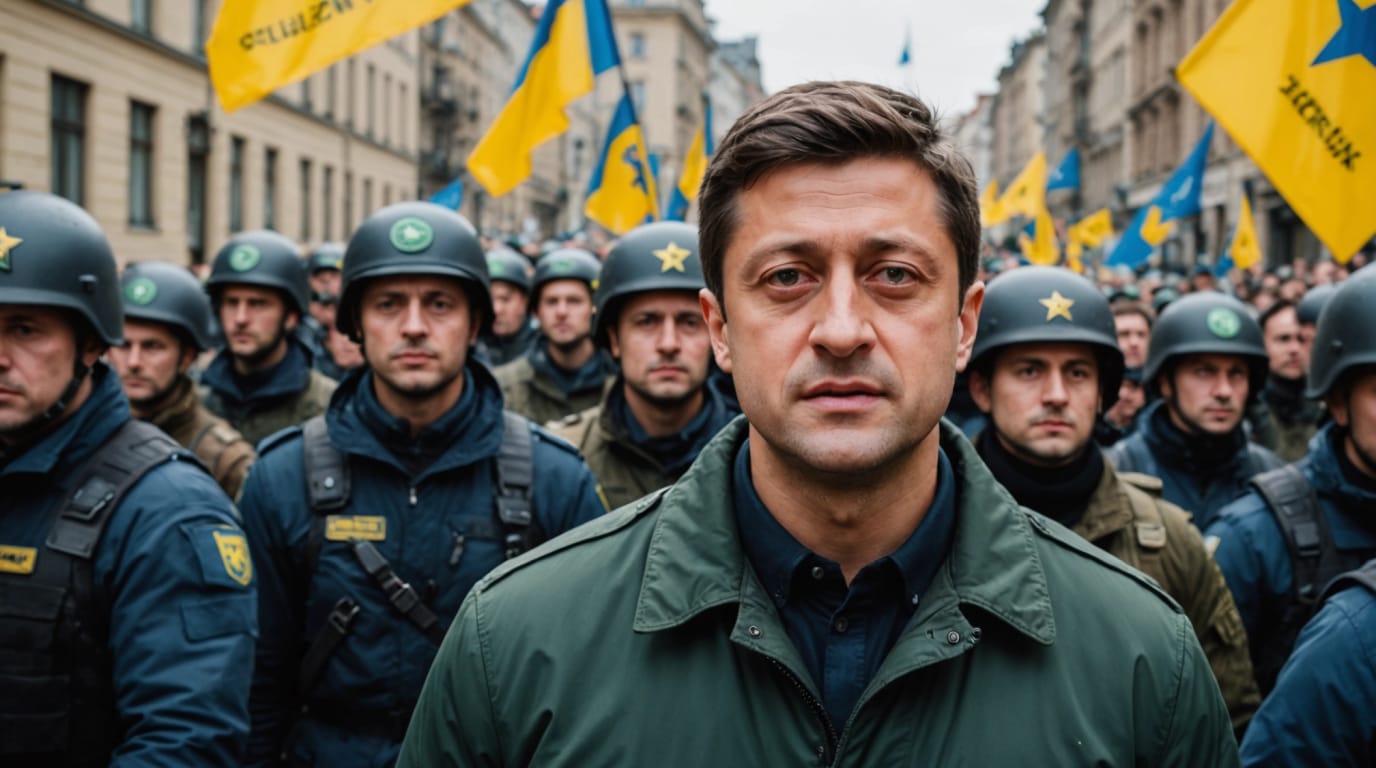
As negotiations for a potential ceasefire in Ukraine continue, President Volodymyr Zelenskyy is calling on the United States and its allies to maintain a strong and unified front against Russia. With a limited truce on the table, Zelenskyy emphasizes the need for sustained pressure on Moscow to ensure any agreement leads to a lasting peace and does not simply allow Russia to regroup.
The plea comes at a critical juncture in the three-year-old conflict, sparked by Russia's full-scale invasion in February 2022. While both Kyiv and Moscow have agreed in principle to a limited ceasefire following discussions spurred by U.S. President Donald Trump, disagreements persist regarding the scope and terms of the truce. These differences highlight the fragility of the situation and the potential for Russia to exploit any perceived weakness or wavering commitment from the West.
Zelenskyy's appeal underscores the delicate balance between pursuing diplomatic solutions and maintaining a firm stance against Russian aggression. He argues that any hesitation or perceived lack of resolve from Ukraine's allies could embolden Moscow, prolong the conflict, and ultimately undermine the prospects for a just and sustainable peace.
The Push for Continued Pressure
In recent statements, Zelenskyy has stressed the importance of increasing pressure on Russia to halt its attacks and adhere to any ceasefire agreement. He specifically pointed to the need for further sanctions and the enforcement of existing ones, particularly concerning Russia's nuclear sector. Zelenskyy believes that only through consistent and unwavering pressure can Russia be compelled to negotiate in good faith and abide by its commitments.
Zelenskyy's concerns are rooted in the history of the conflict and Russia's past actions. He views President Vladimir Putin as an aggressor who will exploit any opportunity to advance his goals. Therefore, Zelenskyy argues that it is crucial for the West to demonstrate its unwavering support for Ukraine and its commitment to upholding international law.
Disagreements Over Ceasefire Terms
While both Ukraine and Russia have expressed willingness to consider a ceasefire, significant disagreements remain regarding the specifics. The White House has stated that the proposed truce would cover "energy and infrastructure," while the Kremlin has offered a narrower interpretation, focusing solely on "energy infrastructure." Zelenskyy has voiced his desire to see railways and ports included in the protected zones, highlighting the importance of these assets for Ukraine's economy and its ability to sustain its defense efforts.
These discrepancies underscore the challenges in reaching a comprehensive and mutually acceptable agreement. They also raise concerns about Russia's intentions and whether it is genuinely committed to de-escalation or simply seeking to gain a tactical advantage.
Trump's Role and US Policy
The involvement of U.S. President Donald Trump in the ceasefire negotiations has added another layer of complexity to the situation. While Trump has expressed optimism about the prospects for a deal, his approach to the conflict has at times diverged from traditional U.S. policy.
Trump's administration has opened channels of communication with Moscow, a move that has rattled some European allies who fear that Washington may be willing to negotiate a settlement that compromises Ukraine's interests. Trump has also faced criticism for his past statements about Zelenskyy, including branding him a "dictator," which have further strained relations between the two leaders.
Despite these challenges, the United States remains a crucial player in the effort to resolve the conflict. Ukraine relies heavily on U.S. financial and military assistance, and Washington's diplomatic influence is essential for bringing all parties to the negotiating table.
The Human Cost of the Conflict
Zelenskyy has repeatedly emphasized the devastating human cost of the war, highlighting the urgent need for a resolution. He has cited recent attacks that have killed civilians, including children, as evidence of Russia's continued disregard for human life.
In a recent video message, Zelenskyy condemned a drone attack on Kyiv that killed three people, including a father and his five-year-old daughter. He also mentioned a strike on the city of Zaporizhzhia that claimed the lives of an entire family. These tragedies serve as a stark reminder of the ongoing suffering and the imperative to find a peaceful solution to the conflict.
Europe's Role and Responsibilities
While the United States plays a critical role in supporting Ukraine, Zelenskyy has also stressed the importance of Europe's involvement. He has urged European leaders to stand strong and remain united in the face of Russian aggression, arguing that Europe has a direct stake in the outcome of the conflict.
Zelenskyy has warned that without continued U.S. assistance, Europe would be vulnerable to Russian expansionism. He has also pointed out that Russia's military capabilities far exceed those of most European nations, highlighting the need for a collective defense strategy.
Looking Ahead
As ceasefire negotiations continue, the path forward remains uncertain. Zelenskyy's calls for continued pressure on Russia reflect a deep-seated concern that Moscow will not abide by any agreement unless it is compelled to do so. The coming weeks and months will be crucial in determining whether a lasting peace can be achieved or whether the conflict will continue to drag on, with devastating consequences for Ukraine and the wider region.
The international community faces a critical test of its resolve. By maintaining a united front and providing unwavering support to Ukraine, the United States and its allies can help to create the conditions for a just and sustainable peace. Failure to do so would not only embolden Russia but also undermine the principles of international law and the rules-based order.