Zimbabwe Grapples with Worsening Drought, Aid Shortages Loom
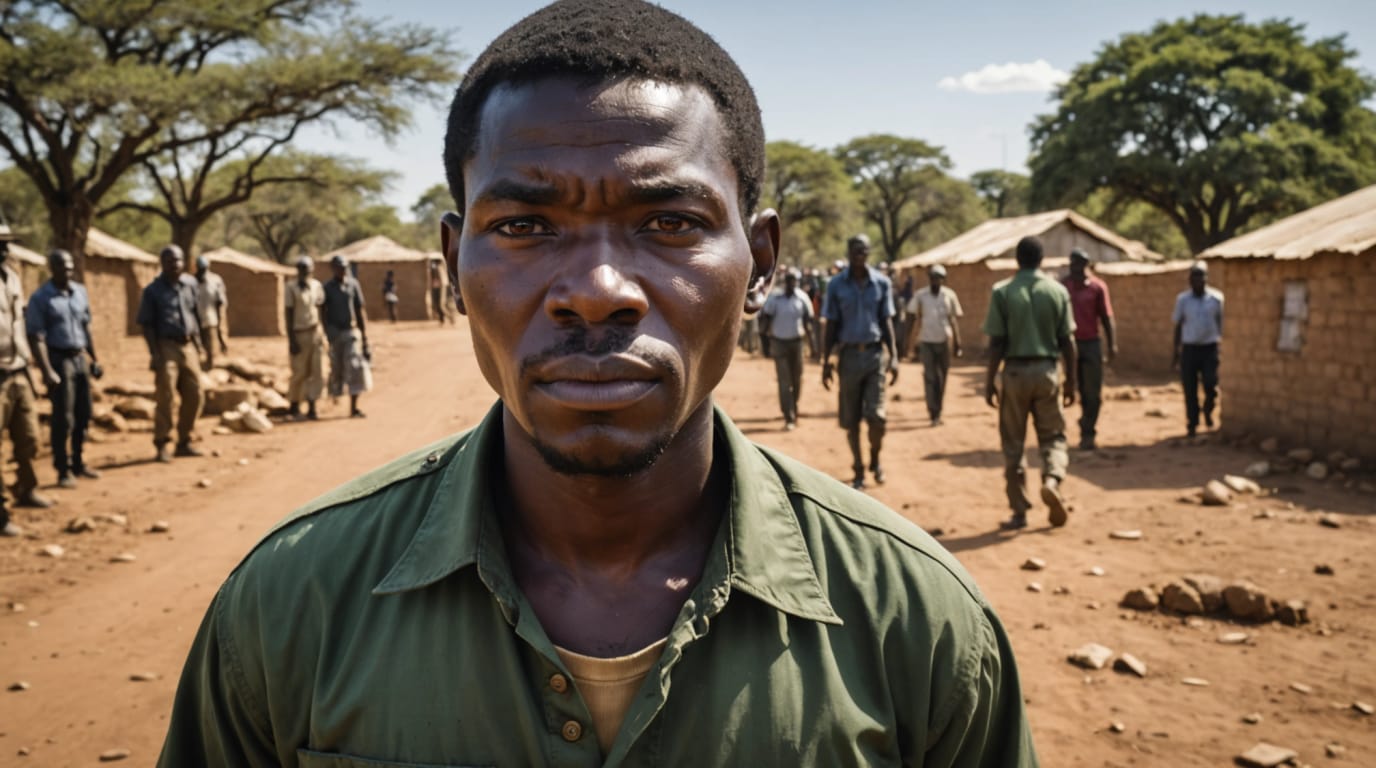
Zimbabwe is facing a severe humanitarian crisis as a devastating El Niño-induced drought tightens its grip on the nation, leaving millions food insecure and exacerbating existing vulnerabilities. The drought, considered the worst in over four decades, has decimated crops, strained water resources, and triggered a surge in needs across multiple sectors, including nutrition, health, education, and sanitation. As the crisis deepens, aid organizations are struggling to meet the escalating demands, raising concerns about the long-term impact on the country's most vulnerable populations.
Millions Face Hunger as Crops Fail
The effects of the El Niño weather pattern have been particularly harsh on Zimbabwe, where a significant portion of the population relies on rain-fed agriculture for their livelihoods. Poor rainfall and prolonged dry spells have led to widespread crop failure, leaving an estimated 7.6 million people, including 3.5 million children, in urgent need of humanitarian assistance. The most severe impacts are expected to be felt during the peak hunger period from January to March 2025.
The drought has not only affected rural communities but has also had a significant impact on urban areas, where high inflation, rising food prices, and fluctuating exchange rates have eroded families' purchasing power. An estimated 1.7 million urban dwellers are now food insecure, highlighting the widespread nature of the crisis. The World Food Programme (WFP) has classified Zimbabwe's food security situation as "serious," noting that factors such as widespread poverty, the prevalence of HIV/AIDS, and recurrent climate-induced shocks contribute to the country's vulnerability.
Humanitarian Needs Surge Across Multiple Sectors
The escalating food insecurity has triggered a surge in humanitarian needs across various sectors. The lack of access to clean water and sanitation has increased the risk of disease outbreaks, including cholera and acute watery diarrhea, particularly in overcrowded urban areas. Children are especially vulnerable, with rising rates of malnutrition and school dropouts reported in drought-affected districts.
The education sector is also facing significant challenges, as many families struggle to afford school fees and children are forced to drop out to help with household chores or seek alternative sources of income. The El Niño event threatens nearly 1.8 million learners across Zimbabwe's 72 education districts, with the most severe impacts to be felt by more than 1.24 million students in 30 most drought-affected districts.
Aid Shortages Hamper Response Efforts
As the humanitarian crisis deepens, aid organizations are struggling to mobilize sufficient resources to meet the growing needs. The overall funding requirement for the drought response from May 2024 to April 2025 is estimated at $429.3 million, with $143.1 million urgently needed to sustain operations from January to April 2025. However, as of early March 2025, the drought appeal faces a substantial shortfall, with only a fraction of the required funds secured.
UNICEF requires $36.5 million to meet humanitarian needs in 38 high-priority districts in Zimbabwe in 2025. These funds are earmarked for critical interventions in health, nutrition, water, sanitation, hygiene (WASH), education, child protection and social protection.
The funding shortfalls are hampering efforts to provide essential life-saving assistance, including food, water, and medical care, to the most vulnerable populations. Aid organizations have been forced to prioritize their interventions, leaving many in need without adequate support.
Government Efforts and Long-Term Strategies
The Zimbabwean government has declared a state of emergency and is appealing for international assistance to address the crisis. The government is also working to strengthen its early warning systems and improve its social protection framework to better respond to emerging risks and vulnerabilities.
In the long term, experts say that Zimbabwe needs to invest in climate-resilient agriculture, diversify its economy, and improve its water management infrastructure to reduce its vulnerability to future droughts. The World Bank emphasizes the need for immediate efforts focusing on strengthening the early warning system and improving the social protection framework to better respond to emerging risks and vulnerabilities.
Coal Use Increase
In response to drought-induced blackouts, Zimbabwe is planning to increase its use of coal and gas to meet its energy needs after the worst drought in decades dried out the water supply to the Kariba South hydropower plant.
Conclusion: A Call for Urgent Action
The drought in Zimbabwe is a stark reminder of the devastating impact of climate change on vulnerable populations. As the crisis deepens, urgent action is needed to provide life-saving assistance to those in need and to build the country's resilience to future shocks. The international community must step up its support for Zimbabwe, providing the necessary financial and technical assistance to address the immediate crisis and to invest in long-term solutions. Failure to do so will have dire consequences for the millions of Zimbabweans who are already struggling to survive.