A Complex Pas de Deux: Unraveling the Turbulent Relationship Between Macron and Trump
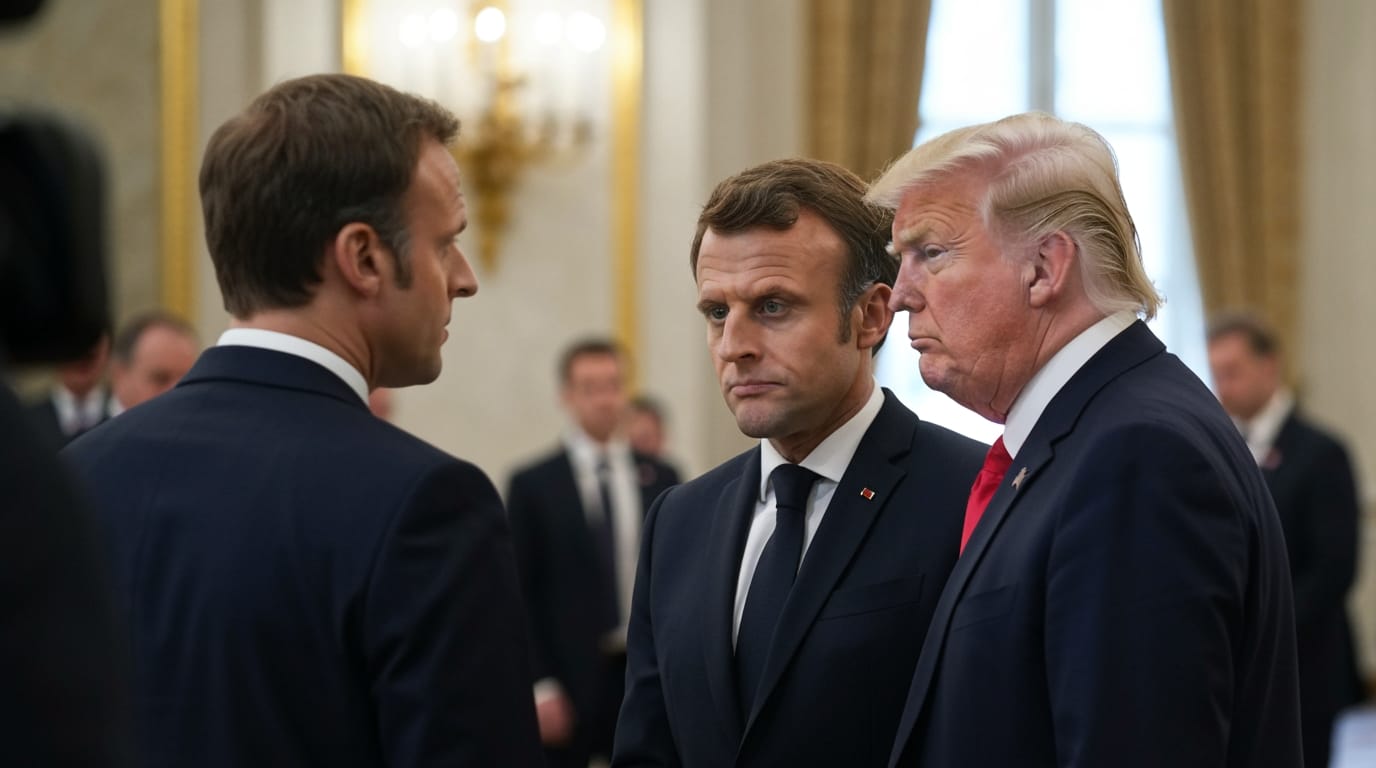
The dynamic between French President Emmanuel Macron and former U.S. President Donald Trump has been a paradox of international diplomacy, characterized by an unusual blend of public camaraderie and profound policy disagreements. Their interactions, frequently under the intense scrutiny of global media, evolved from a perceived "bromance" to overt clashes, ultimately shaping the transatlantic alliance in unprecedented ways. This intricate relationship, marked by a constant push and pull, served as a micro-study of modern geopolitical challenges and the contrasting leadership styles of two highly individualistic world leaders.
The Initial Gambit: Handshakes, Hugs, and High Hopes
Upon their first encounters, a curious rapport quickly developed between the newly elected Macron and then-President Trump. Their initial meetings were marked by famously prolonged and firm handshakes, often analyzed as deliberate power plays. Macron himself described his first handshake with Trump at the 2017 NATO summit as a conscious effort to demonstrate he would not make small concessions, setting a clear tone that he intended to stand his ground. This early display of assertiveness seemingly resonated with Trump, who often appeared to appreciate perceived strength. The peak of this initial warmth arrived with Trump's invitation to Paris for the Bastille Day celebrations in July 2017. The event, featuring a grand military parade, was widely seen as a diplomatic triumph for Macron, allowing Trump to enhance his international standing amidst domestic controversies. Photos and videos from these early interactions frequently captured what appeared to be genuine, albeit sometimes awkward, displays of affection, including back pats and close physical proximity, leading many to label it a "bromance".
Policy Fault Lines Emerge: Climate, Iran, and Trade Wars
Beneath the surface of public gestures, fundamental ideological and policy differences quickly surfaced, challenging the facade of a harmonious relationship. One of the most significant points of contention was the Paris Climate Agreement. Soon after their initial meetings, Trump announced the U.S. withdrawal from the accord, a move Macron swiftly and publicly denounced as an "historic error". In a striking retort, Macron adapted Trump's own campaign slogan, declaring, "Make our planet great again," and invited U.S. climate scientists and entrepreneurs to France, directly challenging the American stance. This marked a clear divergence on a critical global issue.
The Iran nuclear deal (Joint Comprehensive Plan of Action, JCPOA) also proved to be a persistent source of friction. While Macron sought to protect the agreement, viewing it as essential for regional stability, Trump was consistently skeptical of its effectiveness and ultimately withdrew the U.S. from it. Trade disputes further strained relations, with Trump imposing tariffs on European goods, including steel and aluminum, prompting threats of retaliation from the European Union. Macron consistently advocated for a multilateral approach to global challenges, standing in stark contrast to Trump's "America First" unilateralism, which led to rising trade tensions and a more volatile transatlantic dynamic.
The Art of Diplomatic Push and Pull: Public Display and Private Maneuvering
The relationship was often characterized by a unique form of "body language diplomacy," where non-verbal cues became as scrutinized as official statements. The highly theatrical handshakes, often resembling "arm wrestling" for dominance, became iconic symbols of their power dynamic. Instances like Trump brushing what he called "a little piece of dandruff" off Macron's jacket, or Macron's strategic thigh touch during a conversation, were widely interpreted as subtle assertions of control or attempts to build rapport. These public displays often masked a more complex strategy by Macron, who consistently sought to engage Trump directly, even when it meant navigating unconventional diplomatic channels. French officials frequently defended Macron's approach, noting that the two leaders often exchanged impromptu calls and texts outside formal diplomatic protocols. This direct line of communication was evident when Trump publicly revealed a private text message from Macron, beginning with "My friend," discussing issues like Syria, Iran, and the contentious topic of Greenland. Such disclosures, while unconventional, highlighted Macron's continuous efforts to maintain a dialogue and exert influence, even if it meant risking diplomatic norms.
Reshaping Transatlantic Ties: European Autonomy and Global Challenges
The turbulent Macron-Trump relationship had significant implications for the broader transatlantic alliance and for Europe's quest for greater strategic autonomy. Trump's "America First" agenda, including his skepticism towards NATO and his criticism of European defense spending, prompted Macron to advocate strongly for a more unified and self-reliant Europe. This push for European independence was framed as a necessary response to a perceived weakening of traditional alliances and a changing global order. Macron argued that Europe needed to "think for itself" and invest more in its own defense industry, rather than solely relying on the United States.
More recently, particularly in the context of global events like the war in Ukraine, Macron has continued to engage with Trump, even following Trump's re-election, emphasizing France's role as a "solid ally" while urging European nations to fortify their unity. Discussions between them have touched upon the future of Ukraine, with Macron advocating for a "solid peace" that includes sovereignty and security guarantees, distinguishing his stance from Trump's desire for a swift ceasefire. The relationship underscored a fundamental shift, where Europe increasingly recognized the need to recalibrate its partnership with the U.S., accepting that the transatlantic bond could no longer be taken for granted.
A Pragmatic Partnership Forged in Contradiction
Ultimately, the relationship between Emmanuel Macron and Donald Trump was a unique and often contradictory exercise in modern diplomacy. It showcased a leader, Macron, who embraced direct engagement and personal connection as a tool to navigate profound ideological differences with an unpredictable counterpart. From the initial "honeymoon" marked by intense handshakes and symbolic gestures to the later clashes over global agreements and trade, their dynamic was a constant negotiation between cooperation and contention. While often challenging and publicly fraught, Macron's strategic engagement aimed to mitigate the impact of Trump's policies on European interests and maintain a channel for dialogue. Their complex interplay left an indelible mark on transatlantic relations, underscoring the enduring significance of personal diplomacy even amidst the sharpest of geopolitical divides and reinforcing Europe's imperative to forge a more independent global role.


