Former Television Journalist Crowned King of Uganda's Tooro Kingdom
A veteran broadcaster assumed leadership of an ancient cultural monarchy following a royal clan decision that bypassed claims by the late monarch's immediate family.
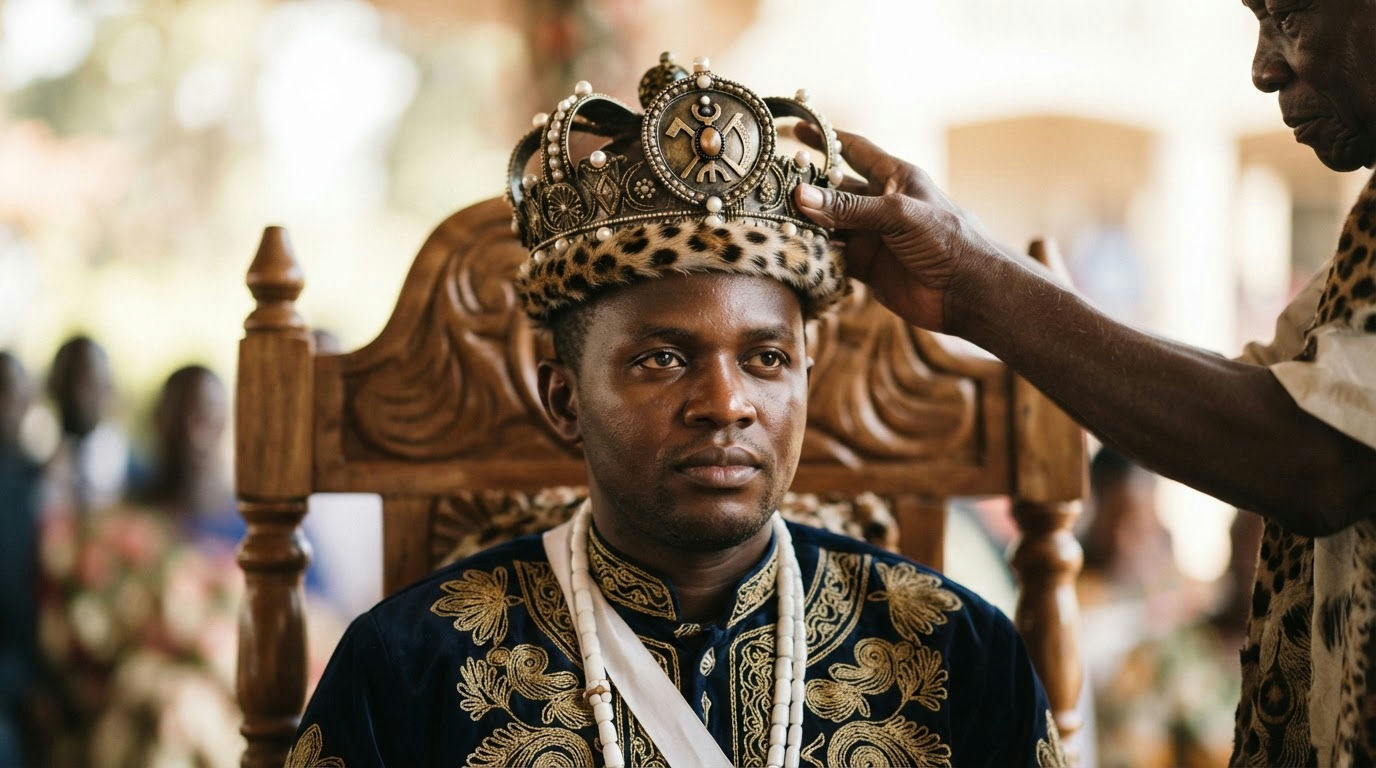
Television journalist Edward Rukidi Kijanangoma was crowned king of Uganda's Tooro Kingdom on Tuesday in Fort Portal, succeeding King Oyo Nyimba Kabamba Iguru Rukidi IV after a succession dispute.
Kijanangoma performed traditional rituals overnight before appearing publicly at the palace. Thousands of residents attended the coronation ceremonies in the western Ugandan town near the border with the Democratic Republic of the Congo. Ugandan President Yoweri Museveni addressed the gathering, urging traditional leaders to preserve and promote local indigenous languages.
The new monarch worked for years as a news presenter and editor for the state-run Uganda Broadcasting Corporation. He had also previously worked in television news in neighboring Rwanda. The 56-year-old prince is a cousin of the late monarch and a grandson of former King Sir George David Rukidi III.
King Oyo died on August 27 in the United States while undergoing cancer treatment. Oyo had gained international attention in 1995 when he ascended the throne at age 3, earning recognition as the youngest reigning monarch in the world. He was buried on September 12 at the Karambi Royal Tombs in Fort Portal.
The accession follows disagreement within the royal family over the succession line. The late king's mother, Queen Mother Best Kemigisa, and his sister, Princess Ruth Komuntale, opposed the selection of Kijanangoma. They said King Oyo left a written will designating his young biological son as the rightful heir.
Clan elders from the ruling Babiito lineage rejected the family's claim. They stated that customary tradition requires the ruling clan to oversee succession. The elders explained that King Oyo had never formally presented the child to the kingdom through established cultural processes.
Uganda abolished traditional monarchies in the 1960s following independence from Britain. The government reinstated them in 1993 strictly as cultural institutions. Under Ugandan law, monarchs hold no formal governmental power and may not participate in partisan politics. They retain influence over local customs, land assets, and community initiatives.
During his first royal address, Kijanangoma pledged to unite the Batooro people and strengthen communal harmony following the transition.