A Forgotten Foe: Measles Resurges in the U.S. as Vaccination Rates Decline

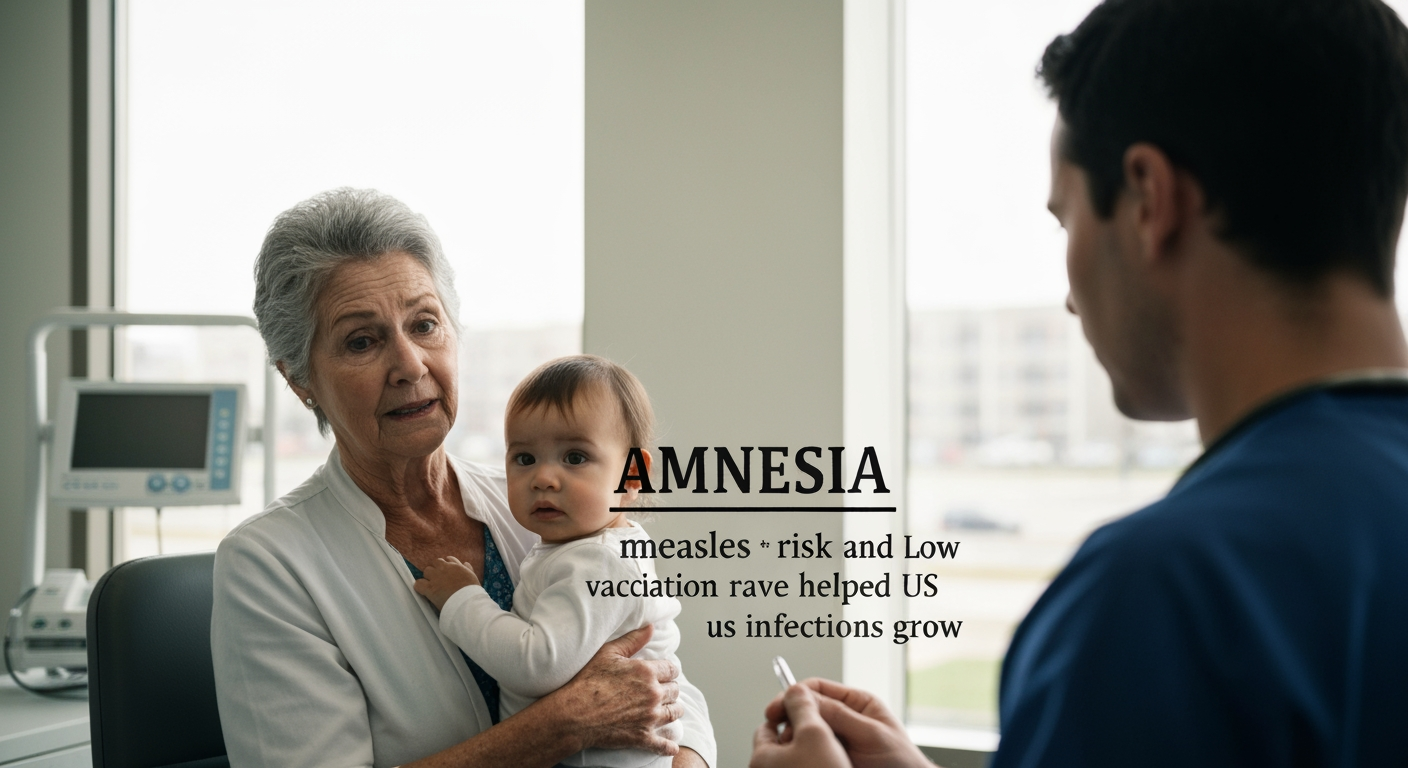
The United States finds itself grappling with a disturbing resurgence of measles, a disease once declared eliminated due to widespread vaccination efforts. Public health officials and medical experts attribute this alarming comeback to a collective "amnesia" regarding the severe dangers of measles and a concerning decline in childhood vaccination rates. What was once a near-eradicated threat is now demonstrating its highly contagious nature, jeopardizing community immunity and placing vulnerable populations at significant risk across the nation. The year 2026 has already marked the worst for measles in 35 years, with cases surpassing the total for all of 2025, underscoring the urgency of the crisis.
The Vanishing Threat: A Triumph of Public Health and its Unintended Consequence
Before the introduction of the measles vaccine in 1963, measles was a common and often devastating childhood illness. Annually, an estimated 3 to 4 million people in the U.S. contracted the virus, leading to approximately 400 to 500 deaths, 48,000 hospitalizations, and 1,000 cases of encephalitis, a dangerous swelling of the brain. Measles is a highly contagious respiratory disease, capable of spreading easily through coughing and sneezing, with the virus remaining active and infectious in the air for up to two hours after an infected person leaves a room. In unvaccinated populations, one infected individual can transmit the disease to 12 to 18 others.
The development of the measles vaccine, followed by the combined measles, mumps, and rubella (MMR) vaccine in 1971, marked a monumental achievement in public health. Through widespread vaccination campaigns, the incidence of measles plummeted by over 99%, leading the World Health Organization (WHO) to declare measles eliminated from the United States in 2000, meaning continuous transmission within the country had ceased. This success, however, inadvertently sowed the seeds of complacency. As the visible threat of measles faded, a societal "amnesia" about its severe complications and widespread impact began to take hold. Generations grew up without witnessing firsthand the devastating effects of the disease, leading some to view it as relatively harmless.
The Erosion of Immunity: Declining Vaccination Rates Fuel Resurgence
The tranquility of measles elimination has been shattered in recent years, primarily due to declining vaccination rates. The recommended two doses of the MMR vaccine are about 97% effective at preventing measles, providing long-term, and potentially lifelong, immunity. However, kindergarten coverage with the MMR vaccine nationally fell from 95.2% in the 2019-2020 school year to 92.7% in 2023-2024, leaving an estimated 280,000 children susceptible. This decline, which began before the COVID-19 pandemic and was exacerbated by it, has created dangerous gaps in community protection.
The reasons for this erosion of immunity are multifaceted. Vaccine hesitancy, fueled by misinformation, distrust, and evolving public health landscapes, has played a significant role. Persistent, yet unequivocally disproven, claims linking the MMR vaccine to autism remain a frequently cited reason for refusal in parent surveys. Public figures and a growing politicization of public health have also contributed to confusion and skepticism. Furthermore, some states have seen legislation that relaxes childhood vaccine requirements or allows for more non-medical exemptions, further weakening the collective shield of herd immunity.
Outbreaks and Their Grim Reality: Measles Is Not a Benign Illness
The consequences of declining vaccination rates are becoming starkly apparent through a series of increasing outbreaks. Major measles outbreaks have occurred in the U.S. in 2014-2015, 2019, and most notably in 2025-2026. In 2025, the U.S. reported 2,267 measles cases, the highest annual count in over three decades. By July 2025, confirmed cases surged to 1,319 across 40 jurisdictions, a 4.5-fold increase compared to the entirety of 2024, with 92% of cases tied to outbreaks. The 2025 outbreak saw the first measles-related deaths in the U.S. since 2015, with three fatalities reported in unvaccinated individuals.
These statistics represent a grave reality: measles is far from a benign childhood illness. About 1 in 5 unvaccinated people in the U.S. who contract measles are hospitalized. Serious complications include pneumonia, affecting as many as 1 in 20 children, and encephalitis, which occurs in about 1 in 1,000 children and can lead to convulsions, deafness, or intellectual disability. Tragically, 1 to 3 out of every 1,000 people with measles will die, even with modern medical care. Beyond immediate acute illness, measles also has a insidious effect known as "immune amnesia," where the virus can wipe out the immune system's memory of previous infections, leaving individuals vulnerable to other diseases for weeks or even months.
The Economic and Societal Burden of Resurgence
The resurgence of measles carries substantial public health and economic repercussions. Experts warn that even modest reductions in vaccine coverage can profoundly impact population-level immunity, especially for a highly transmissible disease like measles. The threshold for herd immunity against measles is approximately 95% of the population being vaccinated. When vaccination rates fall below this critical level, communities become susceptible to widespread outbreaks when the virus is reintroduced.
The financial burden of these outbreaks is considerable. Researchers estimate that a 1% absolute annual reduction in MMR coverage could lead to about 17,000 cases, 4,000 hospitalizations, and 36 preventable deaths annually from 2026-2030, with annual costs projected to reach $1.5 billion. This includes direct medical costs, significant public health outbreak response expenditures, and substantial losses in productivity and missed work. The potential for broad social disruptions, such as school closures and strains on healthcare systems, further amplifies the impact.
A Call to Reawaken: Protecting Public Health for the Future
The return of measles to the forefront of public health concerns in the United States serves as a critical reminder of the fragility of disease elimination in the face of declining vaccination rates and pervasive misinformation. The success of vaccines in eradicating once-common diseases has inadvertently fostered an "amnesia" about their severe consequences. However, the current outbreaks underscore that measles remains a dangerous, highly contagious disease with the potential for severe complications and death, especially for the very young, the elderly, pregnant women, and those with compromised immune systems.
Reversing this concerning trend requires a concerted effort to rebuild trust in public health institutions and medical science, combat misinformation, and reinforce the critical importance of vaccination. Maintaining high vaccination rates is not merely an individual choice but a collective responsibility essential to protecting the most vulnerable members of society and preserving the herd immunity that safeguards communities. The lessons of the past, etched by the suffering caused by preventable diseases, must be remembered and acted upon to secure a healthier future for all.
Related Articles


Skull Bone Marrow Reveals Hidden 'Immune Hubs,' Reshaping Brain Defense Paradigm
ST. LOUIS, MO – In a discovery poised to fundamentally alter our understanding of brain immunity, scientists at Washington University School of Medicine in St. Louis have identified previously unrecognized lymph...


Unpacking the Link: How Dietary Fats Influence Colorectal Cancer Risk
Colorectal cancer, a significant global health concern, is increasingly linked to modern dietary habits, with particular attention turning to the role of fatty foods. While the relationship is complex and nuanced,...