A Silent Crisis: Pregnant Women Bear the Brunt of Lebanon's War
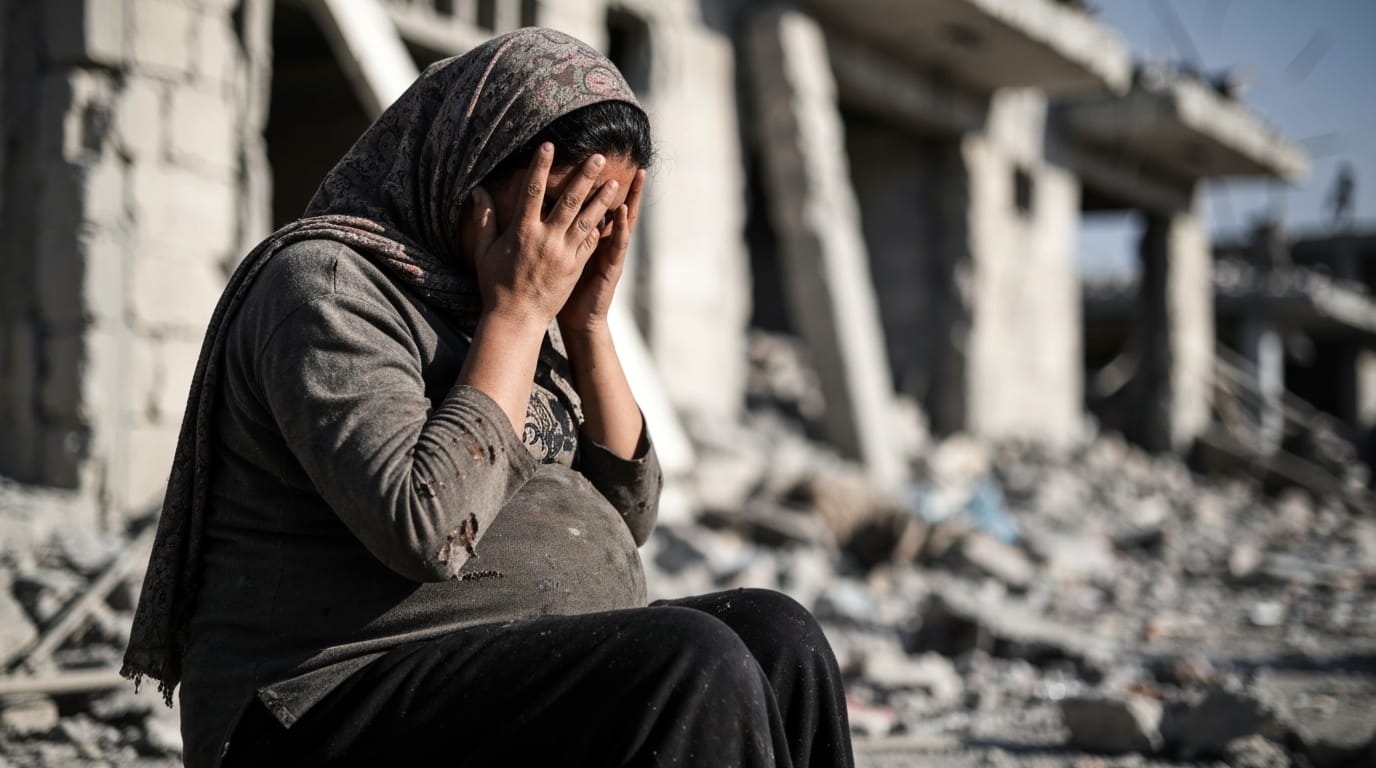
Beirut, Lebanon – As conflict continues to convulse Lebanon, an often-overlooked tragedy unfolds in the shadows of airstrikes and displacement: the dire plight of pregnant women. Thousands of expectant mothers find themselves trapped in a humanitarian crisis, facing a collapse of healthcare infrastructure, unsanitary living conditions, and profound psychological distress, all of which elevate the risks of miscarriage, premature birth, and maternal mortality. Their struggle underscores a critical humanitarian emergency demanding immediate international attention and comprehensive support.
The escalating hostilities, marked by ongoing airstrikes and rocket fire, have dramatically worsened conditions across Lebanon, particularly in the south, Beirut, Mount Lebanon, and the Bekaa Valley. The conflict has triggered mass displacement, forcing over a million people from their homes, with pregnant women disproportionately affected by the chaos. Estimates from various United Nations agencies indicate that between 11,000 and nearly 14,000 pregnant women have been impacted, with thousands anticipated to give birth in the coming months under extremely precarious circumstances. Many of these women have been severed from essential health services, leading to instances of childbirth in dangerous, undignified conditions, including by the roadside.
Healthcare Infrastructure Crumbles Under Pressure
Lebanon's healthcare system, already strained before the current crisis, has been pushed to the brink. The United Nations Population Fund (UNFPA) reports that 55 hospitals and clinics have been forced to close due to direct damage or their location within mass evacuation zones. Additionally, an estimated 100 primary healthcare centers and dispensaries have ceased operations. This widespread closure has severely limited access to emergency obstetric care and other crucial health services when they are most needed. Displaced pregnant women often find themselves cut off from their regular doctors, leading to anxieties and complications. Hawraa Houmani, a 29-year-old in her ninth month of pregnancy, was forced to flee her village near Nabatieh and seek refuge in a Beirut school. Despite her advanced pregnancy, a hospital initially refused her a pre-delivery check-up, highlighting the barriers to care.
The lack of consistent prenatal check-ups, supervision, and access to essential medications and supplements significantly increases the risk of maternal complications such as preeclampsia, gestational diabetes, and infections. Healthcare professionals are observing a worrying rise in cases of preterm labor and miscarriages. Dr. Georges Yared, head of general obstetrics and gynecology at the Lebanese American University's Rizk Hospital in Beirut, noted an increase in all pregnancy complications, including rare ones, since the conflict's escalation. Moreover, the concussive force from bomb blasts, even at a distance, has been cited by obstetricians as a cause for premature labor and early miscarriages, demonstrating the direct physical danger of the conflict.
Life in Overcrowded Shelters: A Den of Health Risks
For thousands of displaced pregnant women, overcrowded shelters, often in schools, have become their grim reality. These temporary dwellings present a host of severe health and safety concerns. Lack of privacy, scarce and potentially contaminated water supplies, and inadequate sanitation facilities are rampant. Women and girls are at heightened risk of infections, with reports of "yellow" and scarce water discouraging basic hygiene practices, particularly impacting menstruating individuals. The World Health Organization has raised alarms about the increased risk of infectious diseases spreading due to poor water and sanitation in these environments.
Beyond physical health, the psychological toll on expectant mothers is immense. The constant fear of violence, the trauma of displacement, and the uncertainty of their future contribute to extreme stress, anxiety, panic attacks, and elevated risks of postpartum depression. Midwives supporting these women report them being tired and distressed, having endured harrowing journeys under missile fire. The loss of social support networks, which are crucial during pregnancy, further exacerbates their vulnerability. In one heartbreaking account, Soumaia, five months pregnant and displaced from Lebanon to Syria, experienced a stillbirth in a shelter, highlighting the devastating consequences of the crisis on maternal and fetal well-being. The emotional burden extends to newborns, with mothers in shelters worrying about cleanliness, breastfeeding, and their infants' health in unsanitary conditions.
Humanitarian Efforts and Persistent Gaps
International and local organizations are working tirelessly to address the escalating needs. The UNFPA is supporting maternal health services at 30 hospitals across Lebanon, covering procedure costs and providing essential medicines and supplies for safe deliveries and emergency obstetric care. They are also deploying medical mobile units to shelters for needs assessments, basic healthcare services, and referrals. Anera, with support from Direct Relief, has donated midwife kits containing essential tools for safe deliveries and postnatal care, aiming to equip healthcare workers in the conflict zones. Medical Aid for Palestinians (MAP) is also providing crucial support, particularly to Palestinian refugees, offering check-ups, emotional support, and dispelling pregnancy myths.
Despite these efforts, significant gaps remain. The sheer scale of displacement, coupled with the destruction of infrastructure and ongoing hostilities, poses immense challenges to humanitarian operations. UN agencies continue to call for urgent funding and safe humanitarian access to safeguard the health and dignity of women and girls in Lebanon. The international community's sustained commitment is vital to ensure that these vulnerable mothers and their newborns receive the protection, medical care, and humane conditions they desperately need.
The crisis facing pregnant women in Lebanon is a stark reminder of how conflict disproportionately impacts the most vulnerable members of society. Their struggle for safe pregnancy and childbirth amid the chaos of war demands not only empathy but also concrete, coordinated action to prevent further preventable suffering and loss of life. Until peace is restored, protecting these mothers and their children must remain at the forefront of the humanitarian agenda.