Middle East Tensions Ignite Crisis, Reshaping Africa's Aviation Landscape
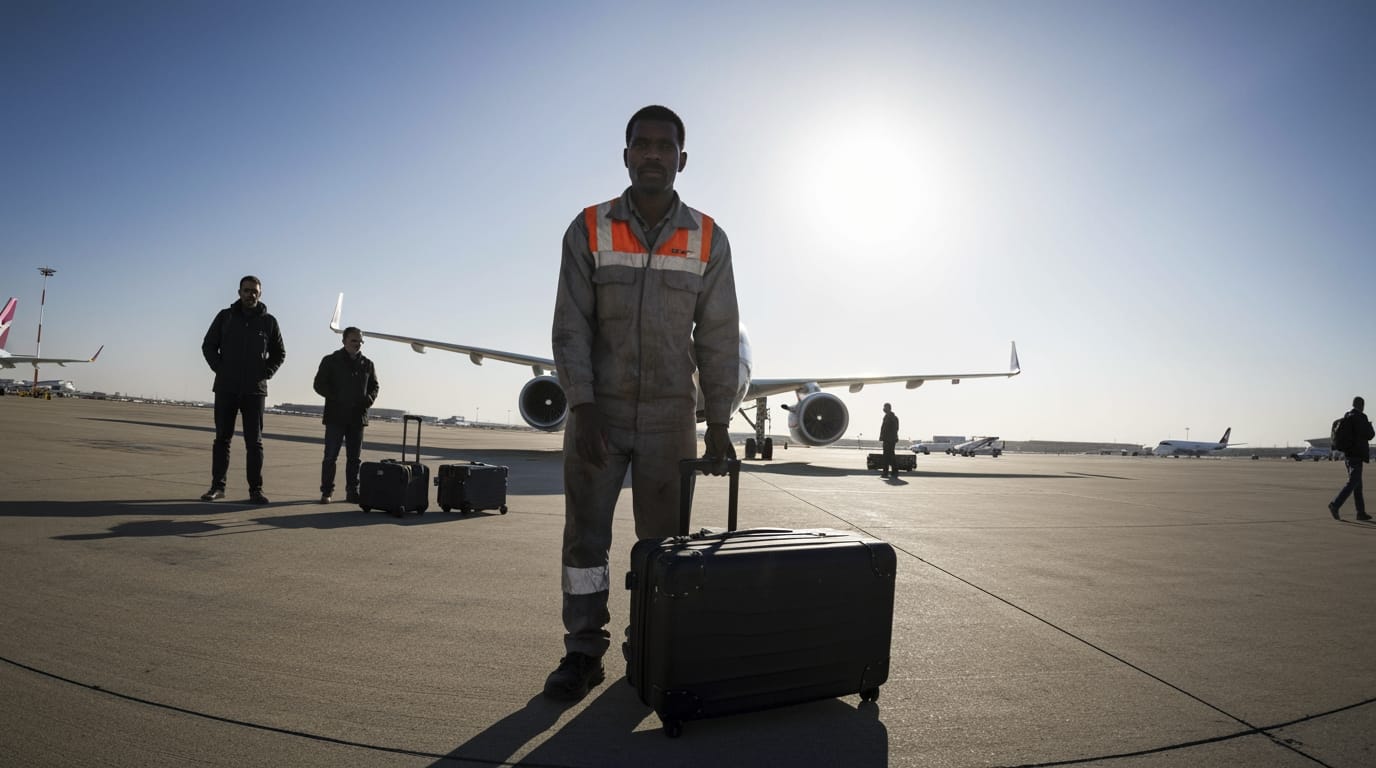
Africa's aviation sector is navigating turbulent skies, grappling with profound disruptions stemming from escalating geopolitical tensions in the Middle East. While not a direct "Iran war" in the traditional sense, the ongoing conflict involving Iran and its regional adversaries, particularly the crisis in the Red Sea and near the Strait of Hormuz, has sent shockwaves across global supply chains and air corridors. This instability has led to a dual challenge for African airlines: unprecedented surges in jet fuel prices and widespread airspace closures, forcing costly rerouting and impacting international connectivity, trade, and even creating unexpected opportunities for some nations.
Fuel Costs Soar, Threatening African Carriers
The most immediate and severe impact on Africa's aviation sector is the dramatic rise in jet fuel costs. The Strait of Hormuz, a critical maritime chokepoint, facilitates approximately 70% of Africa's refined jet fuel supply. Disruptions in this region have tightened supply and triggered sharp price increases. South Africa, for instance, witnessed jet fuel prices climb by as much as 70% in a single week. This surge is particularly debilitating for African airlines, where fuel already accounts for 30% to 55% of operating costs, significantly higher than the global average of 20% to 25%.
The financial strain is immense. Aliko Dangote, Africa's wealthiest man, issued a stark warning that soaring oil prices, linked to tensions around the Strait of Hormuz, could cripple African airlines, with many unlikely to survive the current spike in fuel costs. Nigerian carriers, for example, have seen jet fuel prices escalate by nearly 300%, prompting the Airline Operators of Nigeria to threaten a suspension of all flight operations unless prices are reduced to sustainable levels. Even modest price increases can rapidly erode profitability for these carriers, which operate on typically thinner margins than their international counterparts. This situation forces airlines to introduce surcharges and adjust fares, ultimately passing on higher costs to passengers and potentially reducing demand.
Airspace Closures and Rerouting: A Navigational Nightmare
Beyond the financial hit from fuel, African airlines are facing significant operational challenges due to widespread airspace closures across key Gulf states. These closures disrupt crucial aviation corridors linking Africa to Asia and Europe, forcing airlines to undertake lengthy and costly reroutes. These diversions add hours to journey times, consuming substantially more fuel and further inflating operational expenses. Globally, thousands of flights have been canceled or diverted, with some even forced to turn back mid-flight due to sudden airspace closures and security threats.
Ethiopian Airlines, one of Africa's largest carriers, has been among the hardest hit, suspending flights to multiple Middle East destinations and canceling over 100 weekly flights, impacting approximately 50,000 passengers and critical cargo flows. This resulted in an estimated $135 million in lost revenue within the first week of the conflict, according to one report. Other major African airlines, including Kenya Airways, RwandAir, and Air Tanzania, have also been compelled to adjust operations, suspending or reducing services on key Gulf routes like Dubai, a vital connecting hub. The unpredictability of these closures further complicates route planning and operational efficiency, reducing the effectiveness of operations across many international carriers.
Broadening Impact: Trade and Tourism Under Pressure
The turbulence in the aviation sector extends its reach far beyond airline balance sheets, affecting vital export industries and tourism across the continent. Air travel disruptions directly impact cargo operations, which are critical for time-sensitive goods. Kenya's tea, meat, and flower exports to the Gulf region, for instance, have suffered millions of dollars in losses due to cut air routes and increased shipping costs. Cargo vessels laden with Kenyan goods have found themselves in limbo, and shipping costs for some exports have doubled. This exposes the vulnerability of African economies that rely on efficient air cargo links for their export revenues.
Furthermore, the perceived instability in the Middle East has cast a shadow over tourism in some African countries. Egypt, a significant tourism destination, has experienced booking cancellations due to safety concerns and the rising cost of flights. While official figures suggested a relatively low cancellation rate, anecdotal evidence from local tour operators points to a more substantial decline in bookings and hotel occupancy rates. This highlights how geopolitical events, even if geographically distant, can impact global travel perceptions and economic sectors reliant on tourism.
Unforeseen Opportunities and Shifting Dynamics
Despite the pervasive challenges, the crisis has also inadvertently created new avenues and opportunities for certain African economies and airlines. With major Gulf airspace constrained by security risks, some African aviation hubs are emerging as alternative transit points. Addis Ababa, home to Ethiopian Airlines, has capitalized on the disruption, seeing a 14% increase in cargo revenues as electronics, pharmaceuticals, and perishable goods are redirected through Bole International Airport. The African Airlines Association (AFRAA) noted that African hubs like Addis Ababa, Nairobi, and Johannesburg could strengthen their connectivity between Africa, Asia, and Europe as airlines seek to bypass disrupted Middle Eastern airspaces.
Beyond aviation, the rerouting of global shipping to avoid the Red Sea and Strait of Hormuz has benefited several African ports. Kenya's Lamu port, previously underutilized, has recorded a staggering 974% increase in cargo volumes as ultra-large vessels opt for routes around the Cape of Good Hope. Ports in Southern Africa, such as Durban and Walvis Bay (Namibia), have also seen increased bunkering demand and improved efficiency as they handle rerouted maritime traffic. This unexpected reshuffling of global logistics routes underscores Africa's growing strategic importance in international trade, albeit driven by crisis.
Navigating a Volatile Future
The ongoing geopolitical tensions in the Middle East have undeniable and multifaceted implications for Africa's aviation sector. While presenting significant headwinds in the form of soaring operational costs, disrupted routes, and threats to trade and tourism, the crisis also underscores the continent's potential to adapt and leverage its strategic geographic position. The resilience of African airlines and supporting infrastructure will be tested as they navigate this volatile environment, requiring strategic adjustments, potentially greater regional cooperation, and a re-evaluation of long-term energy and logistics dependencies. The ultimate trajectory of Africa's aviation future will hinge on its ability to mitigate current challenges while harnessing emerging opportunities in a rapidly evolving global landscape.


