The Iron Will for Peace: How Strength Defines Israel's Path to Stability
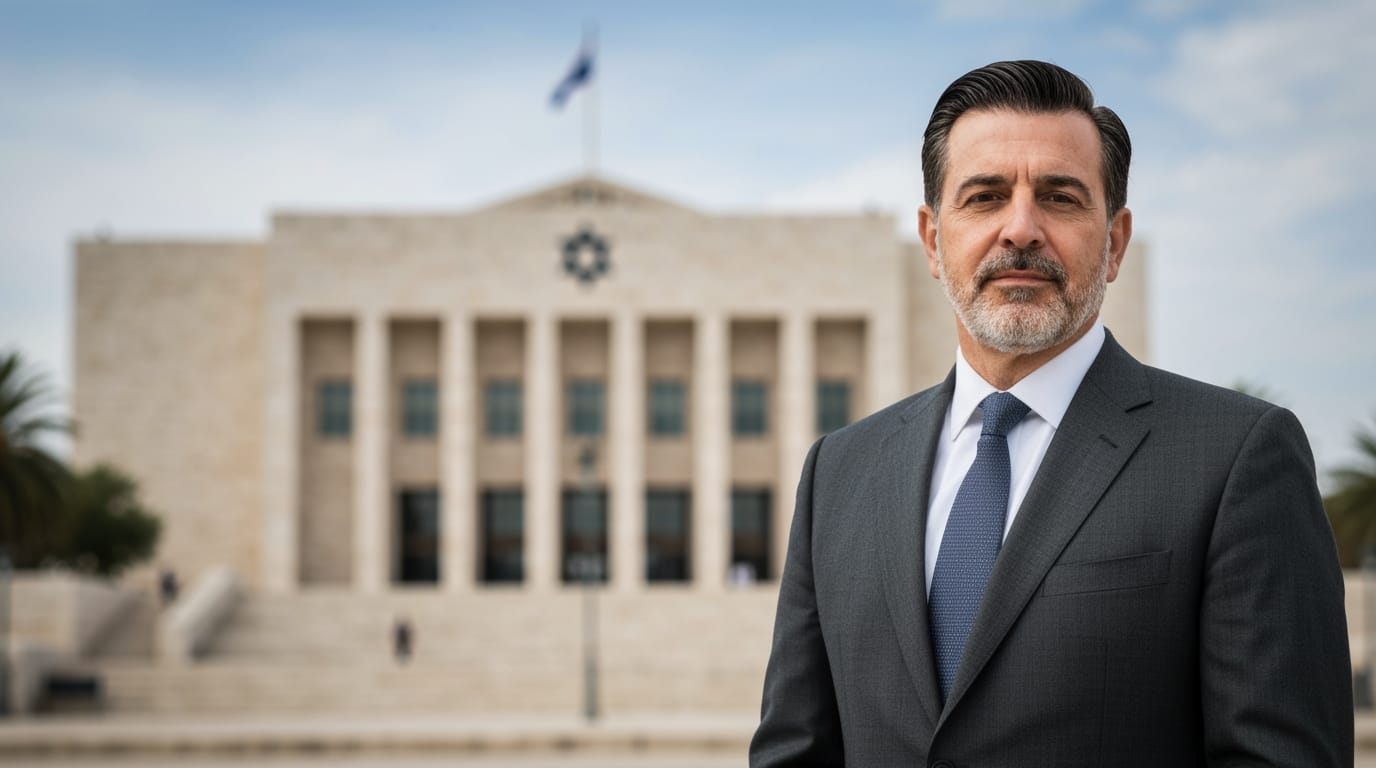
In an increasingly volatile Middle East, a recurring theme from Israeli diplomats underscores a foundational belief: only a strong Israel can secure lasting peace. This perspective, articulated by various Israeli ambassadors, reflects a deep-seated national security doctrine that has guided the nation since its founding. It posits that a robust military, intelligence superiority, economic resilience, and strategic diplomatic alliances are not merely tools for defense but prerequisites for achieving stability and fostering genuine agreements in a challenging geopolitical landscape.
This core philosophy, often termed "peace through strength," has been a consistent thread in Israel's national discourse and foreign policy, particularly gaining renewed emphasis in the wake of recent conflicts. It suggests that a position of unwavering strength commands respect, deters adversaries, and ultimately creates the necessary conditions for diplomatic breakthroughs. For many within Israel, this approach is not aggressive but a pragmatic response to persistent threats, ensuring the nation's survival and its ability to negotiate from a position of security rather than vulnerability.
An Enduring Doctrine Forged in Conflict
Since its establishment in 1948, Israel's national security doctrine has been rooted in military strength and a pragmatic approach to diplomacy. The young nation faced immediate and continuous existential threats, compelling it to prioritize self-reliance and develop formidable defense capabilities. This historical context shaped a belief system where the ability to deter aggression and defend borders was seen as paramount to its very existence and any future prospect of peace. Over decades, Israel engaged in numerous conflicts, launched preemptive strikes, and navigated a complex regional environment, further solidifying the conviction that dominance, rather than reliance solely on international consensus, secures its survival.
The formalization of this doctrine, though often unwritten, emphasizes a mix of prevention, deterrence, defense, and offense to address threats. It aims for a "decisive victory" that leaves adversaries without the desire or ability to engage in further military confrontation. This strategic framework acknowledges that while diplomatic efforts are pursued, they are often seen as losing significance in the face of an adversary's willingness to use force. Therefore, the national security doctrine largely serves to inform decision-making during negotiations, ensuring that proposed agreements do not compromise national security requirements. The events of October 7, 2023, have profoundly underscored the need to reassess and adapt this doctrine, with a renewed focus on protecting citizens and ensuring Israel's continued existence as a secure, prosperous Jewish and democratic state.
The Multifaceted Pillars of Israeli Strength
The concept of "strength" in the Israeli context extends beyond sheer military might. It encompasses a comprehensive approach integrating military, diplomatic, and economic power. Militarily, Israel maintains an advanced and highly capable defense force, investing heavily in intelligence superiority, precision strike capabilities, and technological innovation. This includes developing robust cyber defense and offensive tools, which provide powerful advantages disproportionate to its physical size. The aim is to achieve "escalation dominance" – the ability to eliminate threats and degrade enemy capacity rapidly.
Diplomatically, strength is demonstrated through strategic alliances, particularly with the United States, which is widely perceived by Israelis as helpful in working toward lasting peace. Economic stability also plays a crucial role, allowing the nation to sustain its defense expenditures and maintain its qualitative edge. Furthermore, the ambiguous policy regarding its nuclear capabilities is often framed by some as a significant stabilizing factor in the region, with former Israeli Ambassador to the UN Danny Danon explicitly linking nuclear strength to peace and stability in the Middle East. These interconnected pillars are designed to foster a united domestic society, cultivate a conducive regional environment, and secure international partnerships and support, all contributing to Israel's overall resilience and perceived ability to negotiate peace from a position of power.
Current Diplomacy Reflecting the Strength Doctrine
Recent statements from Israeli ambassadors highlight the ongoing application of this "peace through strength" philosophy in current geopolitical challenges. Alona Fisher-Kamm, Israel's Ambassador to Thailand, characterized military operations aimed at curbing security threats and nuclear programs as a "gateway to peace" in the long term, striving for an end to perennial threats rather than an endless cycle of conflict. This sentiment was echoed by former Ambassador Danny Danon, who, reflecting on regional dynamics, emphasized that strength commands respect and noted positive changes stemming from Israel's proven capabilities.
In discussions regarding Lebanon, Israeli Ambassador to the U.S. Yechiel Leiter engaged in "working-level peace talks," yet firmly articulated that a sustainable peace would require Lebanon to sever ties with Hezbollah. He underscored that a weakened Iran and Hezbollah presented an opportunity for progress, indicating a clear link between degrading adversary capabilities and advancing peace. Leiter also affirmed Israel's commitment to unilateral action to safeguard its citizens if necessary, further illustrating the doctrine's emphasis on self-reliance and decisive action in the absence of satisfactory diplomatic resolutions. These instances demonstrate a consistent belief that weakening hostile actors creates openings for diplomacy and normalization, as seen with the Abraham Accords and the potential for similar agreements.
The Debate: Strength as a Catalyst or Barrier to Peace?
While "peace through strength" is a deeply ingrained principle in Israeli policy, it is not without its critics and counter-arguments. Some perspectives contend that an over-reliance on military strength can sometimes impede genuine diplomatic progress and the building of trust among regional actors. This approach, critics argue, risks prioritizing military solutions over complex, political, and humanitarian considerations, potentially leading to increased instability rather than sustained peace.
International actors and analysts often advocate for more inclusive diplomatic frameworks that address the concerns of all parties involved in the Israeli-Palestinian conflict. There is a strong call for adherence to international law, a rights-based approach, and addressing core issues of justice, dignity, and self-determination. The protracted nature of the conflict, with its cycles of violence, has led to growing international skepticism about the feasibility of purely security-driven solutions. Some argue that peace cannot be achieved by privileging one party while excluding others, as this fosters mistrust and unrest, potentially rendering agreements fragile. Furthermore, there is a recognized need for the international community to actively facilitate the peaceful settlement of the conflict, with an emphasis on solutions such as the two-state solution, despite the challenges posed by deepened hostilities and complex internal divisions.
Charting a Complex Path Forward
The narrative of "only a strong Israel can achieve peace" encapsulates a central paradox in the ongoing quest for stability in the Middle East. For Israel, this doctrine is a pragmatic necessity born from a history of existential threats, advocating that military and diplomatic strength are essential for deterrence, self-preservation, and ultimately, for creating conditions conducive to peace. The recent affirmations by Israeli ambassadors underscore that this philosophy continues to shape the nation's responses to current regional challenges, from confronting perceived nuclear threats to engaging in delicate peace talks with neighboring states.
However, the international community often highlights the equally critical role of comprehensive diplomacy, trust-building, and addressing the underlying humanitarian and political issues of the conflict. The debate continues as to whether strength alone can truly lead to a lasting and equitable peace, or if it risks perpetuating cycles of conflict by sidelining crucial diplomatic opportunities. As the region navigates profound transformations, the effectiveness of Israel's strength-based approach will continue to be measured not only by its ability to secure its borders but also by its capacity to foster genuine reconciliation and enduring coexistence with its neighbors. The path ahead remains complex, demanding a delicate balance between security imperatives and the pursuit of diplomatic breakthroughs to forge a future where strength truly enables, rather than hinders, peace.


