A World Adrift: Climate Change Unleashes Unprecedented Rainfall Extremes and Enduring Droughts
The Earth's vital water cycle is undergoing a profound and accelerating transformation, driven by the escalating impacts of climate change. What once were predictable patterns of rainfall and snowfall are giving way to a new, volatile reality characterized by intensifying downpours, devastating floods, and prolonged, parching droughts across different regions of the globe. This climatic shift is not merely an abstract scientific projection; it is a lived experience for millions, reshuffling ecosystems, straining infrastructure, and threatening the fundamental pillars of human civilization, from agriculture to water security. The interconnectedness of a warming planet and altered precipitation patterns demands urgent attention as communities grapple with a future defined by hydrological extremes.
The Fundamental Physics: A Thirstier, Wetter Atmosphere
At the heart of the changing precipitation landscape lies a fundamental principle of atmospheric science: warmer air holds more moisture. For every degree Celsius the global temperature rises, the atmosphere's capacity to retain water vapor increases by approximately 7 percent. This scientific reality, often referred to in relation to the Clausius-Clapeyron equation, means that as greenhouse gas emissions trap more heat, the atmosphere essentially becomes a larger sponge, capable of absorbing greater quantities of water evaporated from oceans and land surfaces. When this supersaturated air eventually releases its moisture, it does so in more intense bursts, leading directly to heavier rainfall and snow events. This intensification of the hydrological cycle is a direct consequence of global warming, making a warmer Earth also a wetter Earth in many critical respects. Observations since the 1950s have consistently demonstrated a significant increase in atmospheric moisture, directly attributed to human-caused increases in greenhouse gases.
The Paradox of Extremes: Deluges and Deserts
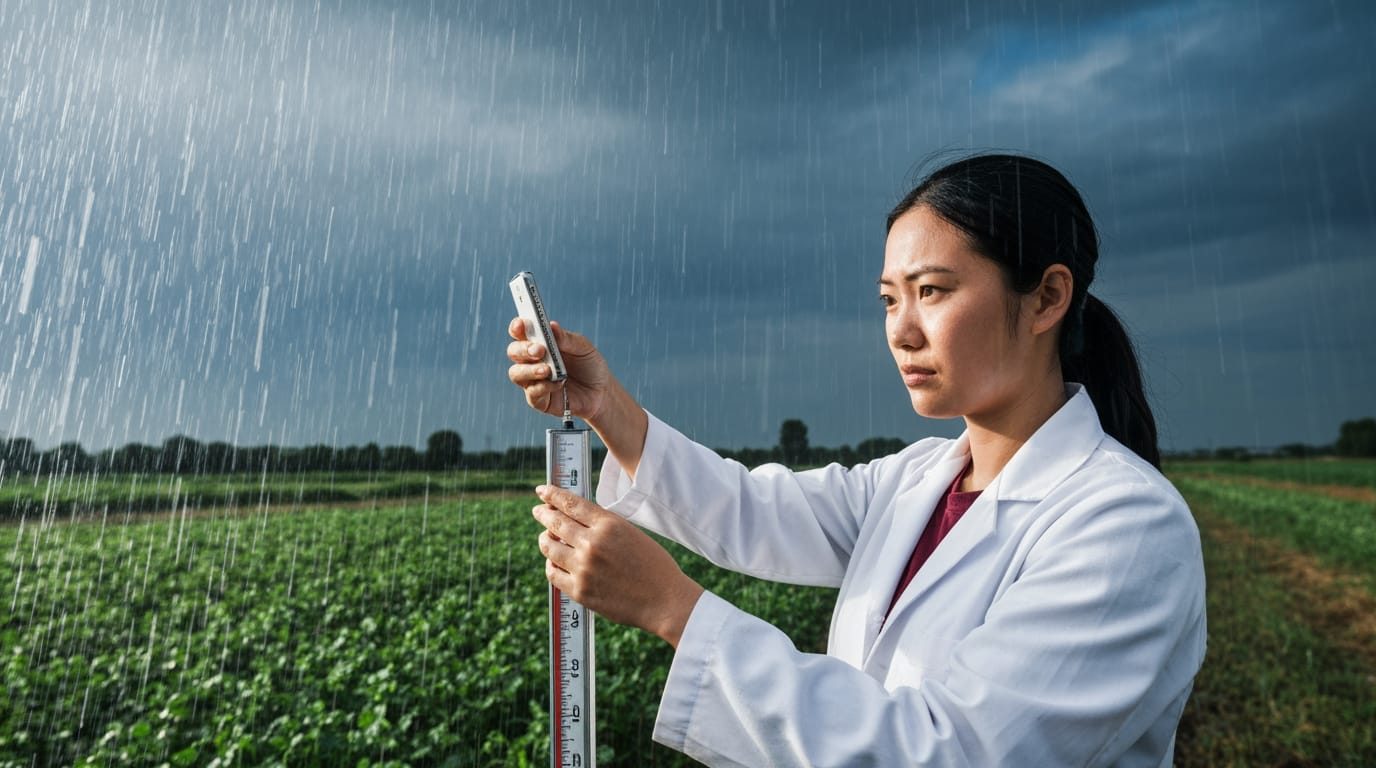
The immediate consequence of this "thirstier" atmosphere is a dramatic increase in the intensity and frequency of extreme precipitation events. Across the contiguous United States, annual precipitation has risen by 0.2 inches per decade since 1901, a trend significantly outpaced by extreme events. Regions such as the Midwest and Northeast have witnessed particularly stark increases, with the amount of precipitation falling in the heaviest 1% of storms increasing by 42% and 55% respectively between 1958 and 2016. Globally, day-to-day rainfall variability has systematically increased by 1.2% per decade since the beginning of the 20th century, with this trend becoming more pronounced after 1950. Studies suggest that nearly a fifth of all precipitation extremes are now attributable to global warming, with this attribution growing stronger for the most severe events.
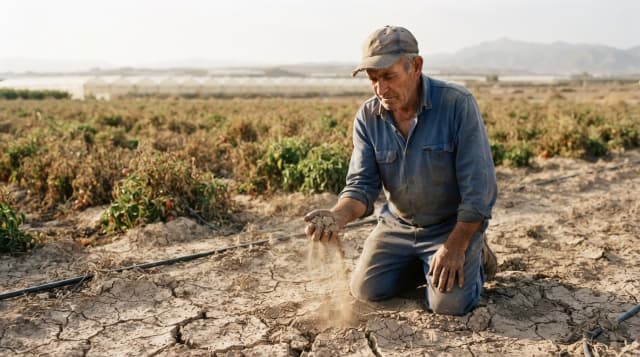
However, the impact of climate change on rainfall is not uniform, leading to a profound paradox: while some regions face unprecedented deluges, others are contending with extended periods of dryness and intensifying droughts. Rising temperatures accelerate evaporation from land, lakes, and rivers, drawing moisture directly from soils and vegetation, which in turn exacerbates drought conditions even without a significant decrease in total rainfall. In the western U.S., for example, scientists have found that evaporative demand, or the atmosphere's "thirst," has played a more significant role than reduced precipitation in driving droughts since 2000, accounting for 61% of the severity of the 2020-2022 drought. Furthermore, warmer conditions can lead to a shift from snow to rain, and earlier snowmelt, disrupting traditional water availability patterns crucial for many communities. This creates a volatile scenario where a year's worth of rain might fall in fewer, more intense events, interspersed with longer, drier spells.
Far-Reaching Consequences: From Floods to Food Insecurity
The altered precipitation patterns carry a cascade of far-reaching consequences that challenge human infrastructure, agricultural systems, and ecological balance. Increased heavy downpours directly translate to a heightened risk of flooding and landslides. Urban areas are particularly vulnerable, as non-permeable surfaces like concrete and asphalt accelerate runoff, overwhelming drainage systems and leading to flash floods. Recent history provides stark examples of such devastation: the 2022 flooding in Jackson, Mississippi, which crippled water treatment plants and left over 150,000 without drinking water, and Hurricane Harvey in 2017, which dumped 48 inches of rain on Houston, setting a U.S. record for a single event. Between 1980 and 2021, floods in EU countries alone caused an estimated 5,600 fatalities and over €250 billion in losses.
On the other side of the spectrum, prolonged droughts exert immense pressure on water resources, making supply less predictable and impacting both urban populations and crucial irrigation for agriculture. When water is scarce, land dries up, leading to crop failures, reduced yields, and heightened food insecurity. The unpredictability forces farmers to adapt through resilient crop varieties or water conservation techniques. Ecosystems are similarly disrupted; shifts in rainfall patterns can alter habitats, affect species migration, and impact plant growth cycles, threatening biodiversity. Beyond the immediate physical and economic damages, these extremes also pose significant threats to human health, ranging from lack of drinking water during droughts to waterborne diseases proliferating in the aftermath of floods.
Regional Disparities and Future Trajectories
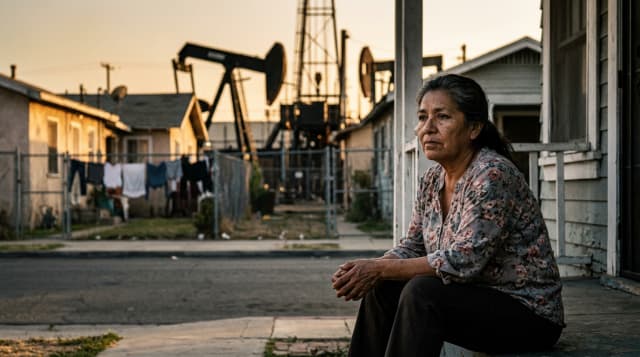
The observed and projected changes in precipitation are not uniform across the globe, illustrating a complex tapestry of regional vulnerabilities. While high latitudes and equatorial regions may experience overall increases in precipitation, subtropical belts are often projected to become drier. High-elevation regions, in particular, are witnessing an amplified intensification of rainfall extremes, with rates of increase approximately 15% per degree Celsius of warming, nearly double that of low-elevation areas in the Northern Hemisphere.
Looking ahead, scientific models project that these trends will intensify. Droughts in many parts of the world, especially in regions like the U.S. Southwest, are expected to become more frequent, intense, and longer-lasting. Some projections indicate a potential 400% increase in extreme summer downpours in certain parts of the United States by 2100, with rainfall becoming up to 70% more intense. The number of days exceeding one or two inches of precipitation is also forecast to rise significantly in key regions like the Midwest and Northeast. Even without changes in overall precipitation amounts, warmer temperatures alone will continue to dry out soils, making future droughts more severe and prolonged. This necessitates a critical re-evaluation of water management strategies, infrastructure development, and agricultural practices to build resilience against a future where hydrological extremes are the new norm.
Adapting to a Changing Climate
The profound connection between climate change and altered rainfall patterns presents an undeniable challenge to societies worldwide. The intensification of the water cycle means an era of "when it rains, it pours" is upon us, juxtaposed with extended periods of parched landscapes. This reality demands concerted efforts to mitigate greenhouse gas emissions to slow global warming, alongside robust adaptation strategies to cope with the changes already in motion and those anticipated. From investing in resilient infrastructure to implementing sustainable water resource management and supporting agricultural innovation, understanding and responding to these complex hydrological shifts will be paramount for safeguarding communities and ecosystems in the coming decades.