Abiy Ahmed's Tumultuous Path: From Nobel Laureate to Architect of War
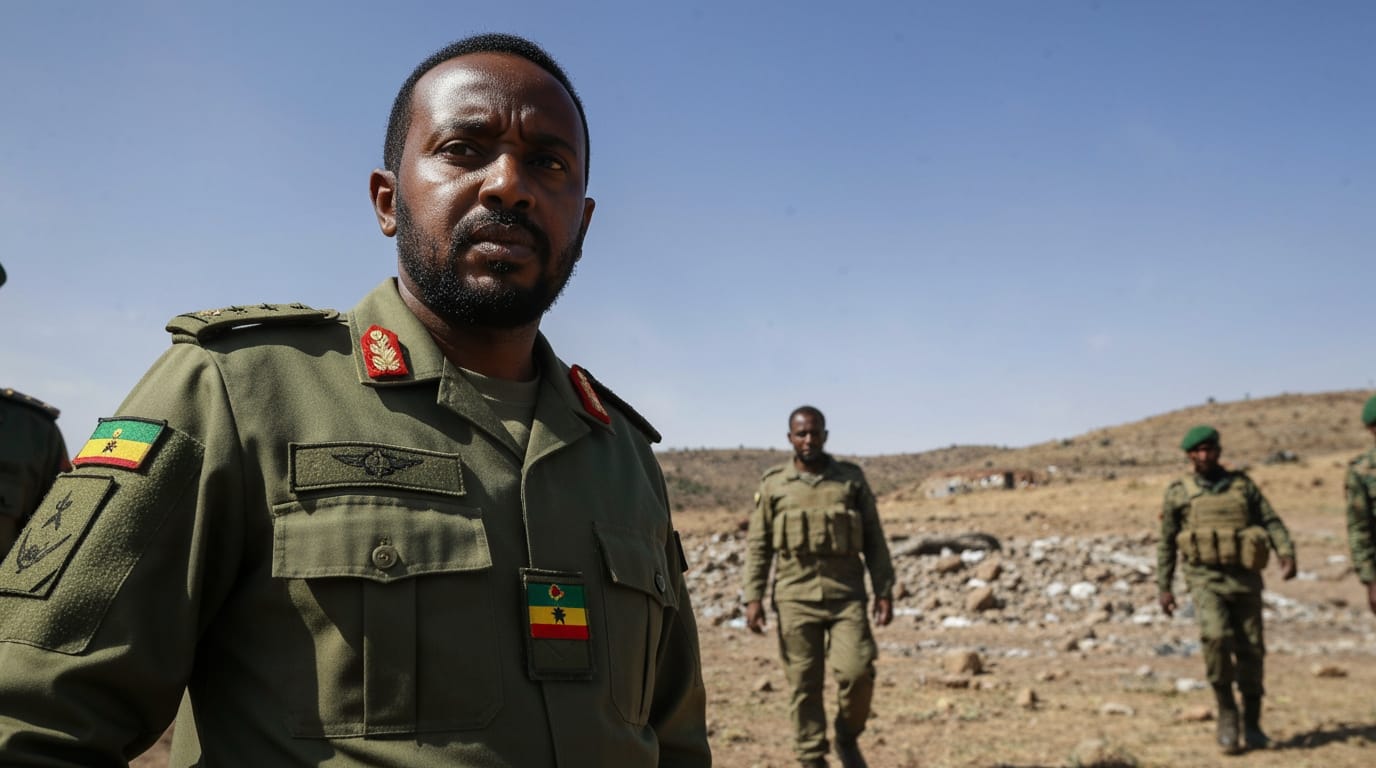
Once hailed as a beacon of hope and a transformative leader, Ethiopian Prime Minister Abiy Ahmed has navigated a complex and often contradictory political trajectory, moving from Nobel Peace Prize laureate to a commander embroiled in one of Africa's most devastating conflicts. His initial ascent to power in 2018 was marked by sweeping reforms and a historic peace deal, earning him international acclaim. However, the optimism surrounding his leadership has since been profoundly challenged by a brutal internal conflict in the Tigray region and persistent ethnic strife, casting a long shadow over his legacy and the future of Ethiopia.
The Rise of a Reformer: A Promise of Peace and Progress
Abiy Ahmed's journey to the premiership began in April 2018, following widespread protests that led to the resignation of his predecessor. As the first Oromo leader, Ethiopia's largest ethnic group, his appointment ignited hopes for unity and democratic change in a nation long grappling with complex ethnic politics. He quickly embarked on a series of radical reforms, releasing thousands of political prisoners, unbanning opposition groups, and ending restrictive media censorship. These actions were seen as a decisive break from decades of authoritarian rule.
The pinnacle of his peacemaking efforts came in July 2018 with a historic peace agreement signed with Eritrean President Isaias Afwerki. This landmark accord formally ended a two-decade "no peace, no war" stalemate stemming from a devastating border conflict between Ethiopia and Eritrea that had claimed tens of thousands of lives. Abiy's "decisive initiative" involved accepting UN-backed boundaries that effectively ceded disputed territory to Eritrea, leading to the restoration of diplomatic relations, and the reopening of air, land, and communication links between the two nations. This monumental achievement earned him the 2019 Nobel Peace Prize, with the Norwegian Nobel Committee recognizing his efforts to achieve peace and international cooperation. Beyond the Eritrea deal, Abiy also played a mediating role in Sudan and between Kenya and Somalia, further solidifying his image as a regional peacemaker.
Shifting Sands: Internal Tensions and the Path to Conflict
Despite the international accolades, Abiy Ahmed's domestic landscape remained fraught with deep-seated ethnic and political tensions. Ethiopia is a tapestry of diverse ethnic groups, and the Tigray People's Liberation Front (TPLF), a powerful party representing the Tigrayan ethnic group, had dominated Ethiopian politics for nearly three decades prior to Abiy's rise. Abiy's reform agenda, while broadly welcomed, was also perceived by some, particularly the TPLF, as an attempt to consolidate central power and sideline their long-held influence.
A significant point of contention arose in 2019 when Abiy dissolved the ruling Ethiopian People's Revolutionary Democratic Front (EPRDF) coalition and formed the new Prosperity Party, which the TPLF refused to join. Tensions further escalated in September 2020 when Tigray defied the federal government by holding its own regional elections, which had been postponed nationally due to the COVID-19 pandemic. The federal government deemed these elections illegal and responded by cutting funding to the region, a move described by the TPLF as tantamount to a declaration of war. Simultaneously, Abiy faced persistent ethnic violence in other regions like Oromia and Amhara, and critics began to accuse his administration of authoritarian tendencies, including politically motivated arrests and the suppression of opposition voices.
The Descent into War: Tigray Conflict Unfolds
The simmering feud erupted into open conflict in November 2020 when Abiy Ahmed ordered a military offensive into the Tigray region. The government's justification for the military action was an alleged attack by TPLF forces on the Ethiopian National Defense Force's (ENDF) Northern Command base, aiming to seize military equipment. Abiy framed the operation as a "law enforcement operation" to restore constitutional order.
The conflict quickly escalated beyond a localized skirmish. Ethiopian federal forces were joined by Amhara regional forces and, crucially, the Eritrean army, the latter driven by long-standing animosity towards the TPLF. What Abiy had promised would be a swift victory instead spiraled into a prolonged and devastating two-year war. The shift from peacemaker to wartime commander was stark, leading the Norwegian Nobel Committee to issue an uncharacteristic statement in January 2022, asserting that Abiy Ahmed bore "special responsibility" for ending the bloodshed in Tigray.
A Deepening Crisis: Humanitarian Catastrophe and International Scrutiny
The Tigray War resulted in a catastrophic humanitarian crisis. Estimates suggest that between 350,000 and 600,000 people died during the two-year conflict, which formally ended with a Cessation of Hostilities Agreement in November 2022. The conflict displaced over 4.4 million people, and millions more were in desperate need of emergency humanitarian aid, with hundreds of thousands facing starvation. International organizations and human rights groups accused the Ethiopian government of deliberately blocking humanitarian aid and using starvation as a weapon of war.
Reports of severe human rights abuses, including ethnic cleansing, extrajudicial killings, and widespread sexual violence committed by Ethiopian, Eritrean, and Amhara forces, became alarmingly frequent. The healthcare infrastructure in Tigray was devastated, with a vast majority of health facilities becoming non-functional. The scale of the atrocities led to international calls for the revocation of Abiy Ahmed's Nobel Peace Prize. While the peace agreement aimed to bring stability, the situation remains unstable, with ongoing human rights concerns, restricted aid access, and the continued occupation of some Tigrayan territories.
Conclusion: A Legacy at a Crossroads
Abiy Ahmed's leadership presents a profound paradox. His initial period as Prime Minister brought unprecedented hope for peace and reform, earning him global recognition. Yet, his tenure quickly devolved into a period marked by civil war, ethnic strife, and accusations of increasing authoritarianism. The promise of a unified and democratic Ethiopia, articulated during his Nobel acceptance, has been overshadowed by widespread suffering and internal fragmentation.
Recent elections, including those in June 2026, have seen Abiy's Prosperity Party maintain an overwhelming majority, but these polls have been marred by insecurity, opposition skepticism, and the continued exclusion of regions like Tigray. The deep-seated issues of ethnic tension, economic hardship, and a crisis of trust between the government and its citizens persist. As Ethiopia navigates these turbulent waters, the world watches a leader whose trajectory from celebrated peacemaker to controversial wartime commander embodies the complex, often tragic, realities of power and governance in a volatile region. His ultimate legacy remains an open question, defined by both remarkable early achievements and profound later challenges.


