Adrift Russian Tanker Poses Imminent Ecological Catastrophe in Mediterranean
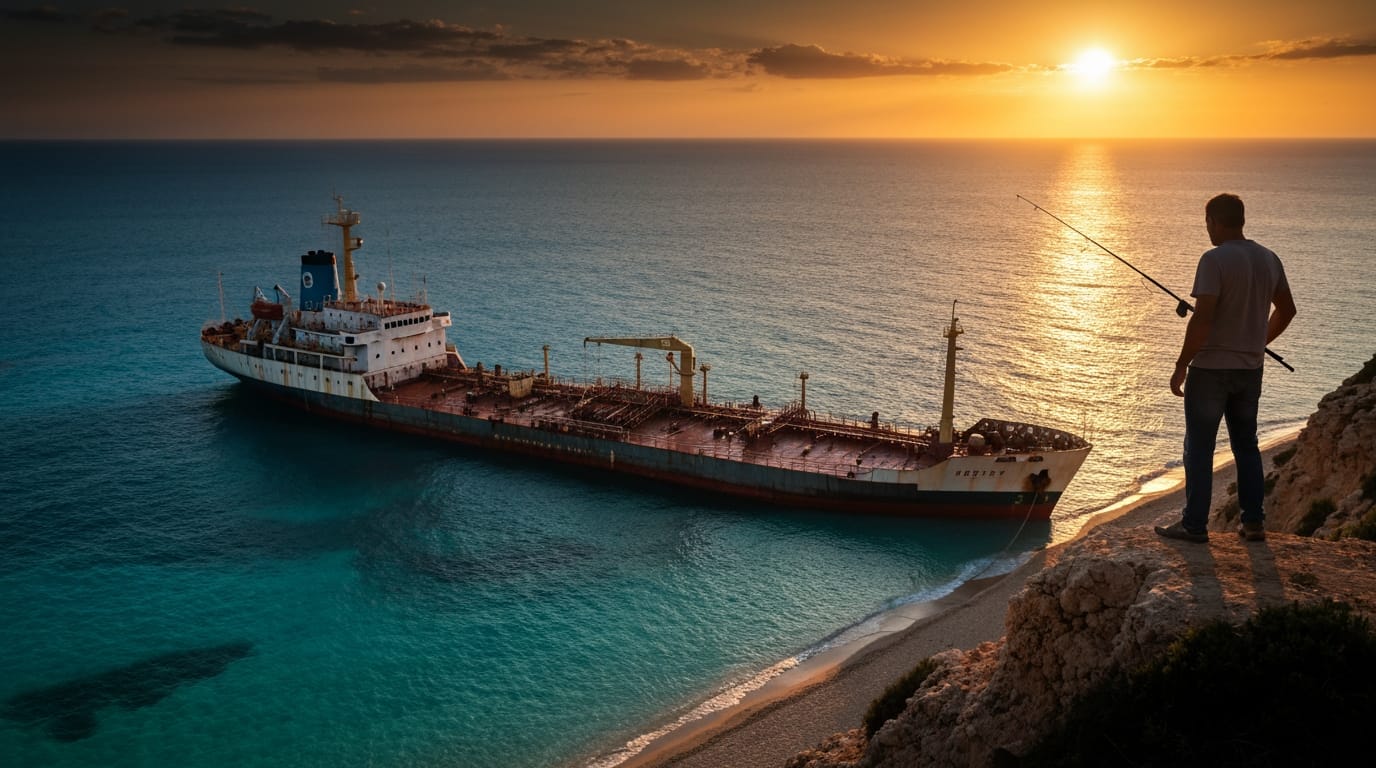
A disabled Russian liquefied natural gas (LNG) tanker, the Arctic Metagaz, has been adrift in the central Mediterranean for two weeks following a suspected drone attack, sparking urgent warnings from European nations of an impending ecological disaster. The vessel, carrying a substantial amount of natural gas and hundreds of tons of heavy fuel, currently floats crewless within Libyan territorial waters, presenting a complex and dangerous maritime emergency exacerbated by geopolitical tensions and international sanctions. The incident has drawn sharp concern across the region, as authorities grapple with the immediate threat of a major spill or explosion and the broader implications for maritime safety and environmental protection in one of the world's most vital sea lanes.
The Incident Unfolds: A "Shadow Fleet" Vessel Attacked
The Arctic Metagaz, a vessel identified as part of Russia's "shadow fleet" – a network of tankers used to circumvent Western sanctions on Russian energy exports – reportedly suffered severe damage on March 3. The incident, attributed by Russia to a Ukrainian naval drone attack, occurred near Maltese waters, causing a significant hole in the tanker's hull. Following the attack, the tanker's crew was rescued, leaving the Arctic Metagaz to drift without a crew. The vessel began its journey from the Arctic port of Murmansk, bound for the Suez Canal, when it was incapacitated. Satellite imagery has suggested the tanker was nearly split in two by the impact.
Over the past fortnight, the damaged tanker has traversed significant stretches of the Mediterranean. It was initially observed adrift between Malta and the Sicilian island of Lampedusa, prompting immediate alarm among bordering European states. As of Wednesday, March 18, the Arctic Metagaz had drifted into Libyan territorial waters, shifting the immediate responsibility for its monitoring and potential salvage to the North African nation. This movement complicates an already challenging situation, as international law dictates that coastal countries bear responsibility for resolving situations with drifting vessels within their waters.
A Precarious Cargo and Environmental Peril
The primary concern revolves around the Arctic Metagaz's hazardous cargo. The tanker is loaded with liquefied natural gas (LNG) and carries an estimated 90 to 700 metric tons of heavy oil or diesel. While no leaks of LNG have been confirmed, the Italian civil protection agency has explicitly warned of the fundamental risk of "dispersion into the sea of the hydrocarbons onboard." A spokesperson for the agency highlighted the more certain risk posed by the heavy oil and diesel, stating, "There are about 90 tonnes of heavy oil or diesel onboard, so we are more certain of this risk. The other danger is related to the gas that the tanker was transporting."
The environmental ramifications of a spill or explosion would be catastrophic for the Mediterranean Sea, an ecologically fragile and semi-enclosed basin already under immense anthropogenic pressure. An oil spill of this magnitude could devastate marine ecosystems, contaminate extensive stretches of coastline, and severely impact vital local industries such as fishing and tourism. The release of LNG, while potentially less visible, carries its own set of dangers, including fire, explosion hazards, and localized environmental impacts on marine life. The combination of both types of cargo presents a dual threat that maritime safety experts are closely monitoring.
International Alarm and Diplomatic Gridlock
The escalating crisis has triggered a chorus of warnings from European nations. Italy, France, Spain, Malta, Greece, and Cyprus, along with several other European Union countries, collectively addressed a joint letter to European Commission President Ursula von der Leyen. The letter emphatically stated that the Arctic Metagaz poses an "imminent and serious risk of a major ecological disaster in the heart of the Union's maritime space." They urged the activation of the bloc's civil protection mechanism and called for a coordinated EU-level response to mobilize resources swiftly.
The situation is further complicated by the tanker's status as part of Russia's "shadow fleet." EU nations have warned that any direct involvement in surveillance, monitoring, or technical assistance could risk "undermining the integrity, effectiveness and the deterrent value of the EU sanctions regime." This creates a significant diplomatic and legal quandary: balancing the urgent need for environmental protection and maritime safety against the imperative to uphold international sanctions. Russia's foreign ministry acknowledged the vessel was adrift and stated that Moscow was in contact with the shipowner and "competent bodies." However, Russia's transport ministry has also claimed that the vessel was attacked by Ukrainian naval drones launched from the Libyan coast, and emphasized that "international legal norms applicable to the current situation imply the responsibility of coastal countries... for resolving the situation with the drifting vessel."
The Complexities of Response
Responding to the Arctic Metagaz incident presents formidable challenges. The tanker's crewless status means there is no onboard personnel to mitigate risks or assist with salvage operations. Rough sea conditions in the central Mediterranean further impede any potential intervention, making it dangerous for other vessels to approach the damaged tanker. Malta, for instance, has reportedly imposed a ban on approaching within 7 kilometers (4.3 miles) of the tanker due to concerns that "the vessel could explode at any moment."
The current trajectory of the tanker into Libyan waters adds another layer of complexity. Libya, a nation already contending with internal instability, now faces the direct responsibility for managing a potential international environmental crisis. While Italy's civil protection agency has stated that the vessel is now Libya's responsibility, coordination and resources for such a complex salvage operation remain critical issues. The lack of clarity surrounding who will ultimately lead and fund a comprehensive response effort underscores the difficulties inherent in addressing such a multifaceted emergency. The broader implications for maritime security, particularly the increased risk of drone attacks on commercial shipping, are also being actively discussed, with some analysts suggesting this incident marks a new front in energy warfare that could lead to spikes in maritime insurance rates and a reshaping of regional naval deployments.
Conclusion: A Looming Threat and a Test of International Cooperation
The Arctic Metagaz remains a potent symbol of the converging crises facing the Mediterranean: environmental vulnerability, geopolitical friction, and the evolving nature of maritime threats. The ongoing drift of the damaged tanker represents a significant and persistent risk of an ecological disaster, threatening the pristine waters and coastal communities of the region. The incident highlights the urgent need for a clear framework for international cooperation, especially when dealing with vessels operating under contentious circumstances. As the Arctic Metagaz continues its unpredictable journey, the international community watches, hoping for a swift and effective resolution to avert a devastating environmental catastrophe that could ripple across the Mediterranean for years to come.


