AfD Gains Ground in German Elections, Raising Concerns
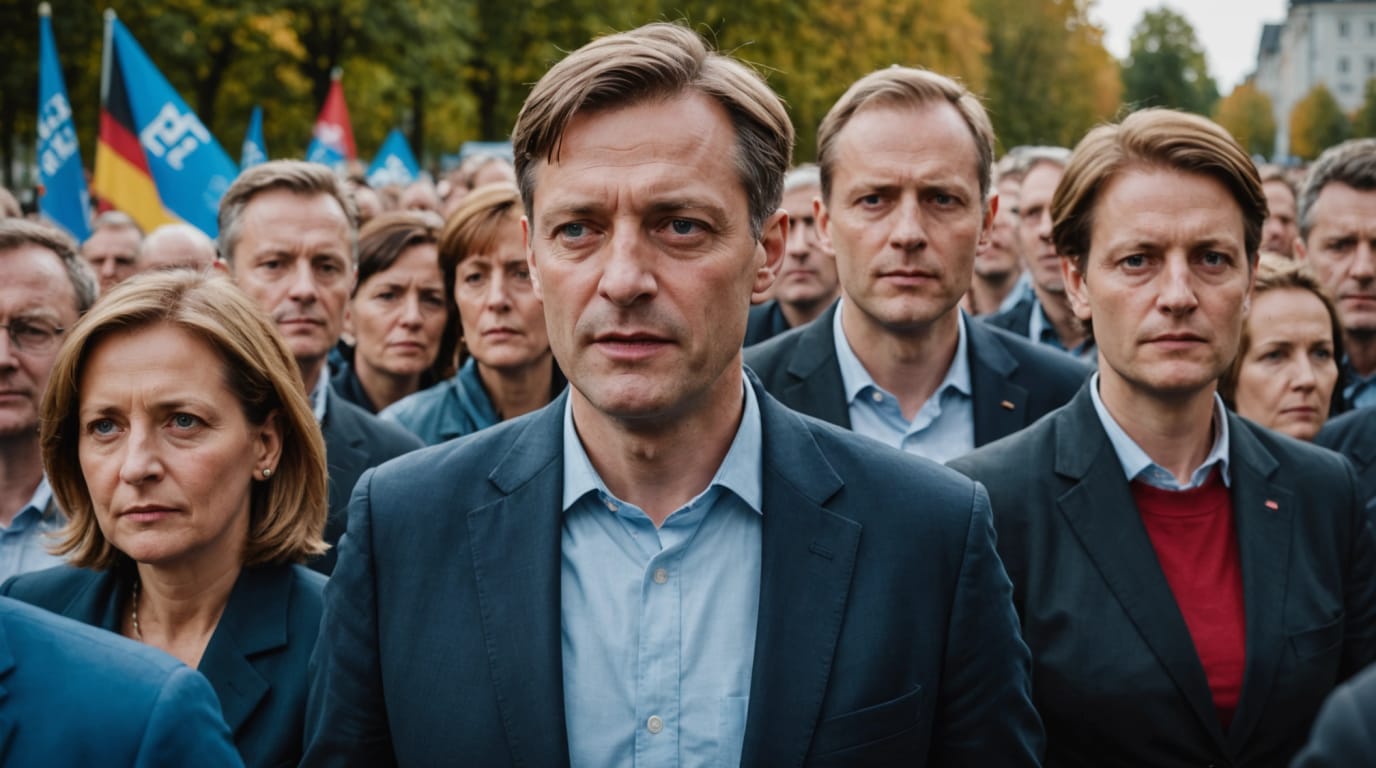
Germany's political landscape has undergone a significant shift as the far-right Alternative for Germany (AfD) party has significantly increased its parliamentary power following recent federal elections. While the center-right Christian Democratic Union (CDU) is poised to lead the next government, the AfD's surge to become the second-largest party in the Bundestag has sparked considerable concern both domestically and internationally.
The AfD's rise comes amidst a backdrop of economic challenges, rising living costs, and anxieties surrounding immigration. The snap general election on February 23, 2025, saw the AfD more than double its vote share, capitalizing on public fears and discontent. Voter turnout surged to 82.5%, the highest since 1990, indicating a deeply engaged electorate grappling with the nation's future.
Election Results and Coalition Challenges
The CDU and its sister party, the CSU, secured the largest share of the vote with 28.6%. However, the AfD's impressive 20.8% showing marks the best result for a right-wing party in Germany since World War II. Friedrich Merz, leader of the CDU, is expected to become the next chancellor, but forming a stable coalition government presents a significant challenge. The CDU has ruled out any cooperation with the AfD, leaving Merz to explore alliances with other parties, most likely the Social Democrats. Deep policy divisions among mainstream parties suggest that coalition talks will be difficult and protracted.
The AfD's success was particularly notable among younger voters, securing approximately 21% of the vote from those aged 18 to 24, a significant increase from previous elections. This suggests a growing appeal of the party's message to a demographic traditionally less inclined to support far-right ideologies.
AfD's Platform and Controversies
Founded in 2013 in response to the Eurozone crisis, the AfD has evolved into a far-right, populist, and national-conservative party. Its core policies include stricter immigration controls, a rejection of asylum applications, and "remigration" initiatives aimed at deporting foreign nationals. The party also advocates for economic overhauls, such as abandoning the euro and reintroducing the German mark, as well as foreign policy changes, including a potential exit from NATO. Furthermore, the AfD seeks to reverse energy transitions, favoring a return to nuclear energy and dismantling existing wind turbines.
The AfD has been widely criticized for its antisemitic, xenophobic, nationalist, and extremist positions and rhetoric. Members of the party have made inflammatory statements targeting minority groups, particularly Muslims, immigrants, and refugees. Some have even been accused of promoting Holocaust denial and downplaying Germany's Nazi past. Germany's domestic intelligence agency has classified the AfD as a "suspected right-wing extremist" group, focusing on its more radical factions.
Impact and Implications
Despite being excluded from formal power, the AfD's strong showing in the election grants it significant influence. As the leading opposition party, the AfD can shape the political agenda from the fringes, potentially obstructing the new government's policies and pressuring it to adopt stricter stances on immigration and asylum. The party is expected to prioritize its anti-immigration politics, capitalizing on public anxieties and seeking to undermine the government's stability in the lead-up to the 2029 elections.
The AfD's rise has triggered deep soul-searching within Germany's political establishment, raising concerns about the normalization of far-right ideologies and the potential for history to repeat itself. The party's success in attracting protest votes from those dissatisfied with the previous coalition government suggests a growing embrace of extremist views among a segment of the German population.
International Reactions and Endorsements
The AfD's growing influence has not gone unnoticed internationally. The party has garnered support from figures such as Elon Musk, who has publicly endorsed the AfD, and U.S. Vice President J.D. Vance, who has called for mainstream politicians to abandon their convention of uniting to keep the far-right out of power. However, the AfD's controversial stances and rhetoric have also drawn criticism from international organizations and leaders who are wary of its potential impact on Germany's role in Europe and the world.
Donation Scandal
Adding to the controversy surrounding the AfD, a donation scandal has recently surfaced. Investigations suggest that the party accepted financial contributions in contravention of German laws regulating donations to political parties. The scandal involves an advertising campaign for the AfD valued at around €2.35 million, with allegations that the true source of the money was a German-Swiss real estate billionaire. Austrian authorities are investigating the possibility of money laundering, and if the allegations are proven true, the AfD could face a substantial fine.
A Divided Nation
The AfD's surge in parliamentary clout reflects a divided nation grappling with complex challenges. While the CDU is poised to lead the next government, the AfD's strong showing underscores the need for a comprehensive approach to address the underlying issues driving support for the far-right. Navigating these divisions and ensuring political stability will be a key challenge for the incoming government. The rise of the AfD serves as a stark reminder of the fragility of democratic values and the importance of addressing the root causes of extremism and intolerance.


