AfD's Rising Influence: A Complex Web of Trumpism and Russian Alignment
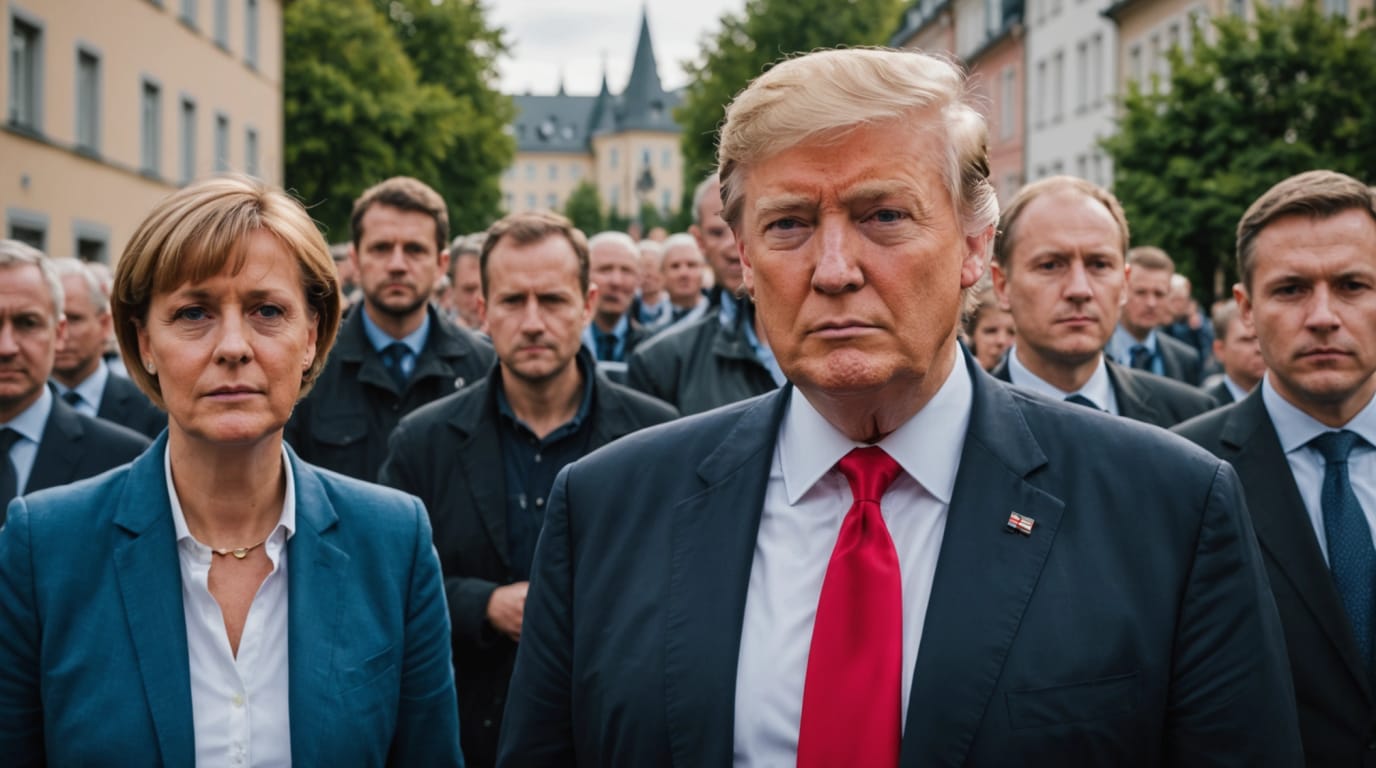
BERLIN — Germany's far-right Alternative für Deutschland (AfD) party is increasingly under scrutiny for its alignment with both former U.S. President Donald Trump's political ideology and Russia's strategic interests, raising concerns about the future of German and European politics. As the AfD gains traction in domestic polls, its stance on key issues like energy security, immigration, and international alliances is drawing comparisons to Trump's "America First" approach and raising questions about potential Russian influence.
Echoes of Trump in German Politics
The AfD, known for its anti-immigration rhetoric and euroskeptic views, has found an unlikely ally in circles associated with Donald Trump. The party's policies, particularly its call for Germany to resume reliance on Russian oil and gas, echo some of Trump's long-held positions, creating a perplexing dynamic given Trump's historical opposition to such dependence.
Elon Musk, the tech billionaire and influential figure, has openly endorsed the AfD, describing it as the "only party that can save Europe." Musk's promotion of the AfD on his social media platform X has significantly amplified the party's reach, bringing it to a wider audience beyond its traditional base. Trump himself extended an invitation to the AfD to attend his inauguration, signaling a level of recognition that has further legitimized the party on the international stage.
Russia's Strategic Interest in the AfD
Beyond the connections to Trump's sphere of influence, the AfD's alignment with Russian interests is a growing concern for many observers. The party's stance on issues such as sanctions against Russia and its skepticism towards NATO align with the Kremlin's geopolitical goals.
The AfD's perceived sympathy towards the Kremlin has led to accusations of being a "useful idiot" for Russian propaganda. Critics argue that the party's rhetoric, which often mirrors Russian narratives, serves to undermine Western unity and sow discord within Germany and the European Union. Reports suggest that Russia sees the AfD as a tool to fracture and weaken the West, exploiting the party's anti-establishment views to advance its own agenda.
Domestic Impact and Political Fallout
The AfD's growing popularity is reshaping the German political landscape. Recent polls show the party polling in second place nationally, a significant increase from its performance in previous elections. This surge in support is attributed to a combination of factors, including public discontent with the current government, concerns about immigration, and the AfD's effective use of social media to spread its message.
The rise of the AfD has sparked heated debates within Germany about the country's identity, its role in Europe, and its relationship with the United States and Russia. Mainstream political parties are grappling with how to address the AfD's growing influence, with some advocating for a tougher stance against the party's rhetoric and policies, while others call for a more nuanced approach that addresses the underlying concerns of AfD voters.
Implications for European Security
The AfD's foreign policy positions, particularly its skepticism towards NATO and its call for closer ties with Russia, have raised concerns among Germany's allies. Critics fear that a stronger AfD could weaken Germany's commitment to collective security and undermine the transatlantic alliance.
The party's stance on the war in Ukraine has also drawn criticism, with some AfD members questioning the effectiveness of sanctions against Russia and calling for a negotiated settlement that would accommodate Russian interests. Such positions have fueled concerns that the AfD could seek to normalize relations with Russia, even at the expense of Ukraine's sovereignty and territorial integrity.
Conclusion: Navigating a Complex Geopolitical Landscape
The AfD's rise presents a complex challenge for Germany and its allies. The party's alignment with Trump-like policies and perceived sympathy towards Russia raise fundamental questions about the future of German foreign policy and its role in the international order. As the AfD continues to gain influence, it is crucial for policymakers to understand the underlying factors driving its support and to develop effective strategies for countering its divisive rhetoric and policies. The future of Germany, and perhaps Europe, may well depend on it.


