Afghan Consulates in Germany: A Shadow of Threat for Refugees
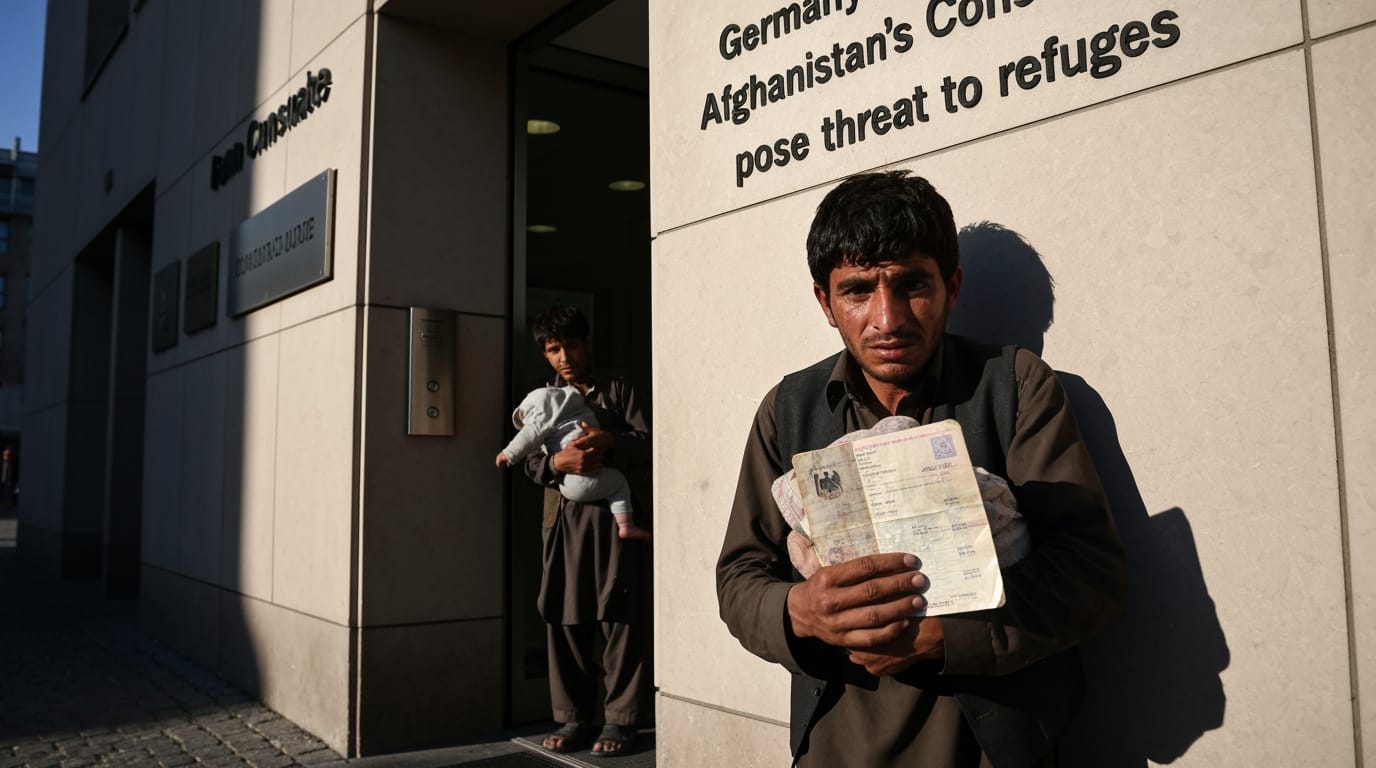
Berlin, Germany – A complex and unsettling situation is unfolding in Germany, where Afghanistan's diplomatic missions, including its embassy in Berlin and consulates in Bonn and Munich, are increasingly becoming a source of apprehension for Afghan refugees. The growing influence of the Taliban over these missions, despite Germany's non-recognition of the regime, has ignited fears that vital consular services could be compromised and, more alarmingly, that sensitive personal data could fall into the hands of a regime many have fled. This delicate balance between diplomatic pragmatism and refugee protection is generating significant debate and anxiety within the Afghan diaspora.
Since the Taliban's resurgence to power in Kabul in August 2021, the status and function of Afghan diplomatic posts worldwide have been in flux. While many missions initially continued to operate under the previous government's mandate, providing services to their citizens abroad, the Taliban has been systematically working to assert control. This assertion of control is not merely symbolic; it carries tangible implications for Afghan nationals residing in Germany, many of whom sought refuge from the very regime now seeking to govern their identity documents.
The Taliban's Reach and Diplomatic Dilemmas
The German Foreign Ministry has acknowledged its ongoing concerns regarding Taliban control over Afghan diplomatic missions abroad. Despite Germany officially not recognizing the Taliban as the legitimate governing authority of Afghanistan, a pragmatic decision was made to accept two Taliban-appointed diplomats to serve at the Afghan Embassy in Berlin and the Afghan Consulate in Bonn. This move, confirmed by German government spokesperson Stefan Cornelius, was primarily driven by the need to ensure basic consular services for Afghan citizens in Germany and, significantly, to facilitate the deportation process for Afghan nationals with criminal convictions.
This acceptance of Taliban-appointed personnel has, however, sparked considerable internal tension and outright protest. Diplomatic sources have reported that staff at the Afghan Consulate in Bonn considered a collective resignation in protest. Their concerns centered on potential human rights violations and the security of sensitive documents belonging to Afghan citizens. Such anxieties are not unfounded; the Taliban's Ministry of Foreign Affairs has already disavowed documents issued by missions not under its control, including those in Berlin and Bonn, stating it would no longer recognize their validity. This declaration has created immense hardship for Afghans in Europe, who rely on these documents for legal status, travel, and work.
Erosion of Trust: Refugees' Plight
For Afghan refugees in Germany, the notion of their consulates operating under Taliban influence represents a profound betrayal and a direct threat to their safety and privacy. Many fled Afghanistan specifically to escape the Taliban's rule and now fear that their personal information, required for routine consular services, could be transmitted back to the very authorities from whom they sought sanctuary. The prospect of consulates becoming extensions of the Taliban's surveillance apparatus deeply undermines the trust essential for such diplomatic facilities.
Afghan citizens in Germany have taken to the streets to protest against any perceived coordination between the German government and the Taliban regarding these missions. Protesters have voiced concerns that entrusting Afghan diplomatic missions to the Taliban could increase the risk of terrorism and compromise human rights, asserting that any engagement with the Taliban amounts to cooperation with a group that disregards fundamental human rights and international conventions. The sentiment among many is that they will not feel safe if their official documents and personal details are handled by Taliban-aligned representatives.
The Shifting Sands of German Policy
The German government finds itself navigating a complex policy landscape. While committed to humanitarian principles and the protection of refugees, it is also under increasing domestic pressure to manage migration flows and facilitate the deportation of individuals who have committed crimes. The decision to engage with Taliban-appointed diplomats for consular purposes is framed by Berlin as a pragmatic necessity, distinct from formal recognition of the regime. German Interior Minister Alexander Dobrindt has defended direct contacts with the Taliban, arguing they are essential for carrying out deportations, especially for convicted offenders.
However, this approach has drawn criticism from opposition parties and human rights organizations, who accuse the government of normalizing relations with a regime widely known for its systematic violation of human rights, particularly against women and minorities. Germany has, in the past, provided pathways for at-risk Afghans to find refuge, with tens of thousands having entered the country under voluntary programs since the 2021 takeover. Yet, recent policy shifts, citing security concerns and public backlash, have seen the suspension and even shutdown of some Afghan refugee programs, leaving thousands of Afghans, including those who previously received assurances, in limbo.
An Uncertain Future
The situation surrounding Afghanistan's consulates in Germany encapsulates a broader international dilemma: how to address the practical needs of a diaspora while refusing to legitimize an oppressive regime. For Afghan refugees, the perceived threat from these missions is deeply personal, impacting their sense of security, legal standing, and connection to their homeland. The ongoing debate highlights the delicate balance between diplomatic necessity and the unwavering commitment to human rights and refugee protection. As Germany continues to grapple with these multifaceted challenges, the welfare and trust of its Afghan refugee population remain a critical concern, with their future often hanging precariously in the balance.