Goma: A City Under Siege as Violence Casts a Chilling Shadow
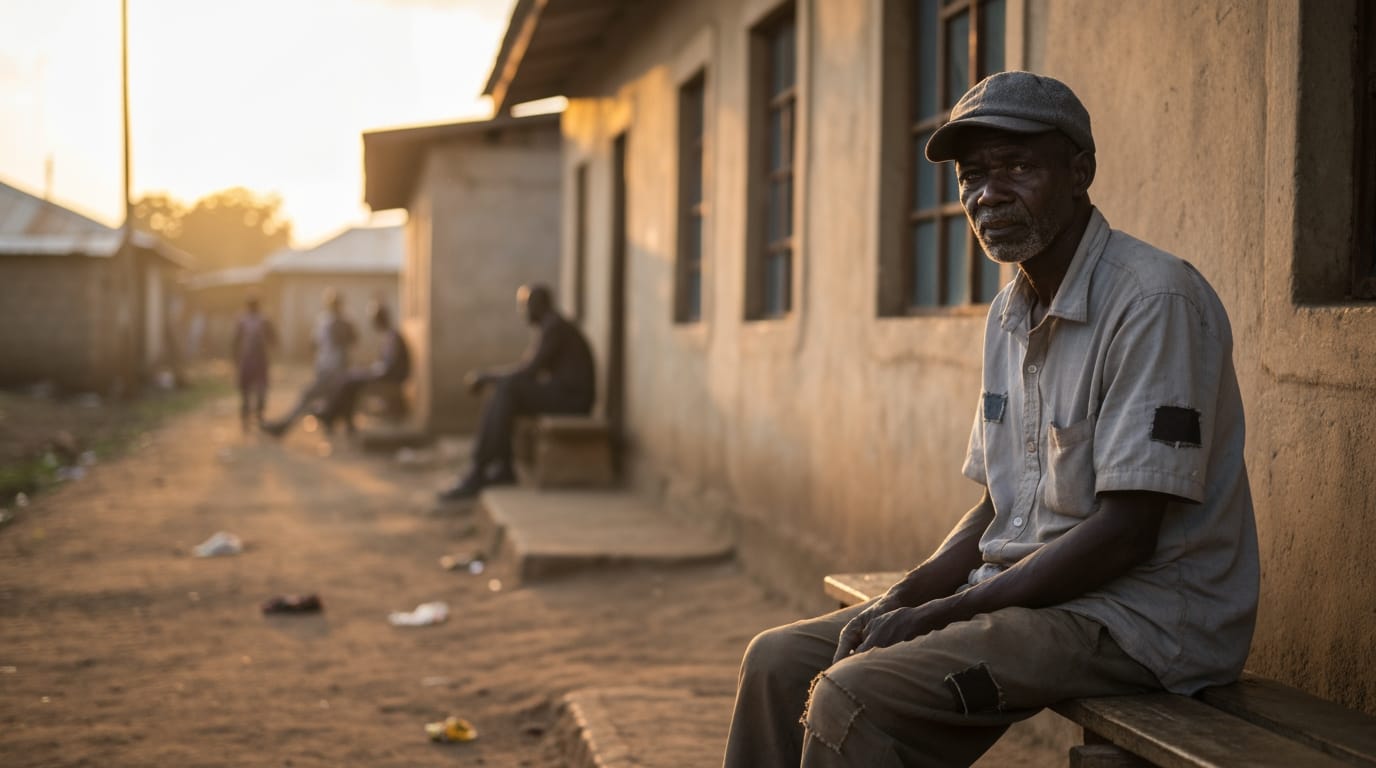
Goma, once a vibrant commercial hub on the shores of Lake Kivu, has descended into a chilling silence, its streets echoing with the distant sounds of conflict rather than the rhythm of daily life. The city, a critical center in the mineral-rich eastern Democratic Republic of Congo (DRC), finds itself grappling with the profound impact of renewed rebel activity, primarily from the M23 group, transforming it into a battleground where the fear of violence dictates every moment for its inhabitants. The once-bustling markets are deserted, shops remain shuttered, and the energy that defined Goma has been replaced by an unsettling stillness, punctuated by artillery fire and the anguished cries of families torn apart.
The Fall and the Aftermath: A City Transformed
The current escalation has seen the M23 rebel group, also known as the March 23 Movement, make significant territorial gains, seizing strategic locations including Minova, Sake, and ultimately, Goma itself. Reports indicate M23 fighters openly patrolling the city's streets, signaling a stark shift in control and power dynamics. This latest surge in violence followed an ultimatum issued by the rebels for the Congolese army to surrender, intensifying an already volatile situation. The immediate aftermath has been characterized by an overwhelming sense of panic among the city's estimated two million residents and displaced persons who had sought refuge there.
The transformation of Goma from a center of commerce and culture into a conflict zone has been swift and brutal. The hum of ordinary existence has been stifled, replaced by the omnipresent threat of gunfire and explosions. Many civilians have found themselves trapped in their homes, unable to flee, with some expressing a grim determination to face their fate in situ rather than endure the dangers of displacement. This desperate resolve underscores the severity of the crisis and the limited options available to those caught in the crossfire.
The Staggering Human Cost: A Humanitarian Catastrophe Unfolds
The most devastating consequence of the conflict is the rapidly escalating humanitarian crisis. Hundreds of thousands have been forcibly displaced from their homes in Goma and surrounding areas, swelling already overcrowded camps where basic necessities are dangerously scarce. Access to food, clean water, and healthcare has become a critical challenge, exacerbating the suffering of an already vulnerable population. Humanitarian aid efforts are severely hampered, with reports of airports and hospitals shutting down in rebel-controlled territories, effectively cutting off lifelines to those in desperate need. Disturbingly, a humanitarian warehouse in Goma was reportedly looted, further diminishing vital supplies for the affected population.
Beyond the immediate deprivations, the conflict has unleashed an alarming surge in sexual violence. The United Nations reported over 80,000 cases of rape in eastern Congo in 2025 alone, a chilling statistic that highlights the weaponization of sexual assault by various armed actors, including rebel groups and, in some instances, even soldiers meant to provide protection. This horrific trend underscores the profound violation of human rights occurring amidst the chaos and serves as a stark reminder of the unique vulnerabilities faced by women and girls in conflict zones. The psychological and physical scars left by such widespread atrocities will endure for generations, making healing and recovery a monumental task for the region.
A Confluence of Factors: Minerals, Militias, and Regional Tensions
The perennial conflict in eastern DRC, and specifically around Goma, is deeply rooted in a complex interplay of factors, primarily centered on the control of land, people, and the region's vast mineral wealth. Eastern Congo is extraordinarily rich in critical minerals such as cobalt, copper, gold, and coltan – resources essential for global industries, from smartphones to electric vehicles. This abundance has paradoxically fueled protracted instability, as numerous armed groups finance their operations through illegal mining and taxation.
The M23 rebel group, which has been at the forefront of the recent offensive, is not the sole actor in the region; dozens of other armed groups, including the Allied Democratic Forces (ADF) linked to ISIS, operate with impunity. The Congolese government and the United Nations have repeatedly accused neighboring Rwanda of backing the M23, providing both manpower and weaponry – an allegation Rwanda consistently denies. These accusations highlight deep-seated regional tensions and historical grievances, some stemming from the 1994 Rwanda genocide, which continue to destabilize the area. The Congolese army itself faces significant challenges, including inadequate resources, weak discipline, and internal corruption, making it difficult to effectively protect civilians or enforce the rule of law across this fractured landscape. This intricate web of state and non-state actors, coupled with foreign interests, creates a "series of overlapping battles" rather than a singular war, perpetuating a cycle of violence and suffering.
International Response and the Quest for Lasting Peace
The international community has not been entirely silent, though its actions have been met with mixed results. The African Union's (AU) Peace and Security Council (PSC) has issued strong condemnations of the violence, calling for immediate ceasefires and an end to foreign interference. However, critics argue that these diplomatic statements from Addis Ababa must be translated into concrete action to be effective, with the AU's credibility now on the line. The United Nations maintains peacekeeping forces in the country, but even these have suffered casualties amidst the escalating conflict. Regional leaders, such as Kenyan President William Ruto, have urged presidents of Rwanda and Congo to prioritize peace.
Despite these calls and interventions, the situation on the ground remains dire, underscoring the immense challenges in achieving lasting stability in eastern DRC. The world's reliance on Congo's critical minerals means the conflict has global implications, yet sustained and decisive international engagement to address the root causes of the violence and ensure civilian protection remains elusive. Without a concerted effort to dismantle illicit mineral networks, address ethnic grievances, strengthen governance, and hold all perpetrators of violence accountable, Goma and other communities in eastern Congo face the tragic prospect of history repeating itself, perpetuating a shadow of violence over an already traumatized population.


