Afghan Women Activists in Pakistan Face Imminent Deportation Threat
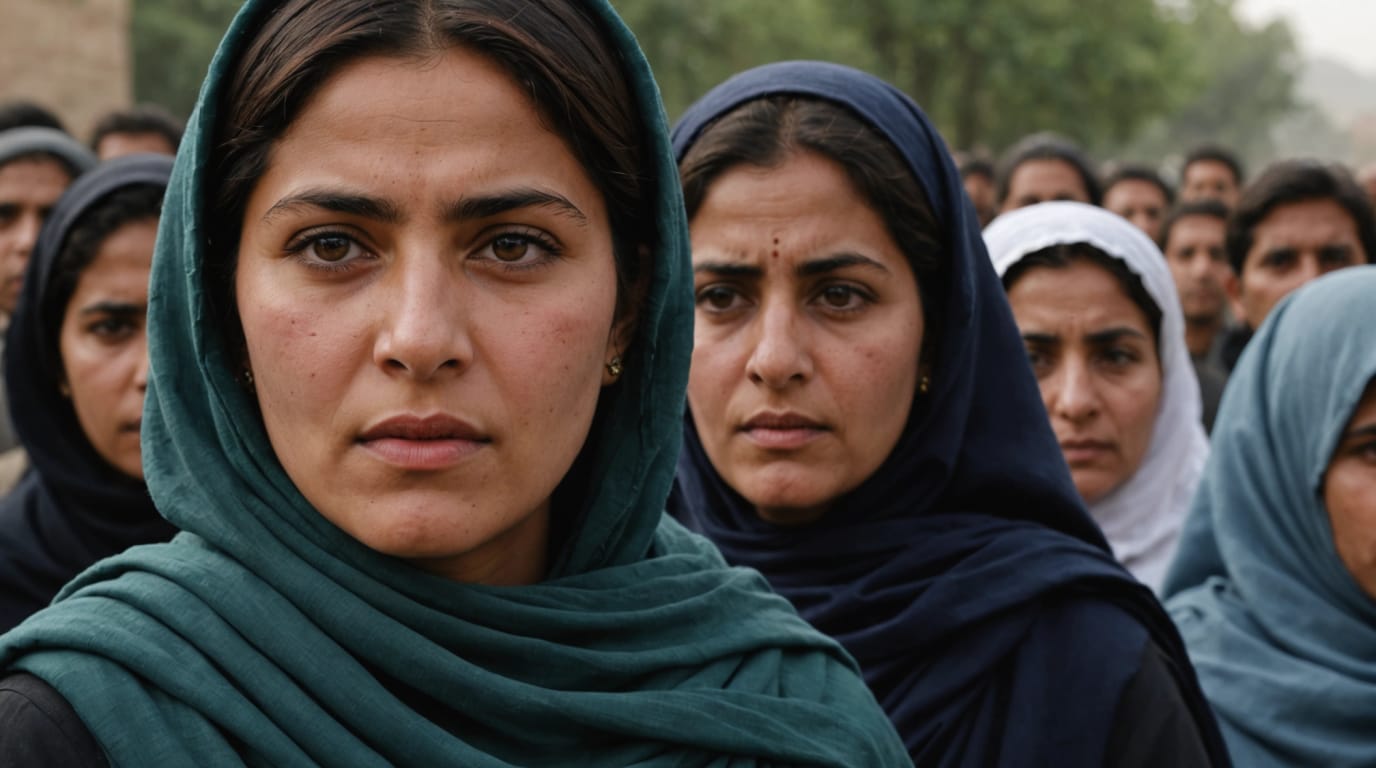
ISLAMABAD – Hundreds of Afghan women activists, prosecutors, journalists, and human rights defenders who sought refuge in Pakistan following the Taliban takeover in 2021 now face the looming threat of deportation, raising serious concerns about their safety and future. Pakistan's ongoing crackdown on undocumented foreigners, predominantly Afghans, has intensified in recent months, leading to widespread fear and uncertainty among the refugee population.
Pakistan's Deportation Drive
Pakistan, which hosts one of the world's largest Afghan refugee populations, estimated at 3.2 million by the United Nations, initiated a large-scale deportation campaign in November 2023 targeting individuals without legal documentation. Since then, nearly 800,000 Afghans have been expelled, many of whom fear persecution, imprisonment, or even death if returned to Taliban-controlled Afghanistan. The Pakistani government maintains that the deportations are aimed at addressing security concerns and managing resources, but human rights organizations have strongly condemned the move, citing violations of international law and the potential for a humanitarian catastrophe.
Women at Heightened Risk
Among those facing deportation are a significant number of Afghan women who held prominent positions in Afghan society before the Taliban's return to power. These include civil society activists, journalists, human rights defenders, former government officials, and prosecutors who fled Afghanistan due to fear of Taliban reprisals. These women are particularly vulnerable due to the Taliban's restrictive policies targeting women and girls, which include bans on secondary and tertiary education, employment in many sectors, and participation in public life.
Fear and Uncertainty
The ongoing crackdown has created an atmosphere of fear and uncertainty among Afghan refugees in Pakistan. Reports indicate that Pakistani law enforcement agencies have been conducting house-to-house searches in areas where Afghan refugees reside, with allegations of police using violent methods, including physical assault against women during arrests. Even Afghans with valid visas have reported harassment, arbitrary detention, and extortion by police. Many are afraid to leave their homes, fearing arrest and deportation.
International Concerns and Appeals
The mass deportations have drawn sharp criticism from human rights groups and international organizations. The United Nations High Commissioner for Refugees (UNHCR) has expressed serious concerns about the deportation plan and called for the protection of Afghan refugees in Pakistan. Human Rights Watch has documented threats, abuse, and detention used to coerce Afghan asylum seekers to return to Afghanistan. Amnesty International has called on Pakistan to halt the forced deportations, highlighting the risk of refoulement, which is a violation of international law.
The Plight of Former Prosecutors
The Committee of Afghan Women Prosecutors in Pakistan has voiced particular concern about the fate of hundreds of former prosecutors if they are forced to return to Afghanistan. These women, who served under the previous Afghan government, fear being targeted by criminals they investigated or helped convict. They have appealed to Western embassies in Islamabad to expedite the processing of their immigration visas, but many face bureaucratic hurdles and delays.
Conclusion
The situation for Afghan women activists and refugees in Pakistan remains precarious. As the deportation drive continues, their safety and well-being are at grave risk. The international community is urged to step up efforts to provide protection and resettlement opportunities for these vulnerable individuals and to press Pakistan to halt the forced deportations and uphold its obligations under international law. The lives and futures of these women depend on it.


