Afghanistan and Pakistan Engage in "Constructive" Peace Talks Amidst Escalating Border Conflict
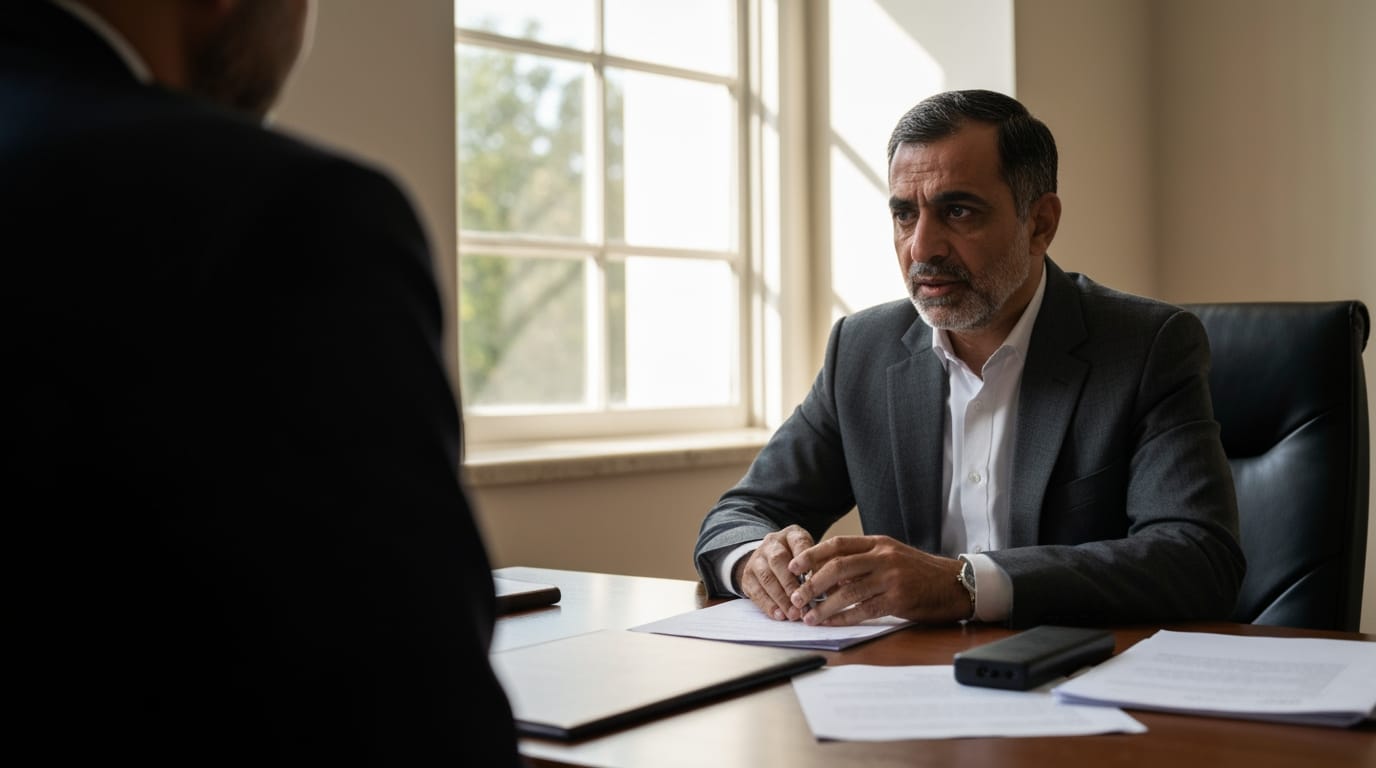
Urumqi, China – Diplomatic efforts to de-escalate surging tensions between Afghanistan and Pakistan have yielded "constructive" peace talks in Urumqi, China, according to Kabul. The negotiations, brokered by Beijing and reportedly involving other regional mediators, represent a critical attempt to halt months of deadly cross-border clashes that have claimed hundreds of lives and displaced thousands along the contentious 2,600-kilometer frontier. While Afghanistan's Foreign Ministry expressed cautious optimism, Pakistan underscored that the success of these discussions hinges on tangible actions from Kabul to curb militant groups operating from Afghan soil.
The latest round of dialogue, which commenced last week in the western Chinese city, comes in the wake of intensified military confrontations that began in February 2026. These hostilities have seen Pakistan launch airstrikes deep inside Afghanistan, including the capital Kabul, targeting alleged hideouts of the outlawed Tehreek-e-Taliban Pakistan (TTP). Conversely, Afghan forces have engaged in cross-border offensives, leading to a dangerous escalation that Pakistan declared an "open war" against its neighbor. The protracted violence underscores the deep-seated mistrust and complex challenges that continue to plague relations between the two South Asian nations.
The Diplomatic Front: Beijing's Mediation Efforts
China's initiative to host the peace talks in Urumqi signals a concerted international push to stabilize a volatile region. Following Beijing's invitation, a mid-level delegation from Afghanistan traveled to the city for negotiations, with Afghanistan's Foreign Ministry Deputy Spokesman Zia Ahmad Takal announcing on April 7, 2026, that discussions had been "constructive." This positive assessment from Kabul was accompanied by expressions of gratitude to China for its role in arranging the talks, alongside recognition for mediation efforts from Saudi Arabia, Turkey, Qatar, and the United Arab Emirates.
Pakistan, which confirmed its participation on April 3, 2026, has consistently maintained that dialogue is crucial, but has tied the efficacy of such talks directly to Afghanistan's willingness to address its security concerns. A Pakistani Foreign Ministry spokesperson stated that the "burden of a real process lies with Afghanistan, which must demonstrate visible and verifiable action against terrorist groups using Afghan soil against Pakistan." This stance reflects Islamabad's long-standing grievance that various militant factions, particularly the TTP, find refuge and operational bases within Afghanistan, from where they orchestrate attacks on Pakistani territory.
The current talks aim to establish a lasting ceasefire and facilitate the reopening of border crossings, which have been significantly disrupted by the conflict. Beyond immediate security concerns, discussions have also reportedly touched upon broader areas of political engagement, trade, transit, and regional development, including the potential extension of the China-Pakistan Economic Corridor (CPEC) into Afghanistan. Economic cooperation is seen by some as a pathway to stability, with Afghanistan emphasizing its desire to make its economy the cornerstone of its foreign policy, advocating for greater trust and practical measures among neighbors.
A Cycle of Violence: Cross-Border Hostilities Intensify
The backdrop to these diplomatic overtures is a sharp increase in cross-border violence. Since October 2025, skirmishes have erupted along the Afghanistan-Pakistan border, initially triggered by Pakistani airstrikes in Kabul targeting alleged TTP leaders. These actions drew swift retaliation from Afghan forces, escalating into what has become the largest conflict between the two nations since the Taliban’s return to power in 2021.
In February 2026, the conflict reached a critical point with renewed Pakistani air and ground strikes on Afghan military installations in Kabul, Kandahar, and along the border, prompting further cross-border offensives by Afghan forces. Pakistan has repeatedly justified its actions as necessary counter-terrorism operations to eliminate "militant safe havens" and prevent the "use of Afghan territory against Pakistan." Islamabad contends that the TTP, an ideological offshoot and ally of the Afghan Taliban, has been responsible for a surge in terror attacks inside Pakistan since August 2021.
Kabul, however, vehemently denies these allegations, asserting that militancy within Pakistan is an internal issue for Islamabad to resolve and that it remains committed to preventing its territory from being used by any terrorist organization against other countries. The humanitarian cost of this escalating conflict has been significant; the United Nations' office for the coordination of humanitarian affairs reported that the violence had displaced 94,000 people and left 100,000 others in border districts completely cut off since February. Reports have also emerged of civilian casualties, further exacerbating an already dire humanitarian situation.
Deep Roots of Distrust: A Shared but Divided History
The current crisis is deeply rooted in a complex and often adversarial history between Afghanistan and Pakistan, dating back to Pakistan's independence in 1947. A primary point of contention has always been the Durand Line, the 2,600-kilometer border drawn by the British colonial power. Pakistan considers this a settled international border, but successive Afghan governments, including the current Taliban administration, have never formally recognized it, maintaining that the original agreement was imposed and is void. This territorial dispute has fueled mistrust and hindered the normalization of bilateral ties for decades.
Historically, both nations have accused the other of supporting insurgent groups. During the Soviet-Afghan War, Pakistan became a refuge and training ground for mujahideen fighters, some of whom later evolved into radical groups. More recently, Pakistan has pointed to the resurgence of TTP attacks coinciding with the Afghan Taliban's return to power in 2021, perceiving it as a failure by Kabul to control militant groups. Conversely, Afghans have often accused Pakistan of "meddling in Afghan affairs" and supporting Islamist movements against progressive Afghan governments in the past. This cyclical blame game highlights the profound challenges in achieving a stable, cooperative relationship.
Previous attempts at fostering peace and cooperation have met with mixed success. In 2018, both countries emphasized counter-terrorism cooperation and trade, and called on the Taliban to join peace talks with the then-Afghan government. More recently, trilateral dialogues involving China have also focused on strengthening anti-terrorism cooperation and economic ties. However, the latest escalation underscores the fragility of these agreements when underlying issues remain unresolved.
Navigating the Path to Lasting Peace
While the "constructive" nature of the recent talks offers a glimmer of hope, the path to a lasting peace remains fraught with significant obstacles. Pakistan's demand for "visible and verifiable action" against the TTP is a critical prerequisite for de-escalation, but Kabul's persistent denial of harboring these groups complicates a straightforward resolution. The accusation that Afghanistan is attempting to "monetize" the TTP's existence to revive international aid flows, as suggested by some Pakistani officials, further illustrates the depth of suspicion.
The international community, particularly China, which has its own security concerns regarding militant groups in the region, plays a crucial role in mediating this complex relationship. Beijing's engagement, along with efforts from other regional powers, is vital in encouraging both sides toward practical solutions. However, any lasting solution will likely require a fundamental shift in trust and a concerted effort by both Afghanistan and Pakistan to genuinely address each other's security concerns, particularly regarding the issue of cross-border militancy.
The stakes extend beyond the immediate border region. The instability fuels regional insecurity, provides fertile ground for other militant organizations like al-Qaeda and Islamic State, and impedes economic development and regional connectivity. The current talks in China, while a positive step, are merely the beginning of what will undoubtedly be a long and arduous process to transform a relationship historically defined by conflict and suspicion into one based on cooperation and mutual respect. The well-being of millions of people on both sides of the Durand Line depends on the success of these delicate diplomatic endeavors.


