Africa CDC Deploys Innovative Vaccine Strategy as Bundibugyo Ebola Outbreak Surges in DRC
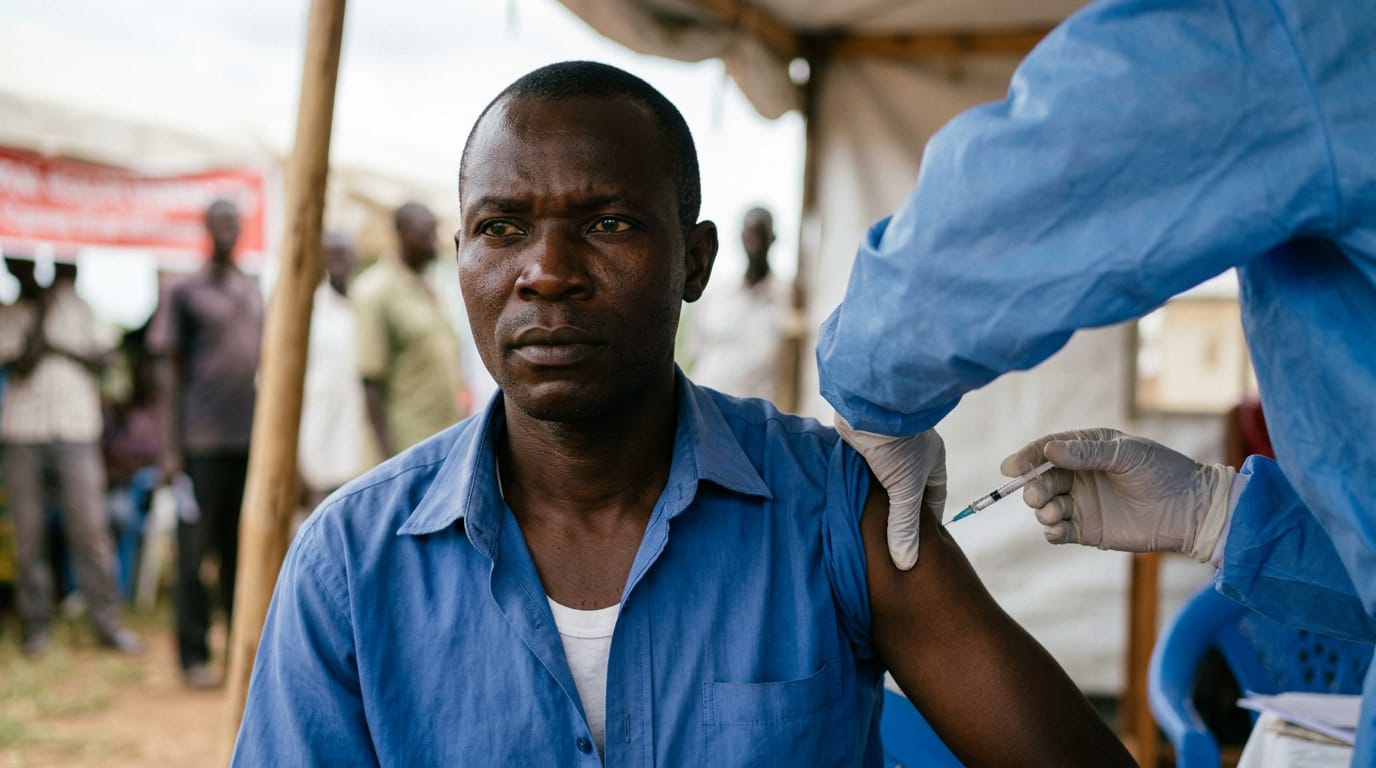
Health authorities across Africa are taking an unprecedented step in the fight against a rapidly expanding Ebola outbreak in the Democratic Republic of Congo (DRC), announcing plans to deploy a vaccine designed for a different strain of the virus. The move by the Africa Centres for Disease Control and Prevention (Africa CDC) underscores the escalating urgency of the crisis, which has become the second-largest Ebola outbreak on record, with over 4,000 cases and 1,800 deaths predominantly caused by the less common Bundibugyo strain. This bold strategy aims to leverage potential cross-protective immunity as the international community races against time to contain the highly transmissible and deadly disease.
The Alarming Scope of the Current Outbreak
The current Ebola outbreak, first reported on May 15, 2026, though suspected to have been spreading since January, has gripped the eastern provinces of Ituri and North Kivu in the Democratic Republic of Congo. As of early August, the national public health institute of the DRC reported 3,973 cases and 1,801 deaths, numbers that Africa CDC Director-General Dr. Jean Kaseya confirmed had topped 4,000 cases. This rapid escalation places immense pressure on an already fragile healthcare system, exacerbated by persistent challenges including insecurity, the displacement of populations, and significant delays in detecting cases. A substantial number of infections are occurring within communities, often during traditional funerals and unsafe burial practices, further complicating containment efforts. The Bundibugyo strain, for which no licensed vaccine or specific treatment currently exists, presents a unique and formidable challenge to global public health.
An Unconventional Approach to Vaccination
In a critical strategic shift, the Africa CDC has announced its intention to begin testing and potentially deploying Ervebo, a vaccine developed by Merck & Co. and licensed for use against the Zaire strain of Ebola, in the affected provinces. This decision is based on emerging data suggesting that individuals previously vaccinated with Ervebo showed a "level of protection" against the Bundibugyo strain, with some reports indicating "zero death" among those who had received the Zaire-specific jab. This observation hints at the possibility of cross-protective immunity, offering a beacon of hope in a crisis where a targeted vaccine remains unavailable. Officials from Africa CDC stressed that public health measures alone would not be sufficient to quickly halt the outbreak, necessitating this innovative approach. This rapid deployment represents a calculated risk and an urgent measure to slow the spread of a virulent disease that shows no signs of abating.
Broadening the Response: Treatment and Community Engagement
Beyond the innovative vaccine strategy, the comprehensive response plan to the Bundibugyo outbreak includes several critical components designed to bolster public health infrastructure and empower local communities. The Democratic Republic of Congo government plans to introduce free healthcare services in the Ebola-affected regions of Ituri and North Kivu, covering essential medicines, protective equipment, and operational funding across public, private, and faith-based facilities. This initiative also prioritizes the timely payment of salaries and risk allowances for frontline health workers, a crucial step in maintaining morale and ensuring sustained efforts in hazardous conditions.
Furthermore, the response will expand the compassionate use of the antiviral drug remdesivir, which has shown promise in treating Ebola. Uganda's recent success in clearing its Ebola cases, with a reported 10 percent case fatality rate, was partially attributed to its use of remdesivir, highlighting its potential efficacy. This dual approach of strategic vaccination and targeted treatment reflects a concerted effort to mitigate the disease's impact on both a preventative and curative front.
A fundamental overhaul of the response model emphasizes a shift towards a village-centered approach. This strategy seeks to integrate traditional and religious leaders, community health workers, women's and youth groups, and Ebola survivors into the core of containment efforts. These local stakeholders will play a pivotal role in identifying suspected cases, tracing contacts, promoting safe burial practices, and encouraging early treatment-seeking behavior. This community-led model is intended to foster trust and address the historical challenges of community resistance and misinformation that have often hampered previous outbreak responses. The plan also ensures that operational and financial support flows directly to these communities, reinforcing their capacity to respond effectively.
The Ongoing Quest for a Bundibugyo-Specific Solution
While deploying Ervebo offers immediate hope, the long-term goal remains the development of a vaccine and specific treatments tailored to the Bundibugyo strain. The Africa CDC has set an ambitious target, aiming to have a Bundibugyo-specific vaccine and medicine ready by the end of 2026. Health authorities are accelerating research efforts, with candidate shots undergoing evaluation, including studies to definitively assess Ervebo’s cross-protective immunity against the Bundibugyo strain. The World Health Organization (WHO), in collaboration with Africa CDC, is working to design and implement clinical trials under strict ethical standards, stressing that experimental vaccines and treatments for Bundibugyo should currently only be used within these trial frameworks.
The international community has rallied to support these efforts, with donors mobilizing over $420 million for the outbreak response. The United States has further pledged an additional $242 million to aid disease containment, regional preparedness, and humanitarian assistance. These funds are critical for sustaining the comprehensive six-month plan, which was agreed upon following a joint mission by the WHO and Africa CDC to Uganda and eastern Congo. The measures are set to take effect immediately, with a detailed implementation plan expected ahead of a progress review in October. This multi-faceted and internationally supported response highlights the grave nature of the Bundibugyo outbreak and the global determination to bring it under control.
The decision by Africa CDC to use a Zaire-strain vaccine against a Bundibugyo outbreak marks a critical juncture in the fight against Ebola in the DRC. This innovative strategy, coupled with expanded treatment options and a renewed focus on community-led interventions, underscores the urgent and adaptive nature of the public health response. While the long-term goal of a Bundibugyo-specific vaccine remains in sight, the immediate deployment of existing tools, guided by promising data, represents a pragmatic and hopeful step towards containing a formidable health crisis. The concerted efforts of national and international bodies, bolstered by substantial funding, reflect a unified commitment to safeguarding public health across the African continent.


