African Teams Face Russia on the Football Pitch Amidst Geopolitical Complexities
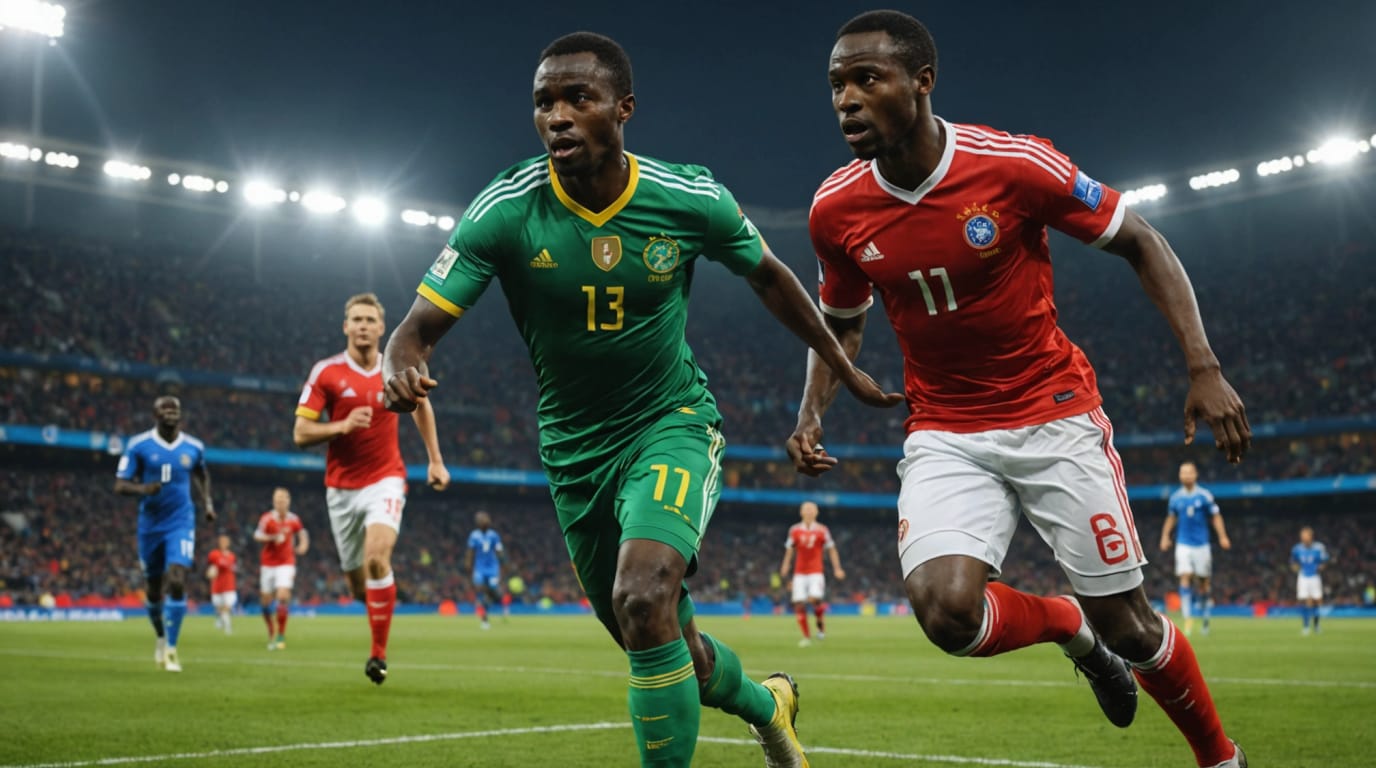
In a move that has sparked both interest and controversy, several African football teams are engaging in friendly matches against Russia. This comes at a time when Russia faces international sanctions and condemnation following its invasion of Ukraine in February 2022. While football is often seen as a unifying force, these matches highlight the complex geopolitical landscape and the diverse relationships between African nations and Russia.
FIFA's Stance and the Scope of the Ban
Following the invasion of Ukraine, FIFA and UEFA, the governing bodies of international and European football respectively, suspended Russian teams from participating in their competitions. This ban meant that Russian national and club teams were barred from events like the World Cup qualifiers and European championships. However, the ban did not explicitly forbid friendly matches, creating a loophole that has allowed Russia to continue playing against other nations.
In October 2023, FIFA eased its stance, allowing Russian youth teams (under-17) to participate in international tournaments under specific conditions. These conditions include playing under the name "Football Union of Russia" and without the Russian flag, anthem, or colors. This decision, however, was met with criticism and threats of boycotts from some European countries.
African Nations Stepping onto the Field
Despite the international condemnation and sporting sanctions, several African nations have agreed to play friendly matches against Russia. These include Cameroon, Kenya, Egypt (at the U-23 level), Zambia, Guinea, Senegal and Nigeria. In March 2025, Zambia played Russia in Moscow, and Nigeria is scheduled to play a friendly against Russia in June 2025. These decisions have raised eyebrows and sparked debate within the football federations and among fans.
The Nigeria Football Federation (NFF) has reportedly agreed to terms for a friendly game against Russia, believing that it will not have any negative consequences, as other African teams have already played against Russia since the ban. However, this decision has reportedly divided the NFF, with some members questioning the rationale behind playing a nation under a FIFA ban.
Reasons Behind the Matches
Several factors contribute to the decisions of African teams to play against Russia:
- Historical Ties: Russia, particularly during the Soviet era, has a history of supporting African nations in their struggles against colonialism. This has fostered long-term relationships and a sense of solidarity between Russia and some African countries. The Soviet Union provided political support, financial aid, military assistance, and training to various African nations.
- Economic and Political Alliances: In recent years, Russia has been actively strengthening its ties with African countries through economic partnerships, military cooperation agreements, and diplomatic support. Many African governments have welcomed these ties, viewing Russia as a valuable partner for economic development, security, and political influence.
- Defiance of Western Pressure: Some African nations view Western criticism of their relationship with Russia as interference in their sovereign affairs. By engaging with Russia, these countries may be signaling their independence and a desire to diversify their international partnerships.
- Financial Incentives: While not explicitly stated, financial incentives could also play a role in these decisions. Friendly matches can generate revenue through broadcasting rights, sponsorships, and ticket sales, which can be attractive to football federations in developing countries.
- Preparation for Competitions: Some African teams view these friendlies as valuable opportunities to prepare for upcoming competitions, such as the Africa Cup of Nations (AFCON) and World Cup qualifiers. Playing against a team like Russia, despite the circumstances, can provide a competitive test and help improve team performance.
Implications and Reactions
The decision of African teams to play against Russia has several implications:
- Reputational Risks: These matches could damage the reputation of the African teams involved, particularly in the eyes of Western nations and organizations that have strongly condemned Russia's actions in Ukraine.
- Potential Sanctions: While FIFA has not explicitly banned friendly matches with Russia, there is a risk that it could impose sanctions on teams that engage in such games, especially if there is significant pressure from other member associations.
- Solidarity with Ukraine: These matches can be seen as undermining international efforts to isolate Russia and show solidarity with Ukraine. This could strain relationships between African nations and countries that are strongly supporting Ukraine.
- Internal Divisions: As seen in the case of Nigeria, these decisions can create divisions within football federations and among fans, reflecting broader debates about foreign policy and international relations.
- Geopolitical Signaling: The matches serve as a geopolitical signal, indicating that some African nations are willing to maintain ties with Russia despite Western pressure and condemnation. This reflects a multipolar world where countries are increasingly diversifying their alliances and pursuing their own interests.
Russia's Growing Influence in Africa
The willingness of some African teams to play against Russia is indicative of Russia's growing influence on the continent. In recent years, Russia has been actively expanding its presence in Africa through various means:
- Military Cooperation: Russia has signed military cooperation agreements with at least 19 African countries since 2014, involving the supply of arms and equipment, military training, and intelligence sharing.
- Economic Partnerships: Russia is increasingly involved in Africa's oil and mining sectors, although its overall trade with the continent remains relatively small compared to other major players like the European Union and China.
- Political Support: Russia has provided diplomatic support to countries facing international criticism over human rights issues and has sought to build alliances with nations that feel marginalized in global forums.
- Security Assistance: Russia has offered security assistance to countries facing political unrest and security challenges, often without interfering in their internal politics, making it an appealing partner in places like Mali, Niger, and Burkina Faso.
- Propaganda and Disinformation: Russia has been accused of using propaganda and disinformation campaigns to destabilize governments, fuel tensions, and advance its interests in Africa.
Conclusion
The decision of African football teams to play against Russia is a complex issue with multiple factors at play. It reflects historical ties, economic and political alliances, defiance of Western pressure, and the pursuit of sporting and financial opportunities. These matches highlight the diverse relationships between African nations and Russia and the challenges of navigating a complex geopolitical landscape. While football is often seen as a unifying force, in this case, it underscores the divisions and competing interests that exist in the international arena. The implications of these matches are far-reaching, potentially affecting the reputations of the teams involved, their relationships with other nations, and the broader efforts to address the conflict in Ukraine.


