African Union Grapples with 'Genocide' Classification and its Implications
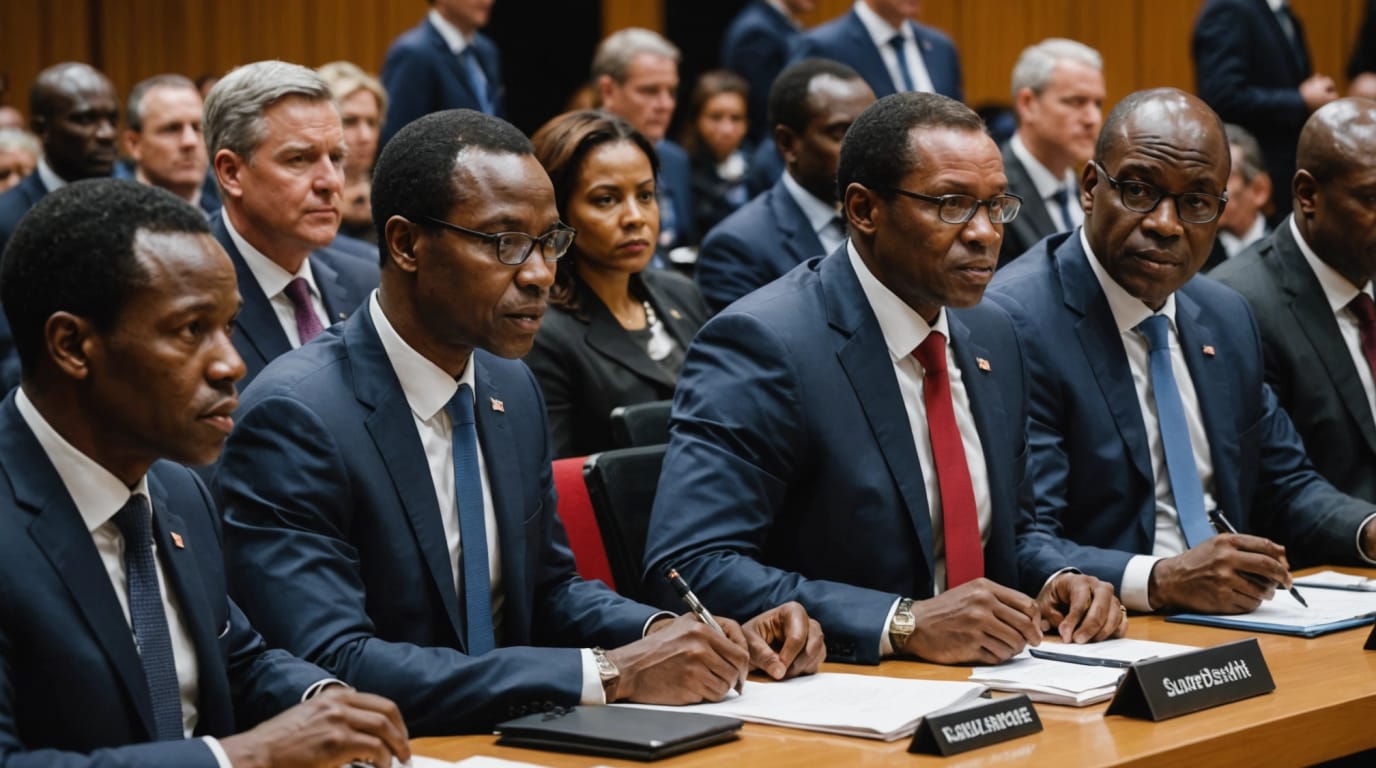
The African Union (AU) is currently navigating the complex implications of classifying historical events such as slavery, deportation, and colonization as crimes against humanity and acts of genocide. This decision, adopted during the 38th Ordinary Session of the Conference of Heads of State and Government in February 2025, has sparked both commendation and debate, raising questions about its potential effects on the continent's future and its relationships with the wider world.
A Landmark Decision: Recognizing Historical Injustices
The AU's decision to classify slavery, deportation, and colonization as crimes against humanity and acts of genocide represents a significant step toward acknowledging the profound and lasting impact of these historical injustices on African peoples. Algeria, which endured 132 years of colonial rule, has strongly supported this decision, viewing it as a crucial step in the pursuit of recognition, justice, and reparations for the crimes suffered by African populations. Algeria, along with South Africa, Togo, and Ghana, has been mandated by the African Summit to ensure the implementation of this decision at the international level.
This classification aligns with the AU's broader commitment to promoting human rights, democracy, and good governance across the continent. Agenda 2063, the AU's blueprint for transforming Africa into a global powerhouse, envisions a continent where there is a universal culture of good governance, democratic values, gender equality, and respect for human rights, justice, and the rule of law.
Potential Impacts on International Relations
The AU's classification of historical events as genocide could have far-reaching implications for its international relations. By formally recognizing the atrocities of the past, the AU may seek to hold former colonial powers accountable for their actions and demand reparations for the damages inflicted on African societies. This could strain relationships with some Western nations, particularly those that benefited from the slave trade and colonization.
However, the AU's stance could also strengthen its alliances with other nations that have experienced similar forms of historical injustice. By forging a united front, these countries could collectively advocate for greater recognition of their shared experiences and demand redress for past wrongs.
Challenges and Criticisms
Despite the potential benefits of the AU's decision, it also faces several challenges and criticisms. One concern is the lack of a universally agreed-upon definition of genocide, which could lead to disputes over the classification of specific historical events. Some scholars argue that applying the term "genocide" to slavery and colonization may dilute its meaning and undermine its significance in the context of more recent atrocities.
Another challenge is the potential for the AU's decision to be interpreted as an attempt to rewrite history or to assign blame for past actions. Critics may argue that focusing on historical injustices could distract from the pressing challenges facing the continent today, such as poverty, conflict, and disease.
Furthermore, the AU has been criticized for its inconsistent response to crises and human rights violations across the continent. Despite its stated commitment to protecting civilians and preventing atrocities, the AU has at times failed to take concrete action to address widespread abuses, citing the principle of subsidiarity to regional bodies as a rationale for inaction.
The Role of the African Union in Conflict Resolution and Prevention
The African Union has a crucial role in conflict resolution and prevention on the continent. The Peace and Security Council (PSC) is the key AU organ for promoting peace and security, serving as the standing decision-making body for the prevention, management, and resolution of conflicts. The PSC is also the key pillar of the African Peace and Security Architecture (APSA), which provides the framework for promoting peace, security, and stability in Africa.
The AU utilizes various mechanisms and tools for conflict resolution, including mediation, early warning systems, and alliances with domestic and foreign organizations. The Continental Early Warning System (CEWS) is responsible for data collection and analysis, providing timely advice on potential conflicts and threats to peace and security in Africa to AU decision-makers. The AU also has a special envoy for the prevention of genocide and mass atrocities, who works to develop strategies to stop atrocities and protect civilians.
Moving Forward: Balancing Justice and Reconciliation
As the AU moves forward with its classification of historical events as genocide, it will be crucial to strike a balance between seeking justice for past wrongs and promoting reconciliation and cooperation. The AU must engage in open and transparent dialogue with all stakeholders, including former colonial powers, to address the complex issues surrounding historical injustices.
The AU should also focus on strengthening its capacity to prevent and respond to contemporary conflicts and human rights violations. This includes investing in early warning systems, promoting good governance and the rule of law, and ensuring accountability for perpetrators of atrocities.
By addressing both the legacies of the past and the challenges of the present, the African Union can pave the way for a more just, peaceful, and prosperous future for the continent. The classification of slavery, deportation, and colonization as crimes against humanity and acts of genocide is a significant step in this direction, but it is only one piece of a much larger puzzle. The AU must continue to work diligently to promote human rights, democracy, and development across Africa, while also fostering strong and mutually beneficial relationships with the rest of the world.


