African Youth: A New Vanguard for Democracy on the Continent
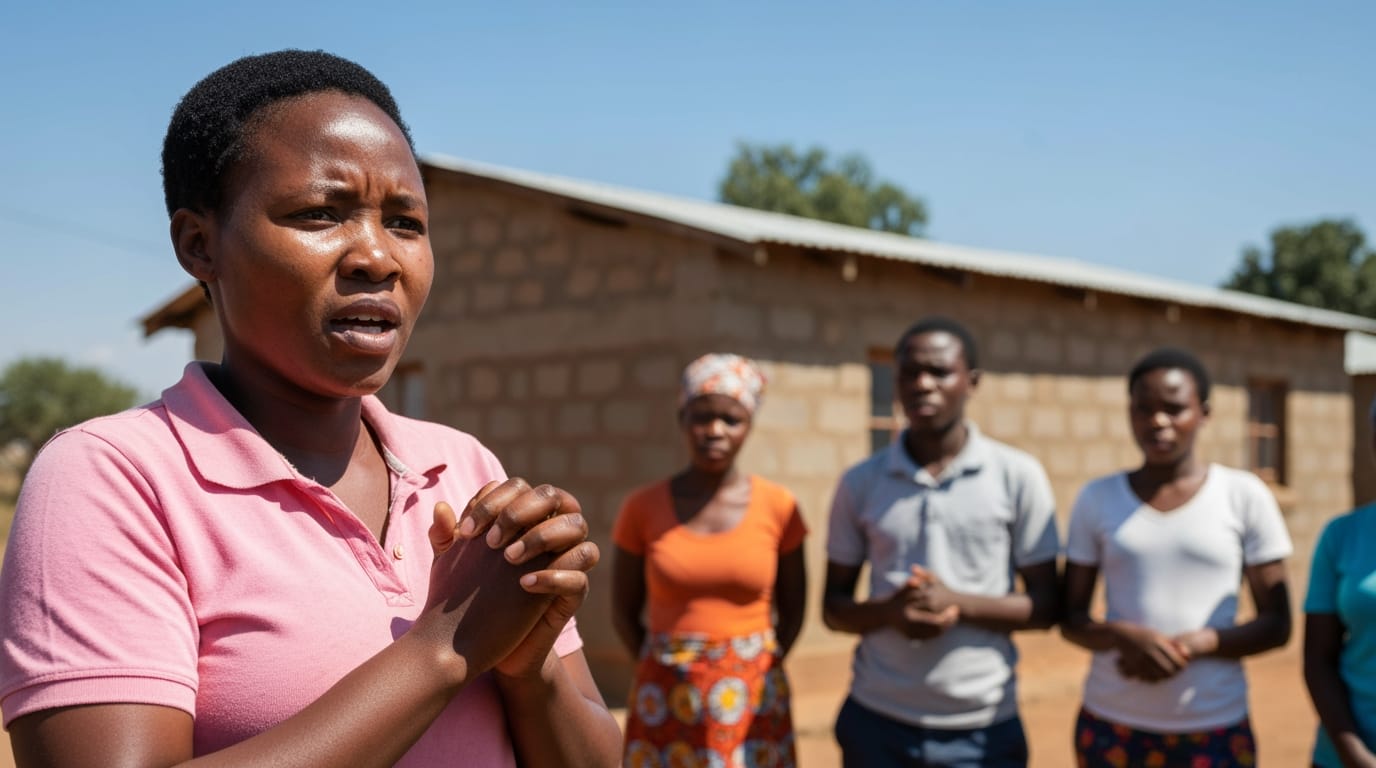
Africa, the world’s youngest continent, is witnessing a profound democratic awakening driven by its burgeoning youth population. With a significant majority of its inhabitants under the age of 35, young Africans are increasingly stepping into the political arena, not merely as passive observers but as active architects of change. Disillusioned with persistent governance failures, economic stagnation, and political marginalization, this dynamic demographic is leveraging innovation and collective action to demand accountability, transparency, and genuinely inclusive democratic processes, fundamentally reshaping the political landscape across the continent.
The Unignorable Force: Motivations for Change
The sheer demographic weight of Africa’s youth underscores their potential influence. Over 60% of the continent’s population is under 25, and a third is between 15 and 35 years old, translating to a median age of just 19 years. Despite this numerical dominance, young people have often found themselves sidelined from traditional political participation, with average leadership ages often decades older than the median citizen. This generational disconnect fuels widespread frustration.
A primary catalyst for youth activism is profound dissatisfaction with the status quo. Many young Africans feel that current governance structures have failed to deliver on promises of economic development and opportunity. High unemployment rates, limited job prospects, and inadequate living conditions are pressing concerns, often making daily survival a priority over political engagement. Moreover, pervasive corruption, mismanagement of public resources, and a perceived lack of accountability from political leaders contribute to a deep-seated cynicism about traditional politics.
Despite this disillusionment with how democracy often functions in practice, the commitment to democratic ideals remains strong among African youth. Surveys reveal that approximately 64% of young Africans prefer democracy over any other system of government, with strong majorities rejecting dictatorship (80%) and military rule (65%). This preference for democratic governance is not merely theoretical; it underscores a fundamental belief in the right to participate in shaping their nations' futures. However, a significant portion, 56% of those aged 18–35, would consider supporting military intervention if elected leaders abuse power, a statistic interpreted not as support for authoritarianism but as a stark indicator of frustration with unaccountable governance and weak institutions. This desire for genuine, responsive leadership forms the bedrock of their pro-democracy efforts.
A Spectrum of Strategies: Digital and Grassroots Mobilization
African youth are not passively awaiting change; they are actively driving it through a diverse array of innovative strategies. Central to their efforts is the strategic adoption of digital technologies. Social media platforms such as Twitter (now X), Facebook, WhatsApp, Instagram, and TikTok have become indispensable tools for political mobilization, information sharing, and holding leaders to account in real-time. These platforms enable rapid organization of protests, bypass traditional state-controlled media, and facilitate cross-border solidarity. Notable examples include the #EndSARS movement in Nigeria against police brutality, the #RejectFinanceBill2024 and #RutoMustGo protests in Kenya opposing controversial tax hikes, and Ghana's #FixTheCountry campaign addressing economic woes. These hashtag-driven campaigns demonstrate the power of digital activism in amplifying marginalized voices and putting pressure on governments.
Beyond digital activism, youth engagement manifests in vigorous grassroots movements and street protests. Across the continent, young people are taking to the streets to demonstrate against corruption, demand better public services, and oppose attempts by leaders to extend presidential term limits. Historic movements such as "Y'en a Marre" ("Enough is Enough") in Senegal, "Le Balai Citoyen" (The Citizen's Broom) in Burkina Faso, and the #FeesMustFall student movement in South Africa illustrate the tangible impact of youth-led public demonstrations in forcing political concessions and driving national conversations. These movements often employ creative cultural expressions, including rap music and graffiti, to articulate their grievances and mobilize their peers.
Furthermore, young Africans are increasingly engaging with formal electoral processes. Initiatives like Nigeria's "Not Too Young to Run" movement have successfully advocated for lowering age requirements for political office, encouraging more youth to run for elected positions. Electoral Management Bodies (EMBs) in various countries are recognizing the critical role of youth and are developing strategies to enhance their participation as voters, candidates, and electoral officials. Beyond direct political participation, youth are also engaged in civic education, using digital platforms to inform citizens about their rights, encourage voter registration, and promote issue-based political discourse. Organizations like BudgIT in Nigeria, Odekro in Ghana, and Mzalendo in Kenya utilize open data to monitor government budgets and legislative actions, fostering transparency and accountability.
Navigating Hurdles: Challenges and Resilience
Despite their fervent efforts, African youth face considerable systemic barriers in their quest for democratic consolidation. A significant challenge lies in their underrepresentation within formal political institutions. Age limits for candidacy, coupled with a lack of financial resources and established political networks, often exclude young people from parliamentary seats and party leadership positions. This marginalization can lead to feelings of being unheard and can undermine their faith in the efficacy of traditional political pathways.
Moreover, a shrinking civic space across many African nations poses a direct threat to youth activism. Governments frequently resort to restricting civic freedoms, criminalizing dissent, and employing digital surveillance to monitor and suppress activists. Instances of police brutality against protestors, as witnessed in Kenya and other countries, highlight the significant risks involved in demanding change. Internet shutdowns, a tactic used to quell protests and control information flow, further impede digital mobilization efforts.
Economic constraints also present a formidable obstacle. High youth unemployment rates mean that many young people are primarily focused on securing basic necessities, limiting their capacity for sustained political engagement. Furthermore, while digital tools offer vast opportunities, disparities in internet access and digital literacy can create divides within the youth population. The sustainability of youth initiatives can be fragile, often hampered by limited funding and the constant threat of state interference.
There is also the complex phenomenon of "youthlash" – a counteraction against older political generations and systems. While this can manifest as increased disengagement from politics, it also encompasses instances where youth, frustrated with democratic failures, may support non-democratic avenues, including military interventions or coups led by younger officers. This highlights the precarious balance between frustration and the embrace of potentially destabilizing alternatives.
Shaping Africa’s Democratic Trajectory
The impact of African youth on governance is undeniable and increasingly pivotal for the continent's future. Their movements have spurred tangible policy changes, such as the withdrawal of controversial legislation in Kenya, and have significantly heightened demands for governmental accountability. Beyond national borders, youth activism is fostering a nascent form of continental governance. By translating country-specific grievances into region-wide demands, young people are pushing bodies like the African Union to establish harmonized standards for electoral integrity, digital rights, and youth representation. This collective pressure aims to embed more durable, democratic structures that transcend individual electoral cycles and leadership changes.
African youth are not simply reacting to political dysfunction; they are actively reimagining what democracy can and should look like on the continent. Their innovative use of technology, coupled with unwavering resilience in the face of repression, offers a beacon of hope for more inclusive and accountable governance. Ensuring their meaningful participation—not merely as agitators but as policymakers, innovators, and leaders—is crucial. Institutions like the African Union are increasingly called upon to champion youth representation and provide robust support for their involvement in democratic processes. Policies that promote responsible AI and data use are also being advocated to enhance civic engagement and protect online rights.
In conclusion, the energy, creativity, and determination of Africa's youth represent a powerful, transformative force. Despite formidable challenges ranging from political marginalization to state repression and economic hardship, young Africans are relentless in their pursuit of genuine democracy. Their diverse strategies, from digital activism to grassroots organizing and electoral engagement, are not only disrupting old political orders but also laying the groundwork for a more participatory, transparent, and equitable future for the entire continent. Their ongoing struggle is a testament to the enduring human desire for self-determination and good governance.


