Africa's Peacekeepers: Maintaining Order Amidst Shifting Alliances and Diminishing UN Presence
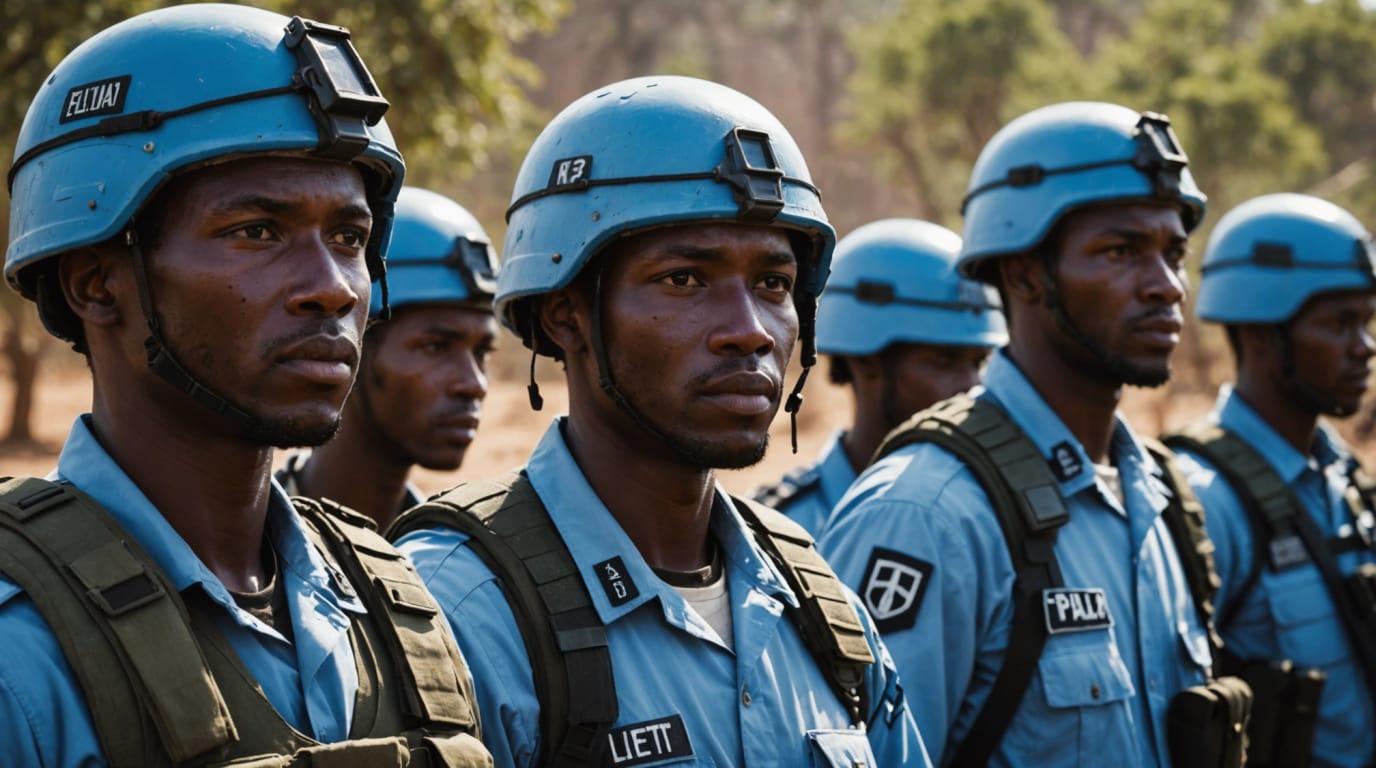
As the United Nations scales back its peacekeeping operations in Africa, the responsibility for maintaining order increasingly falls on the shoulders of the African Union (AU) and regional bodies. This transition occurs amidst a complex and evolving security landscape marked by escalating violence, the rise of jihadist groups, political instability, and a growing disregard for international humanitarian law. With the departure of significant UN missions and the emergence of new security initiatives, the question remains: who is left to maintain order in Africa?
The Waning UN Footprint
The United Nations' once-dominant role in African peacekeeping is diminishing. No new UN mission has been authorized in Africa in nearly a decade, and the drawdown of the UN mission in Mali (MINUSMA) and the Democratic Republic of Congo (MONUSCO) leaves only a handful of active UN missions on the continent. This decline is attributed to several factors, including a divided UN Security Council, perceived limitations of large, multidimensional UN-sponsored missions, and financial constraints. The closure of MINUSMA and MONUSCO alone consumed 35% of the annual UN peacekeeping budget.
Critics have also accused UN missions of failing to stabilize the security situation in some countries. In Mali, the government declared that UN operations had failed and demanded the withdrawal of troops. Similarly, in the DRC, violent protests erupted against MONUSCO, with protesters accusing the mission of failing to protect the population from armed groups. Allegations of misconduct, including sexual abuse and exploitation of civilians, have further tarnished the reputation of UN peacekeeping operations in Africa.
The Rise of African-Led Peace Operations
As the UN's presence wanes, African-led peace support operations (PSOs) are growing in number and scope. Since 2000, 38 African-led PSOs have been authorized, deploying to 25 countries. The AU has been the most active supporter, authorizing 22 missions, followed by regional economic communities (RECs) such as the Economic Community of West African States (ECOWAS) and the Southern Africa Development Community (SADC). These operations range in size from small observer missions to large-scale interventions involving thousands of personnel.
African-led PSOs offer several advantages over traditional UN peacekeeping missions. They can deploy more rapidly and at a lower cost. They often exhibit greater doctrinal flexibility, deploying in the absence of a peace process or agreement. They demonstrate improved coordination among African security forces in addressing cross-border security challenges. Furthermore, African-led operations can be more responsive to specific threats, such as militant Islamist groups, which the UN has sometimes refrained from confronting directly.
Challenges and Opportunities for African Peacekeepers
Despite their growing prominence, African-led PSOs face significant challenges. One of the most pressing is funding. While the UN Security Council has recently agreed to consider funding AU-led peace operations, the bulk of their financial support still comes from external donors. This financial dependency can limit the autonomy and independence of regional PSOs, affecting their discretion over mission timelines, scope, and mandates.
Another challenge is maintaining standards of professionalism and accountability. Some AU and regional missions have been accused of human rights violations, corruption, and extrajudicial killings. Strengthening oversight mechanisms and ensuring adherence to international humanitarian law are crucial for maintaining the legitimacy and effectiveness of African-led PSOs.
Despite these challenges, the rise of African-led PSOs presents significant opportunities for enhancing peace and security on the continent. These operations foster localized ownership over conflict management, improve cooperation between regional security forces, and enable rapid responses to emerging crises. The AU's willingness to challenge international peacekeeping doctrine allows regional actors to adapt to the complexities of 21st-century armed conflict.
Regional Actors and Emerging Security Frameworks
Beyond the AU, regional actors such as ECOWAS, the East African Community (EAC), and SADC play a vital role in maintaining order within their respective regions. ECOWAS, in particular, has a history of successful military interventions to restore constitutional order in West Africa. The bloc has intervened in countries such as Liberia, Sierra Leone, and The Gambia to address political instability and prevent conflict.
However, regional security frameworks are also facing challenges. In the Sahel, the formation of the Alliance of Sahel States (AES) – comprising Mali, Burkina Faso, and Niger – and their exit from ECOWAS has weakened regional counterterrorism efforts. This fragmentation has created a security vacuum exploited by jihadist groups and complicated regional dynamics.
Amidst these shifting alliances, new security initiatives are emerging. China's Global Security Initiative (GSI), launched in 2022, offers a new framework for cooperation, emphasizing sovereignty, non-interference, and collective stability. The GSI could potentially bridge fragmented security frameworks and provide resources to tackle crises, but its success hinges on balancing China's support with African agency and navigating geopolitical rivalries.
The Future of Peacekeeping in Africa
The future of peacekeeping in Africa is likely to involve a combination of UN support, African-led initiatives, and regional security frameworks. The UN will likely focus on providing support packages for African-led peacekeeping, co-deploying with African-led military operations, and maintaining less risky and costly political missions. African-led PSOs will continue to grow in importance, addressing specific threats and adapting to the complexities of local conflicts. Regional actors will play a crucial role in maintaining stability within their respective regions, while new security initiatives like the GSI could offer additional resources and support.
However, the success of these efforts will depend on addressing the challenges of funding, accountability, and coordination. Strengthening the financial capacity of the AU and regional bodies, ensuring adherence to international humanitarian law, and fostering greater cooperation between different actors are essential for maintaining order and promoting lasting peace in Africa.
Conclusion
As the UN reduces its peacekeeping footprint in Africa, the responsibility for maintaining order is increasingly shifting to African actors. While African-led peace operations and regional security frameworks offer promising solutions, they face significant challenges in terms of funding, accountability, and coordination. The future of peacekeeping in Africa will depend on addressing these challenges and fostering greater collaboration between the UN, the AU, regional bodies, and emerging security initiatives. Only through a concerted and coordinated effort can Africa effectively manage its complex security challenges and build a more peaceful and stable future.


