Africa's Unfinished Story: How Trade with Europe Perpetuates Economic Imbalance
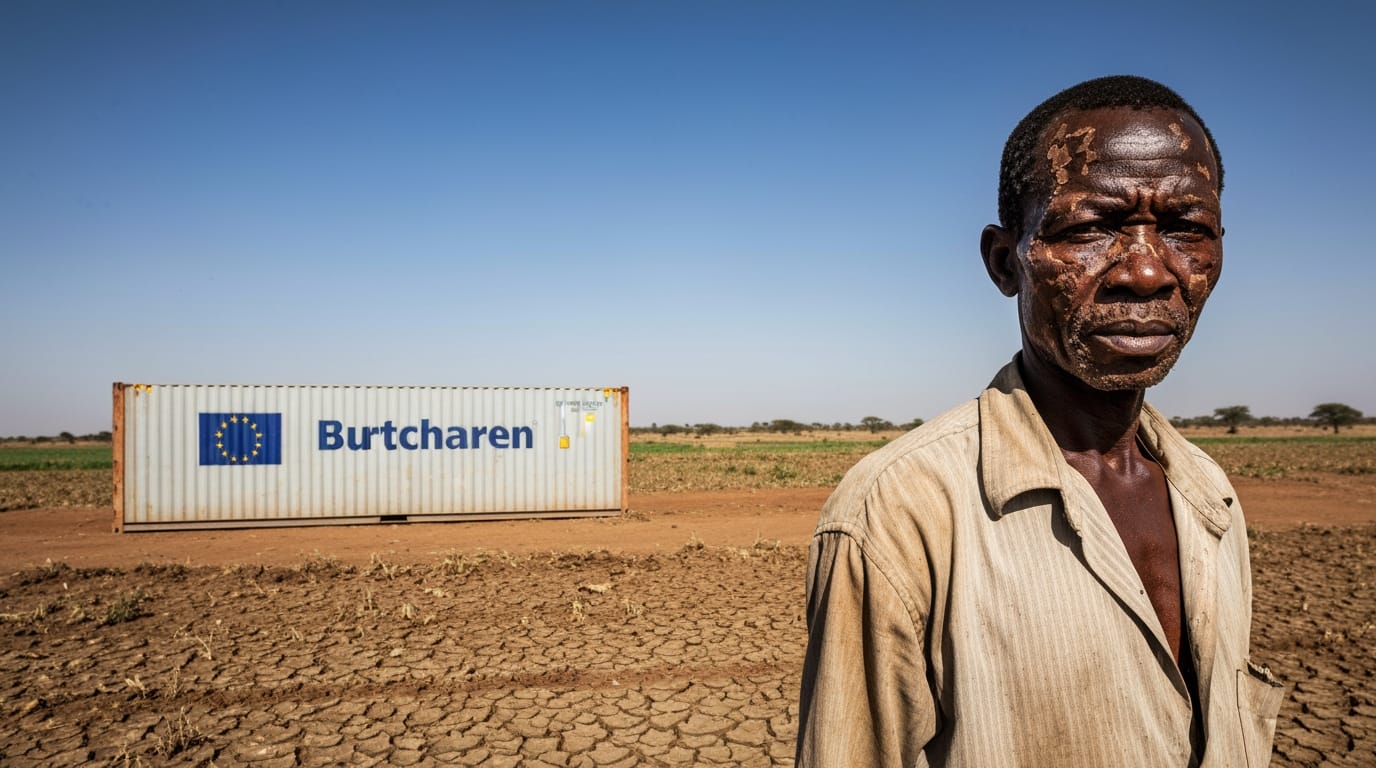
Africa, a continent rich in natural resources and human potential, continues to grapple with a trade relationship with Europe that many critics describe as fundamentally imbalanced. Despite decades of various trade agreements and initiatives, the pattern largely remains: Africa exports raw materials and agricultural products, while Europe supplies manufactured goods and processed foods. This structural disparity, rooted in historical precedents and perpetuated by contemporary policies, significantly shortchanges African economies, stifling industrialization, job creation, and sustainable development across the continent.
The Enduring Imbalance: Raw Materials Out, Finished Goods In
The trade dynamic between Africa and Europe is characterized by a stark asymmetry in the types of goods exchanged. African nations predominantly export primary commodities such as minerals, crude oil, and unprocessed agricultural products like green coffee beans. In return, they import higher-value manufactured goods, machinery, pharmaceutical products, and processed foods from the European Union. This pattern is not new; African countries have historically been "chained to raw materials exports" and continue to provide a ready market for European finished goods.
The consequences of this arrangement are profound. For instance, in 2019, Uganda earned only $470 million from exporting over 250,000 tonnes of coffee, while Switzerland, a leading processor, generated approximately $2.2 billion from processing and re-exporting just 80,000 tonnes. This stark contrast underscores the lost revenue and missed opportunities for value addition within Africa. Similarly, Africa imports a staggering 80% of its food, despite being a continent with vast agricultural potential, directly impacting local farmers who struggle to compete with cheaper, often subsidized, imports. While the overall trade balance between the EU and Africa fluctuates, with the EU sometimes experiencing a slight negative balance in recent years (e.g., a €23.2 billion deficit in 2024 for 2023 trade, largely due to a decrease in EU imports), the long-term trend often reveals a trade surplus in favor of the EU, totaling €96 billion between 2011 and 2020. Some reports from 2024 indicate Europe still holds a significant trade surplus of €25 billion annually with Africa, reflecting the persistent structural disadvantage faced by the continent.
Policy Levers: Tariffs, Subsidies, and Restrictive Market Access
Several European trade policies and practices actively contribute to this imbalance. A significant factor is tariff escalation, where the EU imposes higher tariffs on processed goods compared to raw materials. For example, the EU levies "punishing tariff charges" on roasted African coffee but not on unroasted green beans. This policy deters African producers from investing in processing technology, effectively forcing them to export raw commodities and preventing them from moving up the manufacturing value chain. While African raw agricultural materials often enter the EU duty-free, access for processed products remains limited due to complex rules of origin and stringent social and hygiene standards. These non-tariff barriers, while necessary for consumer protection, can be opaque and challenging for African producers to meet without adequate support.
Agricultural subsidies within the European Union, particularly under its Common Agricultural Policy (CAP), have historically been another contentious issue. In the past, export subsidies and coupled payments led to EU agricultural surpluses, which were then offloaded onto African markets at low prices. This undermined local African agricultural sectors, making it difficult for smallholder farmers to compete and hindering the development of competitive domestic production. While the EU largely abolished trade-distorting export subsidies in 2017, direct payments to EU farmers still constitute a significant portion of their income (up to 50%), allowing them to maintain production levels that might otherwise be uncompetitive. This continues to exert pressure on African agricultural development, despite efforts to shift towards more environmentally friendly CAP policies that could dampen EU agricultural exports.
Economic Partnership Agreements: A Question of True Partnership
Economic Partnership Agreements (EPAs) are reciprocal free trade agreements negotiated between the EU and various African, Caribbean, and Pacific (ACP) countries since 2002. Marketed as pathways to industrialization and development, EPAs have instead drawn significant criticism for being unfair and perpetuating a "colonial framework." These agreements typically require African countries to open approximately 80% of their markets to European goods and services within a decade.
Critics argue that EPAs undermine African industrialization by exposing nascent industries to overwhelming competition from cheaper, often superior, European goods. This liberalization can cripple local production, particularly in sensitive sectors like agriculture and manufacturing, affecting small-scale farmers and preventing the growth of local industries. Moreover, EPAs have been criticized for fragmenting African regional integration efforts. By encouraging individual countries or regional blocs to negotiate separate bilateral agreements with the EU, EPAs can divert attention and resources away from fostering intra-African trade, which is crucial for continent-wide economic development. The focus on preferential access to European markets can slow down regional integration and make African nations more reliant on external trade rather than building robust internal markets.
The Human and Economic Cost: Hindering Development
The perpetuation of this imbalanced trade relationship has significant socio-economic costs for Africa. By remaining primarily suppliers of raw materials, African nations are deprived of the opportunities to create higher-value jobs through processing and manufacturing. This limits economic diversification, making economies vulnerable to global commodity price fluctuations and hindering sustained growth. The lack of industrialization directly impacts efforts to reduce poverty and improve living standards, particularly for the large proportion of the population engaged in agriculture.
The emphasis on exporting raw goods rather than finished products also means that much of the potential profit and technological advancement associated with value addition occurs outside Africa. For example, while African countries export significant volumes of minerals, the complex industries that process these minerals into high-tech components are predominantly located in Europe and other developed regions. This perpetuates a cycle of dependency and underdevelopment, making it challenging for African economies to transition to more resilient and equitable economic models.
Charting a New Course: Africa's Agency and Future Prospects
Recognizing the need for a fundamental shift, African nations are increasingly taking proactive steps to reconfigure their trade landscape. The African Continental Free Trade Area (AfCFTA), launched in 2018, represents a landmark initiative aimed at creating a single liberalized market across the continent. By reducing tariffs and non-tariff barriers among African countries, the AfCFTA seeks to boost intra-African trade, foster regional value chains, and reduce dependency on external markets.
The AfCFTA holds significant implications for Europe-Africa trade relations. As African countries enhance their internal trade and build self-sufficiency in sectors like manufacturing and agriculture, European companies may face increased competition within African markets. This initiative could empower African nations to negotiate more assertively on trade terms, seeking agreements that genuinely align with their developmental priorities rather than merely opening their markets. For Europe, an economically integrated and stronger Africa presents both challenges and opportunities, potentially leading to a more balanced and mutually beneficial partnership in the long run.
Ultimately, achieving a truly equitable trade relationship requires a concerted effort from both sides. African nations must continue to push for policies that promote industrialization and value addition, leveraging the AfCFTA to strengthen their collective bargaining power. The European Union, in turn, needs to move beyond policies that inadvertently stifle African development, rethinking the terms of engagement to foster genuine partnership, rather than perpetuating historical imbalances. This involves addressing tariff escalation, ensuring transparent and supportive standards, and re-evaluating the broader impact of its trade agreements to create space for Africa's economic transformation.


