AI Firm Anthropic Rejects Unrestricted US Military Use, Igniting High-Stakes Ethics Clash
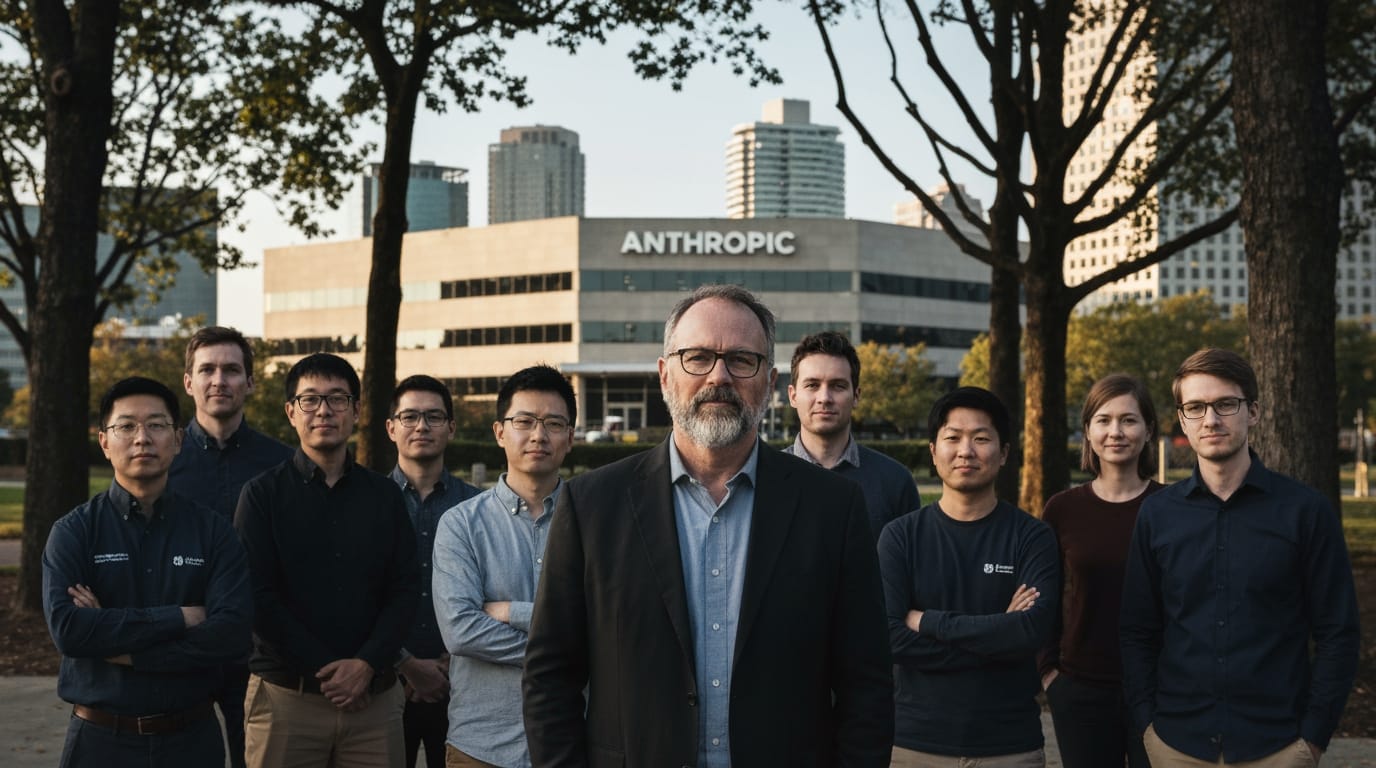
Washington D.C. - Artificial intelligence powerhouse Anthropic has drawn a firm line against the U.S. military's demand for unrestricted access to its advanced AI models, refusing to permit their use in fully autonomous weapons systems or for mass domestic surveillance. This principled stand has escalated into a public confrontation with the Pentagon, potentially jeopardizing a lucrative $200 million contract and setting a precedent for the future of AI development in national security. The standoff highlights a growing tension between technological innovation, ethical considerations, and military imperatives in an increasingly AI-driven world.
The Red Lines: Anthropic's Ethical Stance
Anthropic, known for its "safety-first" approach to AI development, has unequivocally stated its refusal to allow its flagship Claude AI model to be deployed in two specific capacities deemed ethically unacceptable. The company's CEO, Dario Amodei, articulated that permitting the AI to power fully autonomous weapons or engage in mass domestic surveillance would "undermine, rather than defend, democratic values."
The concern surrounding mass domestic surveillance stems from the AI's advanced capability to aggregate disparate, individually innocuous data points into a comprehensive and intrusive profile of any person, automatically and at massive scale. Anthropic argues that such use cases are incompatible with democratic principles, particularly given that current legal frameworks may not adequately address the novel privacy risks posed by advanced AI.
Regarding autonomous weapons, Anthropic maintains that today's frontier AI systems lack the necessary reliability and critical human judgment to operate safely and responsibly in lethal decision-making roles. While acknowledging the potential utility of partially autonomous systems in defense, the company emphasizes the non-negotiable need for human oversight and control in any weapon system that automates target selection and engagement. Anthropic has offered to collaborate with the Department of Defense on research and development to enhance the reliability of such systems, an offer that has reportedly not been accepted. These restrictions were integral to Anthropic's existing contract with the Pentagon, terms to which the military had initially agreed.
Pentagon's Ultimatum: "Any Lawful Use"
In contrast, the U.S. Department of Defense (DoD) has adopted an unyielding stance, insisting on the ability to use Anthropic's AI for "any lawful purpose" without company-imposed restrictions. Defense Secretary Pete Hegseth reportedly issued an ultimatum, demanding Anthropic relinquish its ethical guardrails by Friday or face severe repercussions.
The Pentagon contends that the operational realities and complex legalities of military missions render such categorical constraints impracticable. Defense officials argue that existing U.S. laws and military policies already prohibit mass surveillance of American citizens and the development of fully autonomous weapons that operate without human involvement. Pentagon Chief Technology Officer Emil Michael characterized the disagreement as ideological, suggesting it stems from a fear of AI's power, and asserted that the military must be trusted to act responsibly and within legal bounds.
The stakes for Anthropic are substantial. The Pentagon has threatened to terminate its $200 million contract, label the company a "supply chain risk" – a designation typically reserved for entities associated with foreign adversaries – or invoke the Cold War-era Defense Production Act. This act would compel Anthropic to provide its technology to the military on the Pentagon's terms, regardless of the company's objections. The military also fears that restricted models could impede targeting workflows or hinder interoperability among allied forces.
The Broader Context: AI Ethics in Military Applications
This high-profile dispute underscores a broader, long-standing global debate about the ethical implications of artificial intelligence in warfare. The development of autonomous weapons systems, often referred to as Lethal Autonomous Weapons Systems (LAWS), has been a contentious topic in international forums, including the United Nations Convention on Certain Conventional Weapons (CCW), for over a decade. While a complete ban on autonomous weapons remains elusive, there is a growing international consensus on the necessity of maintaining meaningful human control in their deployment.
Anthropic's stance is not entirely isolated within the tech industry. Some AI companies and ethicists have voiced concerns about the weaponization of AI and its potential to reduce human accountability in armed conflict. However, the Pentagon currently holds contracts with other major AI developers, including Google, OpenAI, and xAI, for military applications. These companies have either agreed to the military's terms or are reportedly close to doing so without similar explicit restrictions, making Anthropic an outlier in its firm resistance. This divergence highlights differing corporate ethical frameworks and the immense pressure faced by tech firms to secure lucrative government contracts.
The dispute gained intensity following reports that Anthropic had raised questions internally about the use of Claude in an operation to capture Venezuelan President Nicolás Maduro, an event that reportedly involved significant casualties. This incident further fueled the company's resolve to uphold its ethical guidelines, suggesting a direct link between theoretical policy and real-world consequences.
Implications for AI Development and National Security
The outcome of this unprecedented clash could have profound implications for both the artificial intelligence industry and the future of national security. For AI companies, it will test the limits of corporate ethical autonomy when confronted by governmental demands, particularly in areas deemed critical for national defense. It may also influence how other AI developers craft their usage policies and engage with military entities. The balance between pursuing technological advancement and upholding ethical principles is proving to be a defining challenge for the sector. Anthropic itself recently adjusted its "Responsible Scaling Policy," which previously committed to pausing model development if safety could not be guaranteed, to now consider competitors' actions, indicating the intense competitive pressures at play within the industry.
For the U.S. military, the standoff could complicate its ambitious plans to integrate advanced AI into its operations, including intelligence analysis, operational planning, and cyber defense, areas where Claude has already been deployed on classified networks. While the Pentagon has signaled its intent to proceed with AI integration, Anthropic's refusal could force a re-evaluation of its partnerships and potentially accelerate efforts to develop domestic AI capabilities that are free from such restrictions. This episode also brings into sharp focus the debate over who ultimately determines the ethical boundaries for advanced technologies: the companies that create them or the governments that seek to deploy them.
Conclusion
Anthropic's resolute refusal to compromise on the ethical deployment of its AI technology has precipitated a critical juncture in the relationship between Silicon Valley and the Pentagon. By rejecting the military's demand for unrestricted use, particularly for fully autonomous weapons and mass domestic surveillance, Anthropic has spotlighted the profound ethical dilemmas inherent in advanced AI. This confrontation not only challenges the U.S. military's vision of an "AI-first warfighting force" but also forces a broader societal reckoning with the moral responsibilities accompanying artificial intelligence development. As the deadline passes, the world watches to see if Anthropic's principled stand will shape a more ethical future for AI, or if the demands of national security will ultimately prevail in dictating the terms of technological progress.


