AI-Fueled Disinformation Inflames Violence in Post-Assad Syria
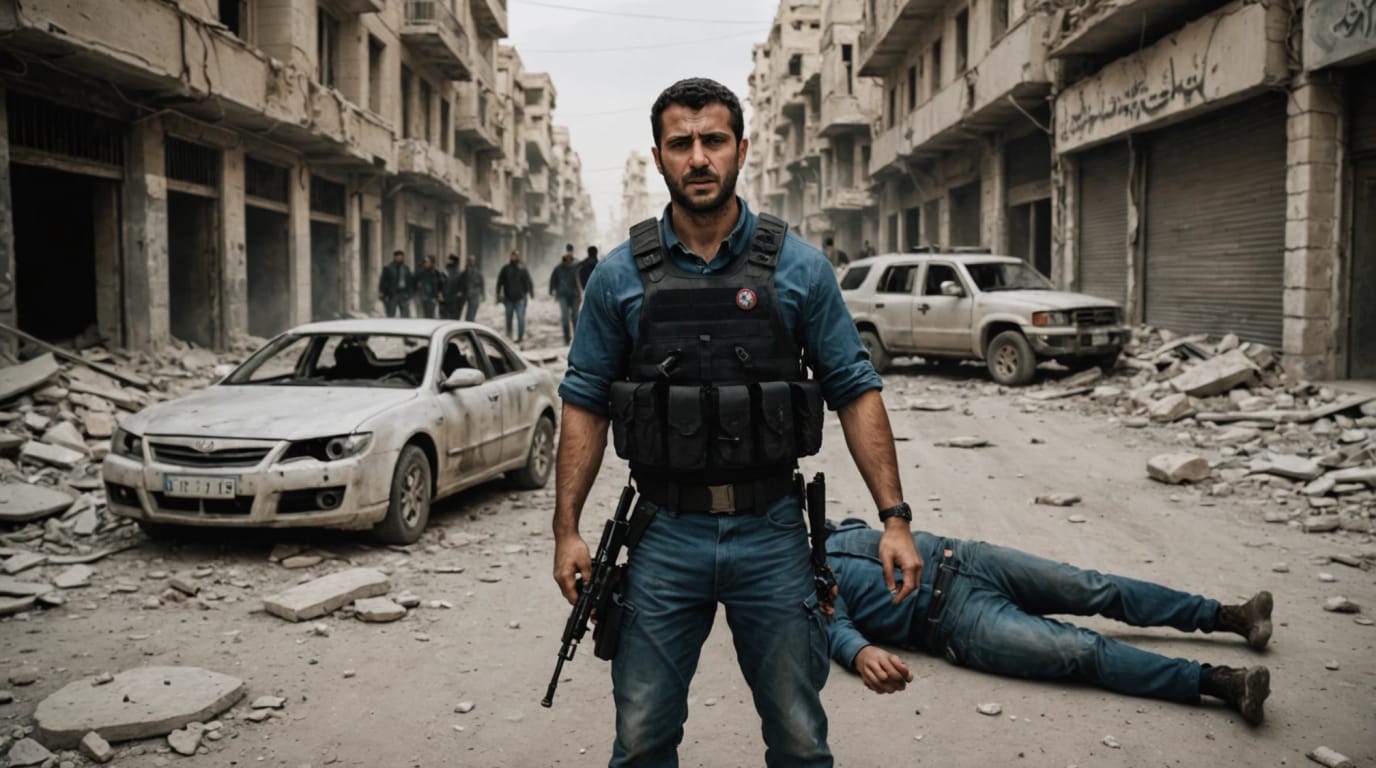
Syria is grappling with its deadliest period of violence since the fall of Bashar al-Assad's regime in December, fueled in part by a surge in AI-generated fake news and manipulated images circulating online. The rapid spread of disinformation is exacerbating tensions and hindering the fragile post-conflict transition, according to fact-checkers and experts.
The Rise of AI-Generated Propaganda
Since Assad's ouster, a power vacuum has emerged, creating an environment ripe for exploitation by various actors seeking to sow discord and manipulate public opinion. Among the most concerning developments is the increasing use of artificial intelligence to create and disseminate false narratives.
Entities affiliated with the former Syrian regime were already warning against the use of AI-generated content by opposition factions as early as December 2024. These warnings highlighted the potential for fabricated videos and audio recordings to spread chaos and undermine state institutions.
Now, various sources are utilizing AI to create misleading content. ISIS, for example, has been using AI to generate fake news reports about its terrorist attacks, disseminating them through online platforms. These reports often feature AI-generated news anchors and fabricated narratives designed to legitimize their actions and spread propaganda.
Disinformation on Social Media
The proliferation of AI-generated content is further amplified by social media platforms, where false and misleading information can quickly go viral. A recent study found that within seven hours of Iranian drones being launched towards Israel in April 2024, 34 false, misleading, or AI-generated images and videos claiming to show the conflict received over 37 million views on X (formerly Twitter). Alarmingly, 77% of the accounts posting this content were "verified" paid premium accounts, benefiting from algorithmic amplification.
This dynamic highlights how paid accounts can contribute to the rapid spread of unverified and falsified information during crises, fostering panic and confusion. The "fog of war" created by these rapid developments is often exploited by OSINT (open-source intelligence) accounts, influencers, and even public officials and state media outlets to share unverified and often fabricated content.
Examples of Misleading Content
Numerous examples of misleading content have surfaced in recent weeks, further fueling the unrest in Syria. One video, falsely claiming to show a man beheaded by rebels, was widely circulated online. Fact-checkers later revealed that the video was unrelated to the current events in Syria and that the audio had been manipulated. The original video, dating back to 2022, depicted a man alive during a dance performance.
Another viral post falsely claimed that an Alawite woman had been killed on the Syrian coast. However, the woman herself later debunked the claim on social media, stating that she was still alive. Similarly, a photo of a young girl was falsely identified as a victim of the violence, when in reality, the photo had been circulating online for months and was unrelated to the current events.
These examples illustrate the ease with which false information can be created and disseminated, often with devastating consequences. The spread of such content can incite violence, exacerbate sectarian tensions, and undermine trust in legitimate news sources.
Impact on Syrian Society
The surge in disinformation is having a profound impact on Syrian society, which is already reeling from years of conflict and instability. The spread of fake news and manipulated images is contributing to a climate of fear and uncertainty, making it difficult for people to discern fact from fiction.
Dima Wannous, a Syrian novelist, noted that the years of revolution and war have left many Alawites psychologically, physically, and economically exhausted. She added that the Assad regime used them as a tool to kill other Syrians, staining their reputation while failing to provide them with any material or moral compensation.
In this context, the spread of disinformation can further exacerbate existing grievances and fuel cycles of revenge and retribution. It also undermines efforts to promote reconciliation and rebuild trust between different communities.
Efforts to Combat Disinformation
Combating disinformation in Syria is a complex challenge, requiring a multi-faceted approach. Fact-checking organizations, such as Verify-Sy and DW's Fact Check team, are working to debunk false claims and provide accurate information to the public. However, their efforts are often hampered by the sheer volume of disinformation and the speed at which it spreads online.
Some researchers are exploring the use of machine learning and meta-learning techniques to automatically detect fake news related to the Syrian conflict. These approaches analyze linguistic style, subjectivity, sectarianism, and consistency with other news articles to identify potentially false content.
However, even with these technological advancements, fighting fake news remains a significant challenge. As Fatima Abu Salem, a professor at the American University of Beirut, notes, pinning down the characteristics of fake news is enormously hard and relies on more than just pattern recognition. In the case of the Syrian conflict, researchers are dealing with linguistic nuances, political bias, and limited data.
Conclusion
The spread of AI-fueled disinformation is a serious threat to stability and peace in post-Assad Syria. The ease with which false information can be created and disseminated, combined with the amplifying effects of social media, is exacerbating tensions and undermining efforts to rebuild trust.
Combating disinformation requires a concerted effort from fact-checking organizations, technology companies, and policymakers. It is essential to promote media literacy, support independent journalism, and develop effective tools for detecting and removing false content online. Only through these efforts can Syria hope to overcome the challenges posed by disinformation and build a more peaceful and stable future.


