Aid Boats Carrying Vital Supplies to Cuba Vanish in Caribbean, Mexico Initiates Search
MEXICO CITY, Mexico – A desperate search is underway in the Caribbean Sea for two humanitarian aid sailboats that departed from Mexico last week, bound for an energy-strapped Cuba, but failed to reach their destination as scheduled. The Mexican Navy announced Thursday the activation of a comprehensive search-and-rescue operation after the vessels, carrying nine crew members of various nationalities and a cargo of essential supplies, lost communication and did not arrive in Havana by their expected date. The disappearance casts a shadow over a grassroots effort to deliver critical assistance to the Cuban people facing severe economic hardship and fuel shortages.
The two sailboats were part of the "Nuestra America Convoy," a non-governmental initiative orchestrated to transport food, medicine, and energy-related goods to Cuba. The vessels set sail from Isla Mujeres, a Mexican island off the coast of Quintana Roo, on March 20. They were anticipated to arrive in the Cuban capital between March 24 and March 25, but no contact has been established with them since their departure, nor has their arrival been confirmed. The Mexican Navy has deployed surface vessels and aircraft to scour the estimated route between Isla Mujeres and Havana.
The Humanitarian Mission Amidst Cuban Crisis
The "Nuestra America Convoy" represents a broad, international solidarity effort aimed at mitigating Cuba's deepening economic and energy crises. Cuba has been grappling with prolonged power outages, a crumbling power grid, and severe fuel shortages, exacerbated by a tightened U.S. embargo on oil and other goods. The aid being transported by the convoy includes vital items such as rice, baby wipes, beans, baby formula, medicine, and other essential supplies. Some shipments even incorporate energy solutions like solar panels, intended to help communities cope with chronic electricity shortfalls.
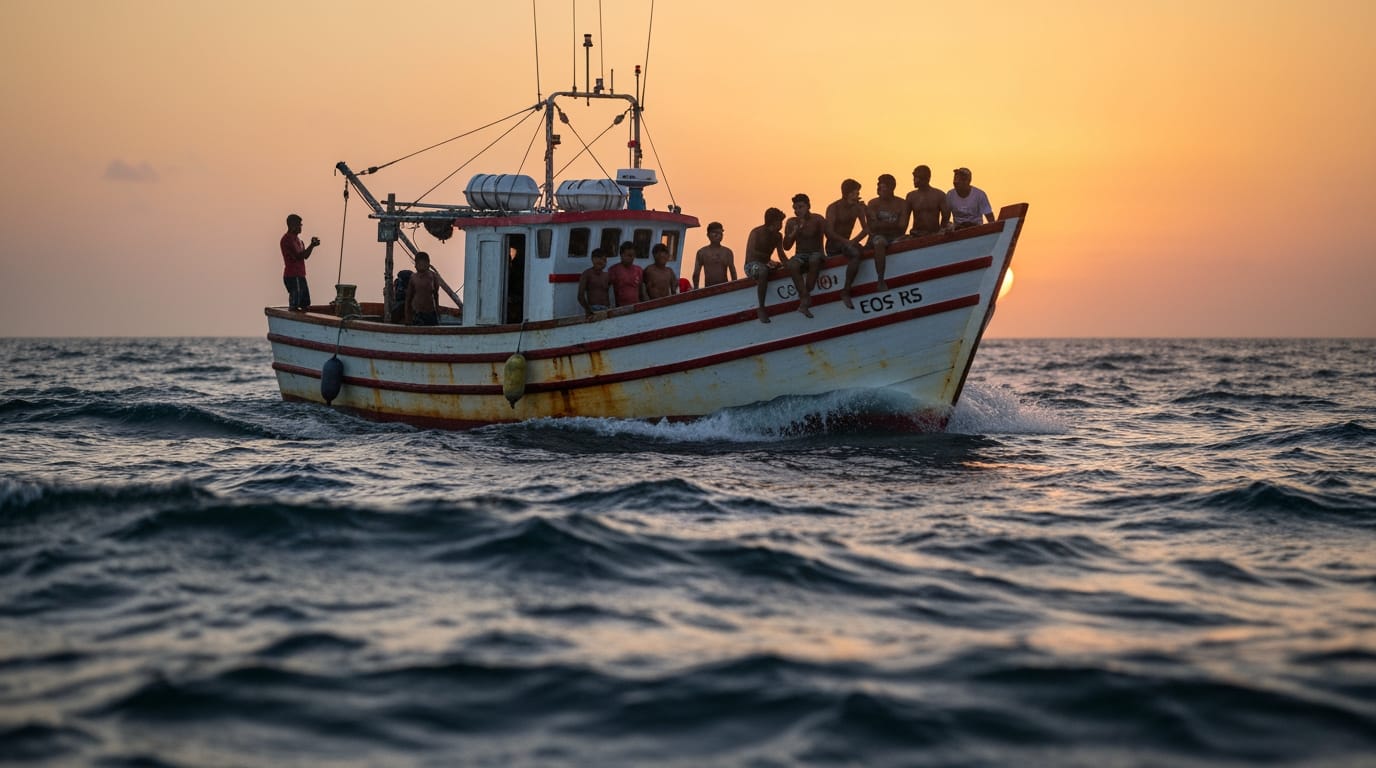
The initiative underscores the significant humanitarian challenges facing the island nation. While the two sailboats remain missing, another vessel from the same convoy successfully reached Havana on Tuesday, March 24. This ship, sometimes referred to as "Granma 2.0" and described as a 75-foot fishing vessel, delivered over 20 tons of supplies and carried numerous activists, including participants from various countries. The successful arrival of one part of the convoy highlights both the dedication of the volunteers and the precariousness of maritime aid missions, particularly across a busy and often unpredictable Caribbean.
International Cooperation in Search and Rescue
In response to the urgent situation, the Mexican Navy has extended its appeal for assistance beyond its own borders. Authorities have established contact with maritime rescue coordination centers in several countries, including Poland, France, Cuba, and the United States. Furthermore, diplomatic representatives from the countries of origin of the nine missing crew members have been notified and are being kept informed to facilitate cooperation and real-time information exchange. This multi-national effort reflects the serious concern for the safety of the crew and the vessels.
A spokesperson for the "Nuestra America Convoy" has publicly stated that the captains and crews aboard the missing sailboats are experienced seafarers. The spokesperson also affirmed that both vessels were equipped with appropriate safety systems and signaling equipment. Crucially, as of the latest reports, neither of the boats has sent out a distress signal, adding to the mystery surrounding their disappearance. The Mexican Navy has urged all seafarers and maritime authorities operating in the Caribbean and the Gulf of Mexico to report any information or sightings of the missing vessels to the nearest naval authority.
The Human Stakes and Lingering Uncertainty
The vanishing of the two aid boats transcends the mere loss of cargo; it represents a profound human concern. Nine individuals, volunteering their time and risking their safety for a humanitarian cause, are now unaccounted for. Their diverse nationalities underscore the global reach of the "Nuestra America Convoy" and the widespread desire to assist Cuba. Families and friends await news with growing anxiety, while the intended recipients of the aid in Cuba face continued deprivation. The incident highlights the inherent dangers of sea travel, even for experienced crews, and the unpredictable nature of the open ocean.
The humanitarian crisis in Cuba, fueled by geopolitical tensions and economic sanctions, makes these aid missions particularly critical. While the immediate focus remains on the search-and-rescue efforts, the incident also serves as a stark reminder of the complexities involved in delivering aid to regions under embargo. The absence of a distress signal leaves open several possibilities, ranging from mechanical failure to severe weather encounters. Until the vessels or their crews are found, the uncertainty will persist, intensifying the urgency of the ongoing search.
Conclusion: A Maritime Mystery and Ongoing Hope
The disappearance of two aid boats carrying nine crew members en route to Cuba from Mexico has triggered an extensive international search effort. While the Mexican Navy, supported by multiple nations, continues its operations across the Caribbean, the lack of communication from the vessels since March 20 remains a significant concern. These sailboats were part of a larger humanitarian convoy aiming to alleviate severe shortages in Cuba, a mission made ever more critical by the island's prolonged energy and economic crises. The absence of any distress signal provides a glimmer of hope, suggesting the crews may be attempting to manage a difficult situation without immediate catastrophic failure. As the search intensifies, the international community, along with the families of those aboard, holds out hope for the safe return of the "Nuestra America Convoy" vessels and their dedicated crews.


