Aid Efforts Intensify as Myanmar-Thailand Earthquake Death Toll Climbs
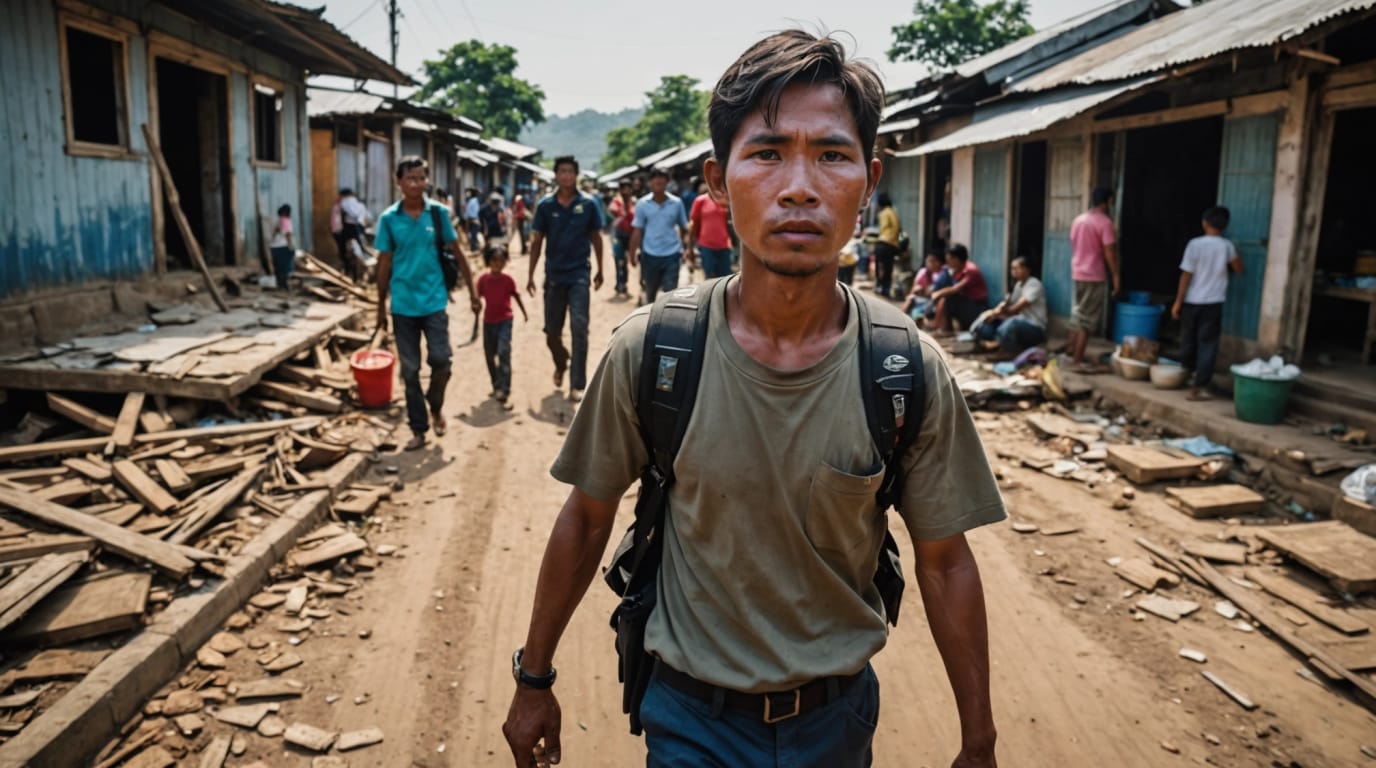
A massive international aid effort is underway in Myanmar and Thailand following a devastating 7.7 magnitude earthquake that struck the region on Friday, leaving a trail of destruction and a rapidly rising death toll. As of Sunday, authorities have confirmed over 1,600 fatalities, with thousands more injured and concerns that the numbers will continue to climb as rescue teams struggle to reach remote areas and navigate collapsed infrastructure.
Widespread Devastation and Rising Casualties
The earthquake, the strongest to hit Myanmar in over a century, was centered near Mandalay, Myanmar's second-largest city, and its impact was felt across the region, including Thailand, Laos, Vietnam, Bangladesh, India, and China. In Myanmar, the quake caused widespread destruction of homes, critical infrastructure, and historical sites. Mandalay International Airport has been closed until further notice, and major bridges and roads have been severely damaged, hindering rescue and aid efforts. The United Nations Office for the Coordination of Humanitarian Affairs (OCHA) has warned that damaged roads and infrastructure pose a major challenge to humanitarian operations.
In Thailand, the tremors were felt strongly in Bangkok, where a 30-story building under construction collapsed, trapping dozens of workers. As of Sunday, the death toll in Bangkok had risen to 17, with 32 people injured and 83 still missing, most of whom were at the collapse site.
International Response and Aid Efforts
The scale of the disaster has prompted a swift response from the international community. Numerous countries and organizations have pledged assistance to the affected region.
- India: Under "Operation Brahma," India has dispatched two naval ships carrying relief materials to Myanmar, with two more to follow. An army field hospital with 118 medical personnel is also being airlifted to provide immediate assistance to the injured. The Indian Army will establish a 60-bed Medical Treatment Centre in Mandalay.
- China: China has sent an 82-person rescue team to Myanmar and pledged $13.8 million in emergency humanitarian aid.
- United Kingdom: The UK has announced a £10 million ($12.9 million) aid package to provide emergency food, water, medicine, and shelter in the hardest-hit areas.
- United States: President Trump has vowed that the U.S. would assist Myanmar, describing the quake as "terrible."
- Australia: Australia will provide an initial $2 million to Myanmar through the International Committee of the Red Cross (ICRC) for immediate humanitarian relief.
- South Korea: South Korea will provide $2 million worth of humanitarian aid through international organizations.
- Singapore: The Singapore Red Cross (SRC) is committing an initial SGD$150,000 to support emergency relief efforts in both Myanmar and Thailand.
The United Nations has allocated $5 million from its Central Emergency Response Fund for life-saving assistance. However, the UN has also reported a severe shortage of medical supplies, including trauma kits, blood bags, and essential medicines, which is hampering response efforts.
Challenges and Humanitarian Concerns
The earthquake has exacerbated an already dire humanitarian situation in Myanmar, which has been grappling with ongoing conflict and displacement since the 2021 coup. According to UNHCR, an estimated 3.56 million people are internally displaced in Myanmar, with an additional 1.35 million refugees and asylum-seekers. The earthquake has further strained resources and infrastructure, making it even more difficult to provide assistance to those in need.
CARE, an international humanitarian organization, noted that the earthquake struck a country already in crisis, with 19.9 million people in need of humanitarian assistance. The response remains significantly underfunded, and this disaster has only worsened an already fragile situation.
One of the major challenges facing aid organizations is access to affected areas. Damaged roads, infrastructure, and ongoing conflict in some regions are hindering the delivery of aid and the deployment of rescue teams. Not all areas affected by the earthquake are controlled by the military junta, which may further complicate search and rescue efforts.
Ceasefire and Community Response
In a rare move, Myanmar's main resistance movement, the People’s Defence Force (PDF), has declared a two-week partial ceasefire in earthquake-affected areas to facilitate relief efforts. This decision reflects the urgent need for cooperation to address the crisis and provide assistance to those affected.
Despite the challenges, local communities are also stepping up to help. In Mandalay, residents are pitching in to help with search and rescue efforts, clearing debris and providing support to those affected. Win Lwin, a teashop owner in Mandalay, told AFP, "I'm looking for more bodies, but I know there cannot be any survivors. We don't know how many bodies there could be, but we are looking."
Long-Term Recovery and Resilience
As the immediate rescue and relief efforts continue, attention is also turning to the long-term recovery and rebuilding process. The earthquake has caused extensive damage to homes, infrastructure, and livelihoods, and it will take significant time and resources to rebuild affected communities.
The Center for Disaster Philanthropy emphasizes the importance of advocating for safe building construction, supporting risk communication campaigns, making long-term investments to ensure a full recovery that incorporates risk reduction, and strengthening preparedness and resilience.
GlobalGiving's Myanmar and Thailand Earthquake Relief Fund will support emergency response efforts and long-term assistance in the hardest-hit communities, including providing food, medical supplies, temporary shelter, and support to front-line workers.
A Region United in Crisis
The earthquake has brought immense suffering to Myanmar and Thailand, but it has also highlighted the resilience of the affected communities and the willingness of the international community to provide assistance. As rescue efforts continue and aid begins to reach those in need, the focus remains on saving lives, providing support, and laying the foundation for a long-term recovery that will help these communities rebuild and become more resilient to future disasters.


