Air Canada CEO Apologizes for English-Only Condolence Video Amidst Widespread Criticism
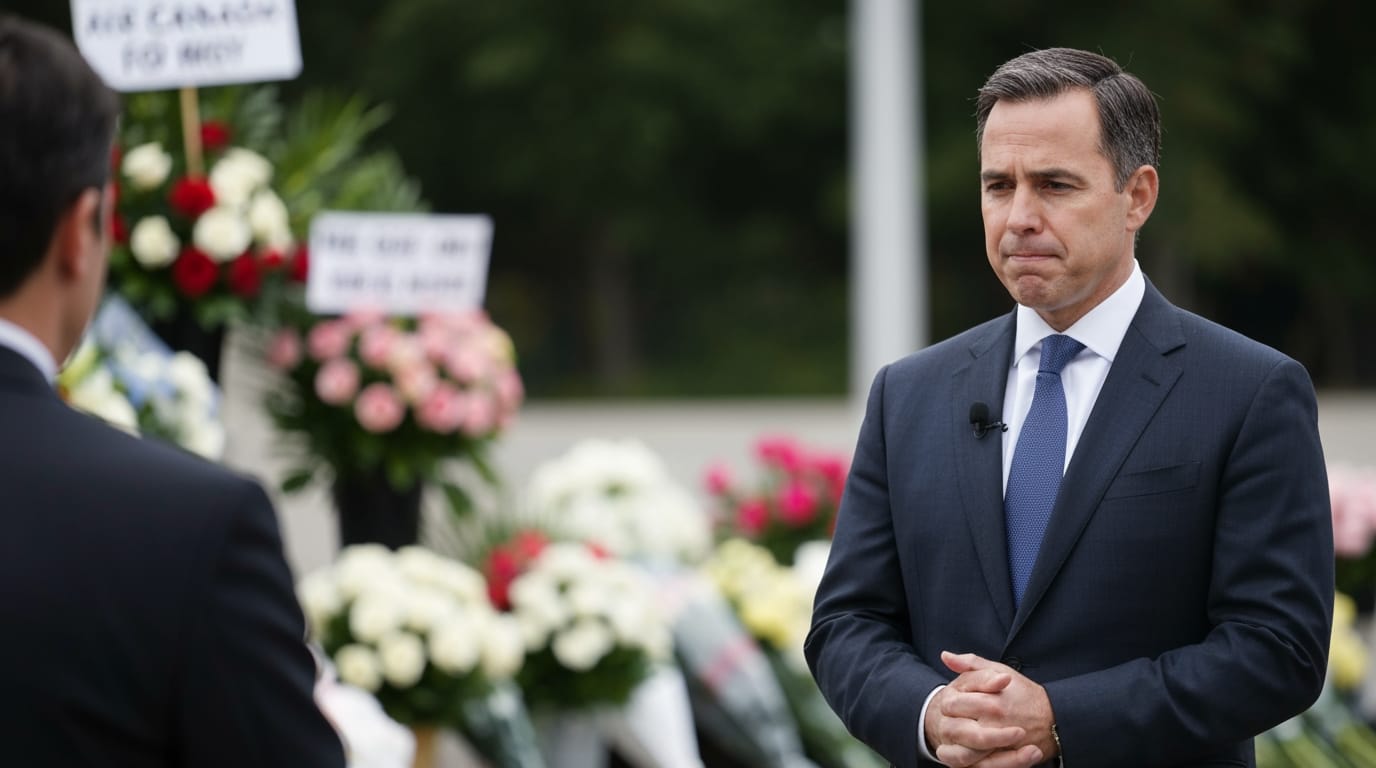
Montreal, QC – Air Canada's chief executive, Michael Rousseau, has publicly apologized for releasing an English-only video message of condolence following a fatal plane crash at New York's LaGuardia Airport that killed two pilots, including a French-speaking Quebecer. The incident ignited a firestorm of criticism across Canada, particularly in Quebec, drawing condemnation from politicians and official language watchdogs who deemed the unilingual communication disrespectful and a breach of the airline's obligations. This marks the latest in a series of language-related controversies for Rousseau, putting renewed pressure on the national carrier to uphold its commitment to Canada's official languages.
Unilingual Message Sparks Outrage Following Tragedy
The controversy began in the aftermath of a tragic collision involving an Air Canada Express flight (AC8646) and a fire truck on the runway at LaGuardia Airport. The accident on Sunday, March 22, resulted in the deaths of both pilots, Antoine Forest, a French-speaking Quebecer, and Mackenzie Gunther. In response to the tragedy, Michael Rousseau, President and CEO of Air Canada, released a four-minute video message intended to offer condolences to the victims' families and provide an update on the situation. However, the video was delivered almost entirely in English, featuring only "bonjour" and "merci" in French, accompanied by French subtitles. This choice immediately provoked widespread indignation, particularly as the flight originated from Montreal, and one of the deceased pilots was a francophone.
The unilingual nature of the video quickly drew sharp rebukes from various quarters. Quebec Premier François Legault publicly called for Rousseau's resignation, citing a "lack of respect for the French language, Quebec families in mourning and all francophones across the province". The Quebec legislature, with a vote of 92-0 and one abstention, passed a motion demanding that Rousseau step down. Prime Minister Mark Carney also expressed his disappointment, stating that the English-only message displayed a "lack of judgment and lack of compassion" in a bilingual country. The federal Office of the Commissioner of Official Languages confirmed receiving a significant number of complaints, ranging from 795 to over 1,800, regarding Rousseau's video. In response to the outcry, the House of Commons Standing Committee on Official Languages voted to summon Rousseau to Ottawa to explain his public statement.
A Pattern of Language Controversies
This recent incident is not an isolated event for Air Canada's chief executive. Michael Rousseau has faced prior criticism regarding his proficiency in French and his communication choices in Canada's officially bilingual context. In November 2021, less than a year after his appointment as CEO, Rousseau sparked a significant controversy by delivering a speech that was almost exclusively in English to the Chamber of Commerce of Metropolitan Montreal. During that event, he candidly admitted to living in Montreal for over a decade without learning French and suggested he did not need to, a statement that drew immediate and widespread condemnation across Quebec and beyond. The Office of the Commissioner of Official Languages received over 2,600 complaints at the time, prompting an investigation and calls for accountability. Following that backlash, Rousseau apologized and pledged to improve his French language skills.
Air Canada, as a former Crown corporation, operates under the federal Official Languages Act, which mandates the provision of services in both English and French where there is significant demand. This legal obligation extends to its public communications and internal operations. The airline's headquarters in Montreal, a predominantly French-speaking city, further amplifies these expectations. Air Canada has faced previous legal challenges regarding language rights, including a 2019 Federal Court order to pay $21,000 to two francophones for repeated violations, such as seatbelt instructions marked only in English. In 2023, Air Canada voluntarily registered with the Office québécois de la langue française, affirming its commitment to the protection and promotion of the French language. The airline also states it has an Official Languages branch and committee to oversee its initiatives in this area.
Rousseau's Apology and Unresolved Tensions
On Thursday, March 26, Michael Rousseau issued a written apology in response to the growing calls for his resignation and the criticism surrounding the condolence video. In his statement, Rousseau expressed deep regret, saying, "I am deeply saddened that my inability to speak French has diverted attention from the profound grief of the families and the great resilience of Air Canada's employees". He further acknowledged his continued struggle with the language, stating, "Despite many lessons over several years, unfortunately, I am still unable to express myself adequately in French. I sincerely apologize for this, but I am continuing my efforts to improve".
Despite this apology, the immediate reception was mixed, with many political figures and language advocates deeming it insufficient. Lawmakers in Quebec's legislature, for instance, rejected the apology as "too little too late" before passing their motion demanding his resignation. Critics argue that the repeated nature of these incidents, particularly after previous promises to learn French, indicates a deeper systemic issue within the airline's leadership regarding official language sensitivity and compliance. Questions have been raised about the sincerity of his past commitments and the effectiveness of his efforts to learn French over several years.
Implications for Air Canada and Corporate Responsibility
The fallout from this latest language controversy carries significant implications for Air Canada's reputation and its relationship with a substantial portion of its Canadian customer base, particularly in Quebec. The airline, as a federally regulated entity and Canada's flag carrier, is expected to embody the country's bilingual identity. Failure to meet these expectations, especially during sensitive moments of national tragedy, can erode public trust and invite regulatory scrutiny. The summons to appear before the Official Languages Committee underscores the seriousness with which federal bodies view these infractions.
Beyond the immediate crisis, this incident highlights the ongoing challenges corporations face in effectively navigating Canada's linguistic duality. For companies like Air Canada, maintaining strong leadership that is not only competent in business but also culturally and linguistically attuned to the Canadian context is paramount. The calls for Rousseau's resignation and demands for the next CEO to be French-speaking reflect a strong desire for leadership that authentically represents and respects both official language communities. The controversy serves as a stark reminder that in a country with two official languages, meaningful communication requires more than just translations; it demands genuine understanding and respect for linguistic identity at all levels of an organization.
Conclusion
Air Canada CEO Michael Rousseau's apology for his English-only condolence message has done little to quell the widespread outrage sparked by his communication after a tragic plane crash. The incident, compounded by previous language controversies involving Rousseau, has reignited the debate over official language respect within federally regulated institutions and national companies. As Air Canada navigates this public relations crisis, the airline faces renewed pressure to demonstrate a concrete and sustained commitment to bilingualism, ensuring that its leadership and communications truly reflect the linguistic fabric of Canada. The path forward will require not only apologies but tangible actions to restore public confidence and uphold the fundamental principles of Canada's official languages policy.


