Air Force One to Retain Iconic Blue and White Scheme, Scrapping Trump-Era Redesign
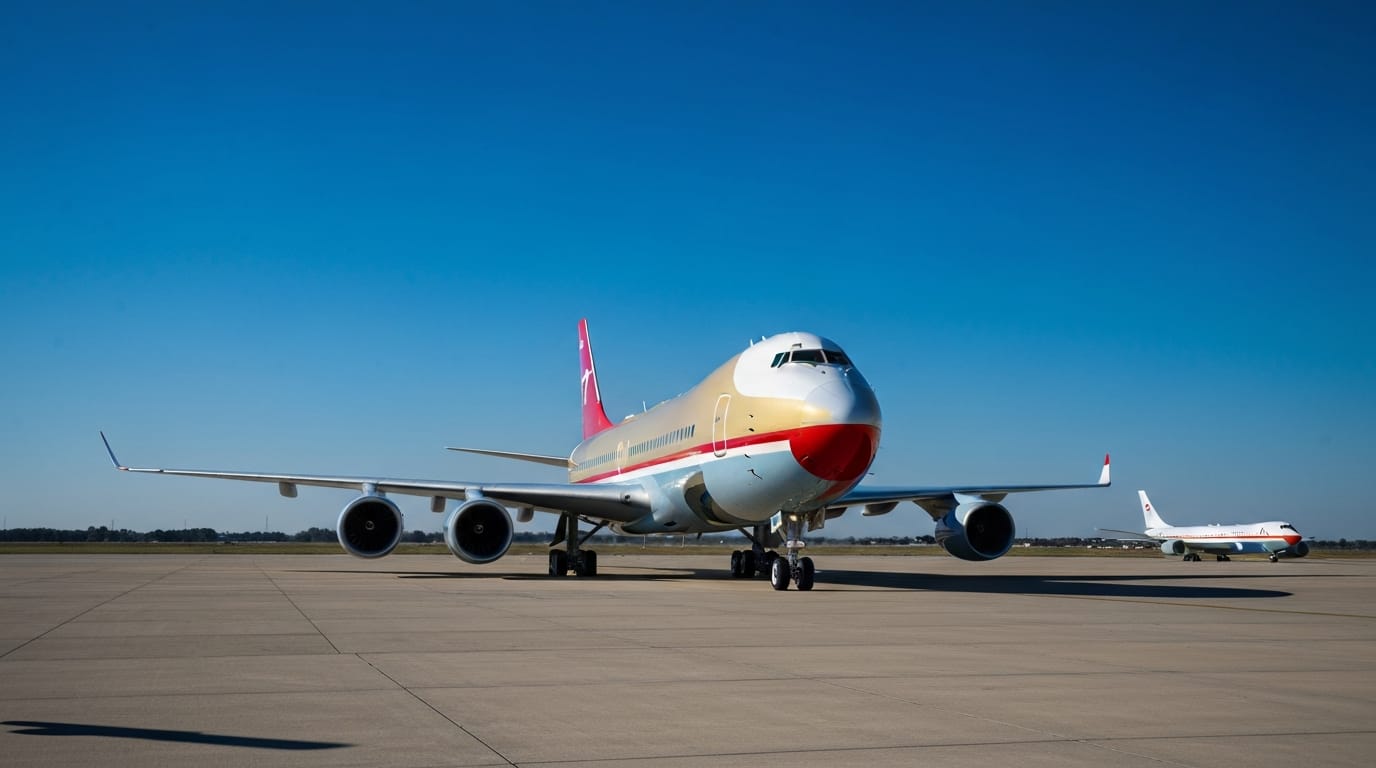
The distinctive light blue and white livery of Air Force One, a visual symbol of American presidential power for six decades, is set to remain unchanged for the nation's new fleet of presidential aircraft. After a period of consideration and a proposal from the previous administration to implement a radical redesign, the United States Air Force has confirmed that the incoming VC-25B jets will continue to bear the iconic paint scheme, citing significant technical and financial hurdles associated with the proposed alternative.
This decision marks a pivotal moment in the modernization of the presidential air fleet, affirming a continuity of tradition over a break with the past. The original proposal, championed by former President Donald Trump, called for a striking new aesthetic featuring a darker blue, a prominent red stripe, and a white fuselage, intended to project a more "modern" and "American" image. However, a comprehensive review by defense officials has concluded that such a change would entail unforeseen complications, ultimately deeming the visual update impractical for the critical aircraft.
The Genesis of a Proposed Transformation
The idea for a new look for Air Force One first emerged publicly during Donald Trump's presidency, capturing significant media attention. Speaking aboard the existing VC-25A aircraft in 2019, Trump articulated his vision for a redesigned exterior, expressing a desire for a livery that he felt was more distinctly American and better represented the nation. He reportedly found the existing "Jackie Kennedy blue" — a vibrant robin's egg blue hue chosen in consultation with the former first lady and industrial designer Raymond Loewy in the early 1960s — to be outdated.
Trump's proposed scheme was described as a departure from the traditional, featuring a darker, more navy blue tone on the aircraft's underside, a white midsection, and a bold red stripe running along the fuselage, mirroring the colors of the American flag. Initial renderings showcased a dramatic visual shift, suggesting a more aggressive and contemporary aesthetic for the flying White House. This proposal was not merely a casual suggestion but became a point of discussion during the negotiations for the new generation of presidential aircraft, two highly modified Boeing 747-8s set to replace the aging VC-25A fleet. The potential change garnered both support from those who favored a fresh look and criticism from preservationists and design enthusiasts who argued for the historical integrity of the existing design.
Technical Roadblocks and Financial Reckoning
The Air Force's ultimate decision to revert to the traditional blue and white was rooted firmly in practical engineering and cost-benefit analysis rather than aesthetic preference. Investigations into the feasibility of the Trump-era design revealed significant technical challenges, primarily centered around the darker blue paint contemplated for the aircraft's belly and engines. Expert analysis indicated that a darker color, particularly on large, exposed surfaces, would absorb significantly more heat from the sun compared to the current heat-reflective white paint.
This increased heat absorption would not be a minor cosmetic issue. It raised concerns about potential overheating of sensitive electronic components, wiring, and other crucial systems within the aircraft. To mitigate such risks, extensive and costly modifications to the aircraft's thermal management systems would likely be required. This could involve redesigning cooling ducts, enhancing insulation, or even installing additional refrigeration units, all of which would add substantial weight, increase fuel consumption, and, critically, introduce significant delays into an already complex and over-budget development program. Estimates for these modifications, including potential re-engineering and flight testing to certify the new thermal performance, reportedly ran into the hundreds of millions of dollars and could push back the delivery schedule by years. Given the substantial investment already committed to the VC-25B program, the added expenditures and timeline extensions were deemed unjustifiable.
An Enduring Icon: The Legacy of a Design
The current livery of Air Force One is more than just a paint job; it is an enduring piece of American design history and a powerful national symbol. Conceived during the administration of President John F. Kennedy, the design by Raymond Loewy sought to marry the prestige of the presidency with a modern, elegant aesthetic. Loewy's vision utilized a luminous robin's egg blue, offset by a crisp white fuselage and polished aluminum accents, with the presidential seal prominently displayed and "United States of America" emblazoned along the side. The cursive "Air Force One" lettering, carefully chosen typography, and the flag near the tail all contribute to an instantly recognizable and respected global icon.
For over six decades, this design has been synonymous with the American presidency, carrying every commander-in-chief since Kennedy across continents. Its consistent appearance has fostered a sense of stability and continuity, reinforcing the image of a timeless institution even as administrations change. The decision to retain this classic look for the new VC-25B jets acknowledges the profound symbolic weight the aircraft carries, not just for Americans but for the world watching. It underscores the idea that certain national symbols transcend fleeting political preferences and represent a broader, enduring identity.
Looking Ahead: The New Fleet and National Symbolism
The two new VC-25B aircraft, which are heavily modified Boeing 747-8s, are currently undergoing extensive customization at Boeing’s facilities in San Antonio, Texas. These jets are designed to serve as advanced mobile command centers, capable of operating in a variety of extreme scenarios and equipped with state-of-the-art communications, defensive systems, and luxurious accommodations for the president and accompanying staff. The program, which has faced its own share of cost overruns and delays, is expected to deliver the first new jet in 2027 and the second in 2028.
By affirming the traditional blue and white paint scheme, the Air Force prioritizes operational integrity and fiscal responsibility while preserving a revered visual identity. The decision effectively closes the chapter on a contentious design debate, ensuring that the next generation of presidential aircraft will continue to project an image of dignified strength and continuity, instantly recognizable to generations of Americans and observers worldwide. The enduring aesthetic will once again fly into history, a testament to both thoughtful engineering and the timeless power of national symbolism.


