Airbus Ascendant: Overtakes Boeing in Key Aviation Metrics Amidst Safety Concerns
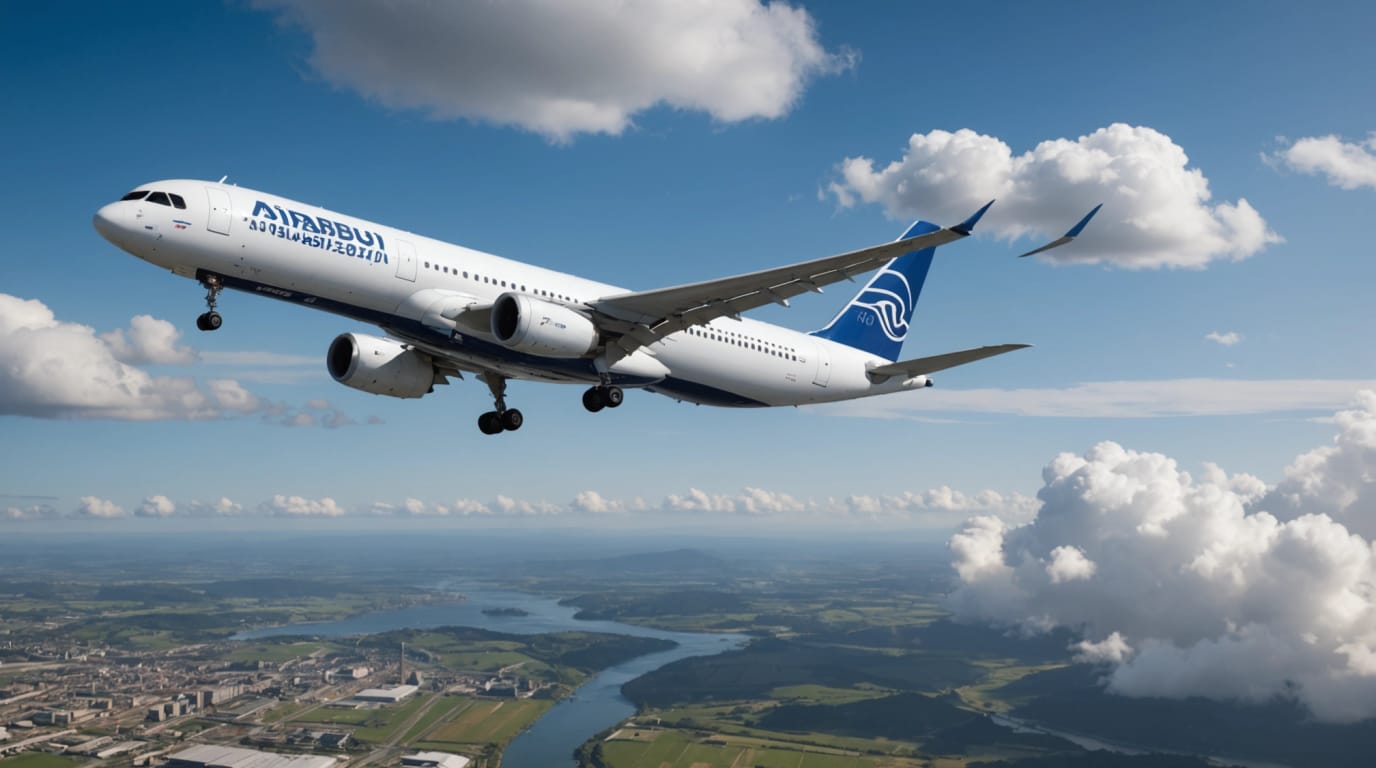
The global aviation landscape is undergoing a significant shift, with Airbus solidifying its position as the world's leading commercial aircraft manufacturer, surpassing Boeing in crucial performance indicators. This transition comes at a time when the industry grapples with supply chain disruptions, increasing demand, and heightened safety scrutiny. While Boeing navigates ongoing challenges, including production slowdowns and quality control issues, Airbus is capitalizing on market trends and reliability concerns to expand its reach.
Airbus's Growing Dominance
Airbus has consistently outperformed Boeing in net profits, aircraft deliveries, orders, and overall backlog in recent years. As of May 31, 2025, Airbus reported a commercial aircraft backlog of 8,617 jets, with approximately 89% consisting of the A220 and A320neo families. In contrast, Boeing listed 6,528 aircraft in its backlog, excluding adjusted "ghost" orders, with about 74% being 737 MAXs. This substantial difference underscores Airbus's strong market position and its ability to meet the growing demand for fuel-efficient, single-aisle aircraft.
Airbus's increasing dominance is particularly evident in the European aviation market, where it accounts for roughly 41% of all flights, compared to Boeing's 32%. This trend is driven by the rising favor of Airbus's versatile and fuel-conscious aircraft, especially its "neo" family, among top European airlines like easyJet, Turkish Airlines, and Lufthansa.
Boeing's Challenges and Setbacks
Boeing, once the undisputed leader in the commercial aviation market, has faced a series of high-profile setbacks in recent years. The grounding of the 737 MAX following two fatal crashes, quality control issues across various programs, and ongoing production slowdowns have eroded confidence among airlines and investors.
The 737 MAX crisis has had a deep financial effect on the aviation industry and a significant effect on the national economy of the United States. Boeing has suffered directly through increased costs, loss of sales and revenue, loss of reputation, victims litigation, client compensation, decreased credit rating and lowered stock value. The company estimated a loss of $18.4 billion for 2019 and reported 183 canceled MAX orders for the year.
In addition to the 737 MAX crisis, Boeing has faced challenges with its 787 Dreamliner program. Production flaws, including improperly spaced fasteners and gaps in the fuselage, have led to multiple delivery halts and increased scrutiny from regulators. In 2024, Boeing engineer Sam Salehpour raised serious concerns about the structural integrity of the 787 Dreamliner, alleging that the company took shortcuts while manufacturing the aircraft model's fuselage and warned it could lead to catastrophic failures over time.
Production and Delivery Performance
Despite efforts to improve output, Boeing is facing significant production challenges in 2025 due to key performance indicators (KPIs), tariffs, and company culture issues. The company's 737 production remains capped at 38 aircraft per month due to ongoing FAA oversight following quality control failures. Boeing is aiming to increase 737 MAX production to approximately 50 aircraft per month in the 2026 timeframe, but this is subject to FAA approval.
In the first quarter of 2025, Boeing delivered 130 commercial airplanes, contributing to a 75% rise in revenue for the Commercial Airplanes segment. However, the company reported a GAAP loss per share of $0.16 and a core loss per share of $0.49, indicating ongoing financial challenges.
Airbus, on the other hand, is aiming to deliver around 820 commercial aircraft in 2025. However, the company is facing supply chain pressures, particularly in ramping up the production of A350 and A220 models. In the first quarter of 2025, Airbus delivered 136 commercial aircraft and reported revenues of €13.5 billion, a 6% increase compared to the same period in 2024.
Market Dynamics and Future Outlook
The global aviation industry is experiencing a surge in demand, driven by economic growth, rising disposable incomes, and the expansion of low-cost carriers. This increased demand is creating opportunities for both Airbus and Boeing, but also posing challenges in terms of production capacity and supply chain management.
Airbus is capitalizing on the growing demand for fuel-efficient, single-aisle aircraft with its A320neo family. The A321neo, in particular, has become one of the most in-demand models globally, offering range flexibility, improved fuel efficiency, and capacity without switching to widebody aircraft.
Boeing is focusing on restoring operational consistency and customer confidence, while also investing in new technologies and sustainable aviation solutions. The company is working to resolve certification delays for its 737 Max 7, Max 10, and 777-9 programs and is in the process of acquiring Spirit AeroSystems, its largest supplier, to stabilize fuselage production.
Sustainability and Innovation
The aviation industry is facing increasing pressure to reduce its environmental impact and embrace sustainable practices. Both Airbus and Boeing are investing in sustainable aviation fuels (SAF), electric and hydrogen-powered aircraft, and advanced air mobility solutions.
Airbus is actively exploring hydrogen power and is developing electric planes for regional flights. The company is also working to improve the fuel efficiency of its existing aircraft models and reduce carbon emissions.
Boeing is committed to making air travel more sustainable and is investing in renewable energy and innovation. The company is also working to develop new aircraft designs that are more fuel-efficient and environmentally friendly.
Conclusion
The global aviation industry is undergoing a period of significant change, with Airbus emerging as the dominant player in the commercial aircraft market. While Boeing faces ongoing challenges and setbacks, the company is taking steps to restore operational consistency, regain customer confidence, and invest in new technologies and sustainable aviation solutions. The race between Airbus and Boeing is far from over, and the future of the aviation industry will depend on their ability to navigate the challenges of increasing demand, supply chain disruptions, and heightened safety scrutiny, while also embracing sustainability and innovation.