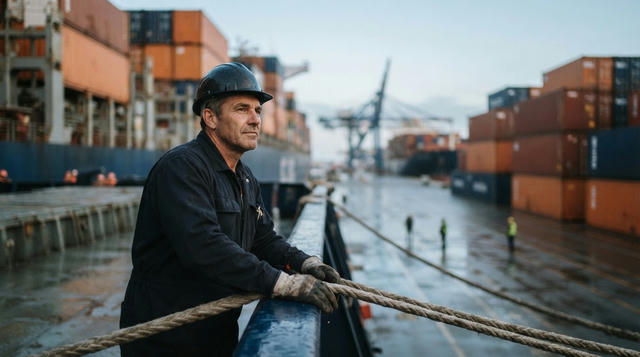
Ill-Fitting Workwear: A Silent Safety Crisis for Women in Hazardous Professions
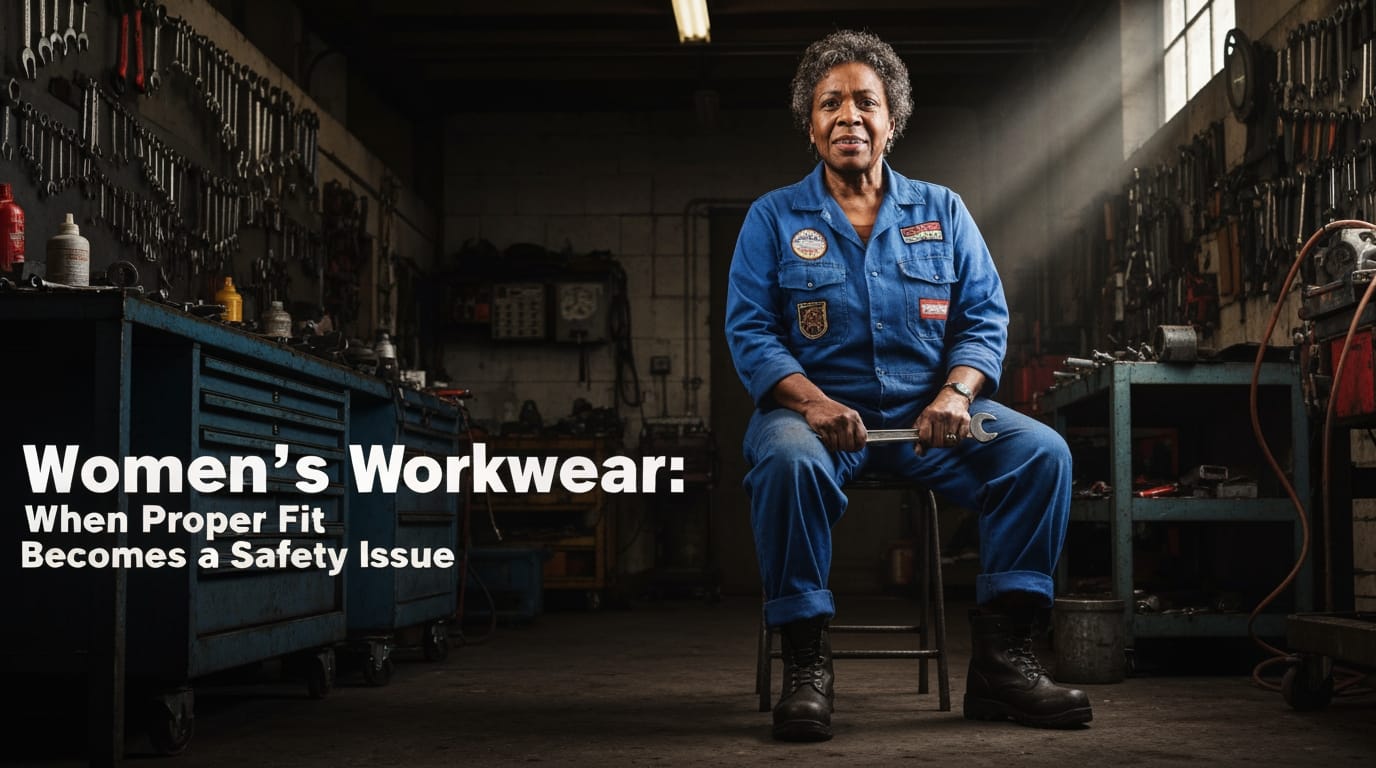
Across a spectrum of physically demanding and often dangerous professions, a critical yet frequently overlooked safety issue persists: ill-fitting workwear and personal protective equipment (PPE) for women. Far from a mere inconvenience, gear designed without female anthropometry in mind poses significant safety hazards, leading to increased risks of injury, reduced mobility, and compromised protection. This systemic oversight, rooted in historically male-dominated industries, is now gaining urgent attention as advocates and new regulations push for equitable safety standards.
The Invisible Threat: A Widespread Problem
The issue of ill-fitting PPE for women is pervasive, affecting industries from construction and manufacturing to emergency services like firefighting and healthcare. Surveys consistently reveal a concerning disparity: only three out of ten women report that their PPE is specifically designed for female bodies. A substantial majority, ranging from 50% to an alarming 80% in some fields, contend with ill-fitting equipment.
For decades, the design of workwear and PPE has largely been based on male body measurements, inadvertently creating a "one-size-fits-men" standard that fails to accommodate the diverse physiological realities of women. This translates into practical challenges for women in roles that require rigorous physical activity and constant vigilance. For instance, in the fire service, where women now constitute approximately 9% of firefighters in the U.S., nearly 80% report that their gear does not fit correctly. Similarly, 68% of farm women struggle to find properly fitting PPE, and nearly 70% of women on construction sites face similar challenges. These statistics underscore a widespread problem that puts a significant portion of the female workforce at unnecessary risk daily.
From Discomfort to Danger: Specific Hazards
The consequences of ill-fitting workwear extend far beyond discomfort, directly contributing to workplace accidents and health issues. When PPE does not conform to the wearer's body, its protective function is severely compromised. Loose clothing can easily become entangled in machinery, while overly large boots increase the risk of trips and falls, particularly on uneven terrain common in construction or industrial settings. Gaps in protective suits, gloves, or respiratory masks can expose workers to hazardous chemicals, extreme temperatures, smoke, and other dangerous substances. Female firefighters, for example, face a 33% higher risk of injury due to ill-fitting PPE, with critical interface areas like sleeve/glove and neck/hood often failing to seal properly, increasing exposure to thermal and chemical hazards.
Furthermore, restricted movement caused by ill-fitting gear can hinder a worker's ability to perform tasks efficiently or react quickly to emergencies. Safety harnesses that do not accommodate female body shapes can be ineffective during a fall, potentially causing additional injuries. Even seemingly minor issues, like oversized gloves, can severely impair dexterity and grip, turning routine tasks into dangerous maneuvers. Physical discomfort is also a significant concern, with reports of chafing, rashes, blisters from ill-fitting boots, and musculoskeletal strain from gear that forces unnatural postures. Impaired visibility from improperly sized helmets, goggles, or face shields can further heighten accident risks. Facing these daily challenges, many women are forced to make do, often altering their PPE in ways that void certifications and create new safety hazards, or even foregoing essential equipment entirely.
The Root of the Problem: Design Flaws and Systemic Gaps
The persistent gap in women's workwear traces back to a fundamental oversight in design and procurement. Historically, PPE standards and manufacturing processes developed when the workforce was predominantly male. This led to a pervasive "pink it and shrink it" approach, where existing male designs were simply scaled down or colored differently for women, rather than being re-engineered based on female anthropometric data.
However, women are not simply smaller versions of men. Their average body proportions differ significantly, including variations in chest-to-waist ratios, hip measurements, torso and limb lengths, and foot shapes. This crucial distinction often leads to PPE that is either too baggy in some areas, too tight in others, or fails to align with natural body contours, rendering it ineffective. A lack of comprehensive anthropometric data specific to women in various demanding professions has further exacerbated this issue, limiting manufacturers' ability to create truly gender-appropriate designs.
The market for women's specific PPE remains underdeveloped, with limited options and inadequate selection. This scarcity forces employers to choose from generic, often ill-fitting, alternatives, perpetuating the cycle of compromise. For the women on the front lines, this translates not only to physical risks but also to psychological impacts, fostering feelings of being undervalued, undermining confidence, and potentially hindering career progression in male-dominated fields.
A Call for Change: New Standards and Industry Solutions
Recognizing the severity of this issue, regulatory bodies and industry leaders are beginning to mandate and implement changes. A significant development is the updated OSHA rule, set to take effect in January 2025, which explicitly mandates that all PPE must properly fit each affected employee, including women and individuals with non-standard body sizes. This pivotal rule signals a shift towards prioritizing individualized fit over generic sizing.
Beyond national regulations, international bodies are also advocating for change. The UNECE "Gender-responsive Standards Declaration" and the British Standard BS 30417, "Provision of Inclusive PPE – Guide," aim to ensure that PPE standards respond to the differentiated needs of all workers, including women. These initiatives provide frameworks for developing gender-inclusive designs and promoting awareness.
In response, some specialized manufacturers are stepping up, dedicating resources to developing women-specific PPE that considers anatomical differences. Companies are now offering tailored cuts, stretch panels for mobility, adjustable straps in harnesses, and footwear designed for women's arches and foot shapes. Employers also bear a crucial responsibility. This includes conducting thorough hazard assessments, actively involving female workers in the PPE selection process, and diversifying their supplier lists to include manufacturers offering gender-specific options. The focus must move beyond the outdated "unisex" approach, which often defaults to male measurements, towards genuinely inclusive solutions.
Towards an Equitable and Safe Workplace
The challenges faced by women regarding ill-fitting workwear and PPE highlight a broader issue of equity in occupational safety. Ensuring that all workers, regardless of gender, have access to properly fitting protective equipment is not merely about comfort or compliance; it is a fundamental pillar of workplace safety and equality. When PPE fits correctly, it not only mitigates physical hazards but also enhances worker confidence, productivity, and morale.
The ongoing push for new standards, coupled with advancements in design and a greater commitment from employers and manufacturers, offers a promising path forward. By prioritizing comprehensive anthropometric research, investing in diverse product lines, and fostering a culture where every worker's safety needs are explicitly met, industries can move towards a future where workplaces are truly equitable, safe, and protective for all.