Albania Expands Corruption Crackdown To Target Former Leaders And Security Officials
Albania faces increasing scrutiny over its judicial drive as prosecutors target top political figures without curing systemic governance failures.
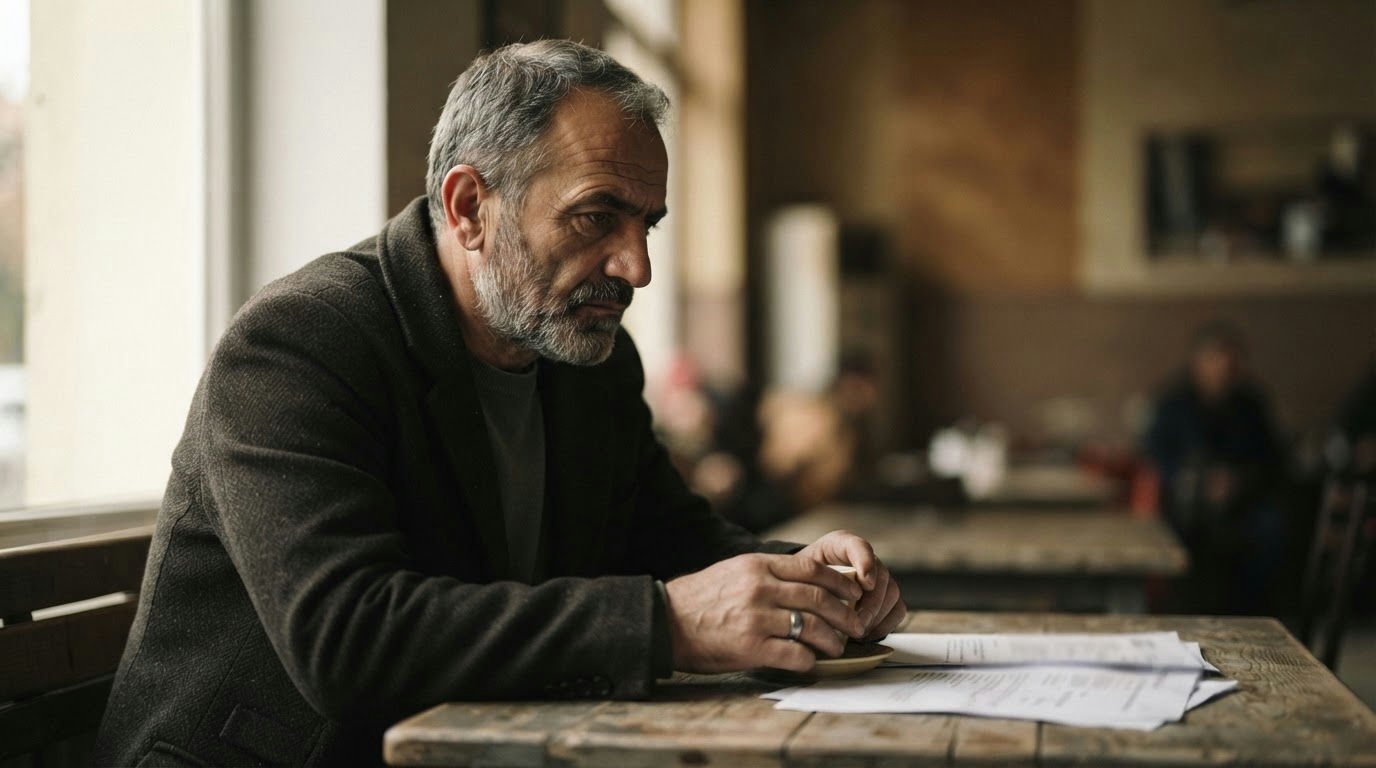
Special prosecutors in Tirana pursued corruption charges in late September against high-ranking figures, including former State Intelligence Service director Vlora Hyseni and former President Ilir Meta.
The Special Prosecution Office Against Corruption and Organized Crime, known as SPAK, has accelerated cases against prominent officials. Policy experts question whether the wave of judicial actions reduces graft or merely reflects stricter criminal enforcement.
The Special Court of First Instance for Corruption and Organized Crime ordered Hyseni placed under house arrest and suspended from her duties on September 21. Prosecutors suspect her of disclosing classified files to unauthorized individuals and assisting an offender linked to procurement fraud. Prime Minister Edi Rama said he removed Hyseni from her post following the court order.
The intelligence investigation stems from a wider probe into the National Agency for Information Society, which manages Albania's digital infrastructure. Prosecutors allege officials steered 19 procurement contracts worth roughly 5.9 billion lek, or 59 million euros, to preferred business entities. Authorities also questioned former State Police Director General Ilir Proda during the investigation.
The crackdown has reached the highest ranks of national politics. Police arrested former President Ilir Meta in October 2024 on corruption and money laundering charges, which he denied. Former Prime Minister Sali Berisha has also faced judicial restrictions and formal scrutiny.
Governance specialists told Deutsche Welle that prosecutions alone cannot dismantle entrenched illicit networks. Transparency International reported that public administration across Albania remains vulnerable to improper influence and institutional weaknesses. Analysts warned that structural reforms must accompany prosecutions to stop new illicit practices from replacing dismantled networks.
The European Union considers anti-corruption progress critical as Tirana seeks membership by 2030. Rama announced that the government will consult with the president to appoint a new head of the State Intelligence Service.