Albanian Government Defends €4 Million Kanye West Concert Amidst Widespread Outcry
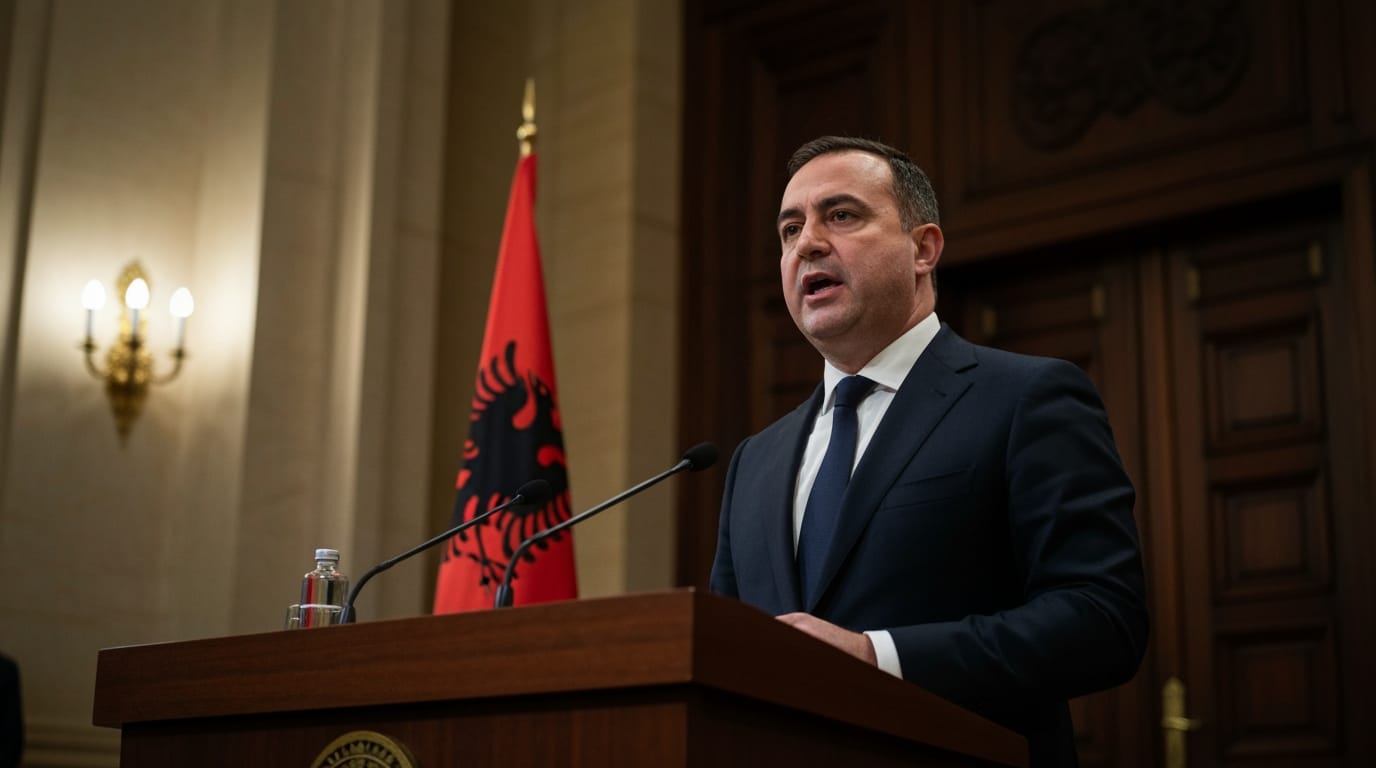
TIRANA, Albania – Albania's Prime Minister Edi Rama has ignited a fierce national debate by defending his government's eleventh-hour decision to allocate €4 million in public funds for a Kanye West concert, scheduled for July 11 outside Tirana. The move, intended to prevent the cancellation of a high-profile event, has drawn sharp criticism from opposition parties, human rights activists, and the public, who question the use of state money for a controversial artist amid broader economic and political grievances. The government argues the investment is a strategic effort to boost tourism and enhance Albania's international profile, projecting a massive return on investment.
The Controversial Investment and its Context
The Albanian government's unexpected financial intervention of €4 million ($4.56 million) was made to ensure the Kanye West, also known as Ye, concert proceeds as planned on July 11. This allocation comes after the event was initially promoted as a privately funded endeavor, with the government only providing logistical and security support. The concert is set to take place in a makeshift "Eagle Stadium" constructed specifically for the event near Tirana, capable of holding 60,000 people. Reports initially rumored the stadium itself to cost around €50 million, a figure Prime Minister Rama later dismissed as false.
The decision to host Ye has been particularly contentious given the rapper's history of antisemitic statements, praise for Adolf Hitler, and use of Nazi imagery, which have led to cancellations and bans in several other European countries. Critics argue that hosting an artist with such a controversial past sends a troubling message about Albania's values and priorities. The Albanian Jewish Community, along with human rights activists, has voiced strong opposition, calling the concert a "moral red line" that legitimizes hate speech.
Prime Minister Rama's Economic Rationale
Prime Minister Edi Rama has staunchly defended the government's investment, asserting it was a necessary measure to prevent "international embarrassment" for Albania. According to Rama, approximately 25,000 foreign visitors from 80 different countries had already purchased tickets for the concert, and a cancellation would have severely damaged the country's reputation. He emphasized that the €4 million was a "last-minute" intervention to avoid disappointing these attendees and to preserve Albania's image on the global stage.
Beyond averting a diplomatic incident, the Prime Minister highlighted the substantial economic benefits anticipated from the event. Rama claimed the concert is projected to generate at least €100 million in revenue for Albania, primarily through increased tourism and accommodation bookings around the concert date. Government officials, including Rama, have framed the concert as a strategic initiative to attract other global stars and tourists, positioning Albania as an emerging cultural and entertainment destination. They believe the event will significantly boost the local economy and place Tirana on the international map for major spectacles.
A Wave of Disapproval and Broader Protests
Despite the government's economic justifications, the announcement has been met with significant public and political backlash. The decision to use public funds for the concert has fueled ongoing protests in Tirana, which initially erupted over unrelated issues such as a luxury resort project and concerns about coastal development. These demonstrations have broadened to include accusations of government corruption and demands for the Prime Minister's resignation, with the Kanye West concert funding adding further momentum to the discontent.
Opposition parties and civil society groups have vehemently criticized the expenditure, arguing that €4 million could be better spent on urgent public services like healthcare, education, or infrastructure, rather than on a single concert featuring a controversial figure. Social media platforms have seen a wave of negative comments, with many Albanians expressing outrage over the perceived misuse of taxpayer money and the implicit legitimization of an artist known for hate speech. Critics like human rights activist Isa Myzyraj have warned that by embracing Ye, Albania risks compromising its principles for "political spectacle" and economic gain, especially after other European nations distanced themselves from the rapper due to his remarks.
Questions of Transparency and Priorities
The financial backing for the concert has also raised serious questions regarding transparency and governance. The €4 million was reportedly allocated from an emergency fund through a Normative Act, approved on July 6 and published on July 7. Legal experts and critics suggest that using an emergency act for such an event potentially contradicts Albanian legislation, which permits its use only for well-argued and proven cases of genuine urgency. The Minister of Economy, Culture, and Innovation, Blendi Gonxhja, initially stated that no state funds would be used for the concert, a claim directly contradicted by Prime Minister Rama's later announcement of the €4 million allocation. This inconsistency has further fueled public mistrust and accusations of misleading information from the government.
The debate extends beyond mere financial allocation; it delves into the country's priorities. While the government champions the concert as an economic catalyst, many citizens and critics argue that such a substantial public investment should address more pressing societal needs. The choice to support an artist whose rhetoric has caused widespread condemnation globally, particularly when other countries have opted out, presents an ethical dilemma for Albania's public diplomacy and internal cohesion.
The Kanye West concert in Albania, therefore, stands as a nexus of conflicting interests: the government's ambition to boost tourism and international standing versus public demands for fiscal responsibility, moral integrity, and transparent governance. As the concert date approaches, the situation continues to draw scrutiny, highlighting the complex challenges faced by nations balancing economic development with national values and public trust.


