United States Unleashes Sustained Strikes Against Iran-Backed Militias in Region
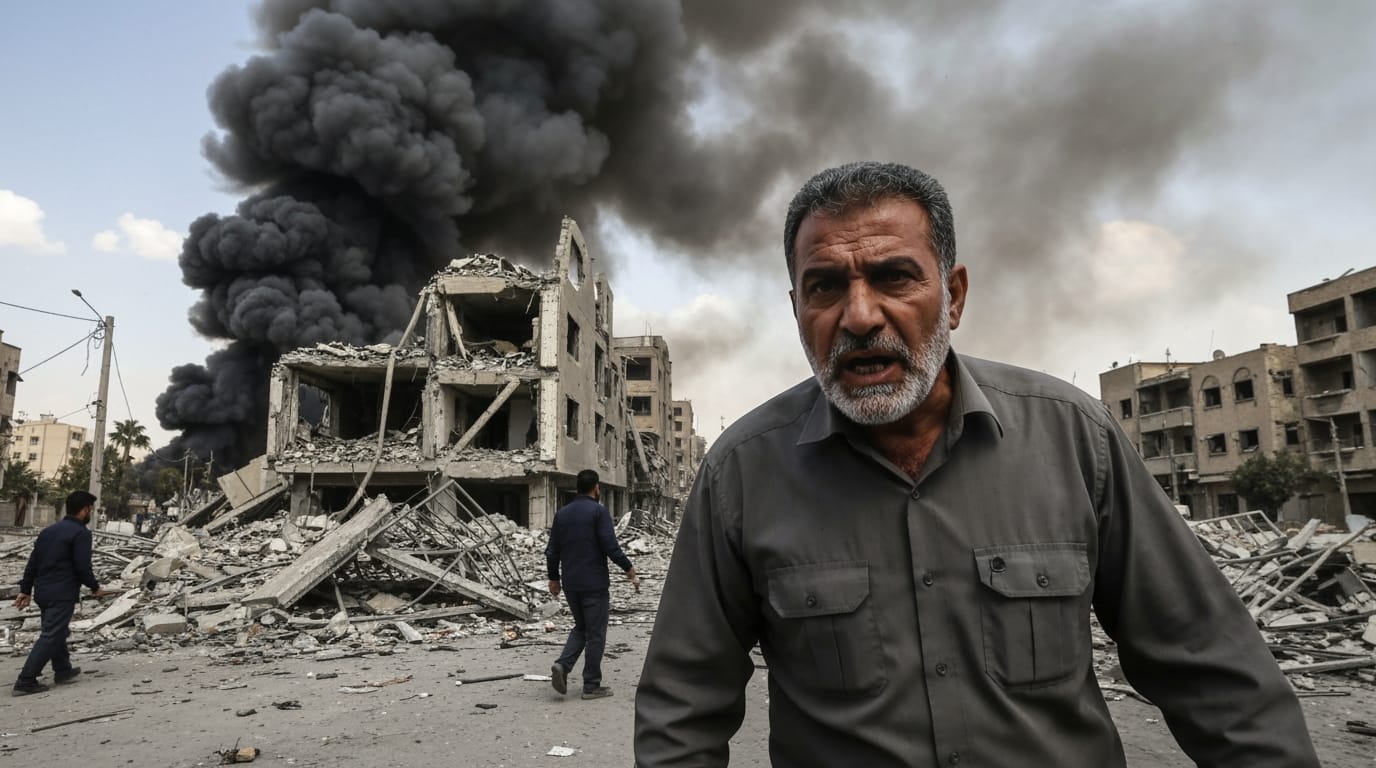
Middle East on Edge as Washington Signals Prolonged Retaliatory Campaign
The United States has launched a second wave of strikes against Iran-backed militia targets in the Middle East, continuing a robust military response initiated within the last 24 hours. This sustained action follows a deadly drone attack on a U.S. outpost in Jordan last week that killed three American service members, marking a significant escalation in regional tensions. The comprehensive campaign aims to degrade the capabilities of groups Washington holds responsible for a series of attacks on U.S. personnel and interests, while navigating a volatile landscape already inflamed by the ongoing conflict in Gaza.
Initial Barrage Targets Key Infrastructure
The initial phase of the U.S. retaliatory operation commenced on February 2, 2024, with the U.S. Air Force executing a widespread assault across Iraq and Syria. These strikes specifically targeted facilities associated with Iran's Islamic Revolutionary Guard Corps (IRGC) Quds Force and allied militia groups. The operation involved two B-1B bombers dispatched from Dyess Air Force Base in Texas, alongside other aircraft, delivering approximately 125 precision-guided munitions. Targets included critical command and control centers, intelligence hubs, and storage facilities for rockets, missiles, and unmanned aerial vehicles, as well as logistics and munition supply chain points. U.S. officials reported that over 85 targets across seven facilities—three in Iraq and four in Syria—were struck, with more than 80 of them destroyed or rendered inoperable. Early assessments indicated that at least 18 Iran-backed fighters were killed in eastern Syria.
A Multiday Campaign Unfolds
While the initial strikes delivered a substantial blow, U.S. officials have made it clear that this was merely the "opening salvo" of a broader, multiday campaign. President Joe Biden affirmed that the response "will continue at times and places of our choosing," signaling an enduring commitment to deter further aggression. This intention for ongoing action was swiftly underscored by additional U.S. military operations, including strikes against Houthi targets in Yemen on the day following the primary Iraq and Syria assaults. These subsequent actions aimed to neutralize anti-ship cruise missiles and other capabilities utilized by the Iranian-backed Houthis, who have persistently threatened international shipping in the Red Sea and Gulf of Aden. The coordinated and sequential nature of these strikes across multiple theaters highlights Washington's resolve to address the network of Iran-aligned groups operating throughout the region.
The Catalyst: Deadly Attack in Jordan
The immediate trigger for this intensified U.S. military action was a drone strike on January 28, 2024, against Tower 22, a remote U.S. military outpost in northeastern Jordan, near the Syrian border. The attack resulted in the deaths of three U.S. Army Reserve soldiers and injured over 40 others. The Islamic Resistance in Iraq, an umbrella group of Iran-backed militias, claimed responsibility for the deadly assault. This incident marked a grim turning point, representing the first U.S. combat fatalities from Iran-backed militias since the outbreak of the Israel-Hamas conflict in October 2023. The Pentagon, while seeking to prevent a wider conflagration, stressed its determination to protect American forces, with Defense Secretary Lloyd Austin stating that the U.S. would not tolerate attacks on its troops.
Regional Instability and Broader Context
The recent escalation occurs against a backdrop of deeply entrenched regional instability. Since October 2023, Iran-backed militias have launched more than 170 attacks on U.S. bases in Iraq, Jordan, and Syria, largely in protest of Israel's military operations in Gaza. These attacks, involving drones, rockets, and missiles, have injured dozens of U.S. personnel. The U.S. has previously conducted limited retaliatory strikes in response to these provocations. However, the deadly attack on Tower 22 prompted a more forceful and expansive response, designed to inflict greater damage on the capabilities of these groups. The Biden administration maintains that its objective is to prevent a broader regional conflict while ensuring the safety of its forces and interests.
Reactions and Geopolitical Implications
The U.S. strikes have elicited strong reactions from various stakeholders. Iran's Ministry of Foreign Affairs condemned the attacks as a "strategic error" and a "violation of the sovereignty and territorial integrity of Iraq and Syria." While denying direct involvement in the Jordan attack, Tehran warned against any aggression on its own territory, stating it would "respond strongly" to bullying. The Iraqi government also expressed concerns, with some officials highlighting the delicate balance of its relationship with both the U.S. and Iran-backed groups. The sustained U.S. military action underscores the precarious nature of the Middle East, where regional proxies and geopolitical rivalries consistently threaten to ignite wider conflicts. The effectiveness of these strikes in deterring future aggression and stabilizing the region remains a critical question as the U.S. continues its campaign.