Algeria Emerges as Critical EU Energy Partner Amid Intensifying Geopolitical Landscape
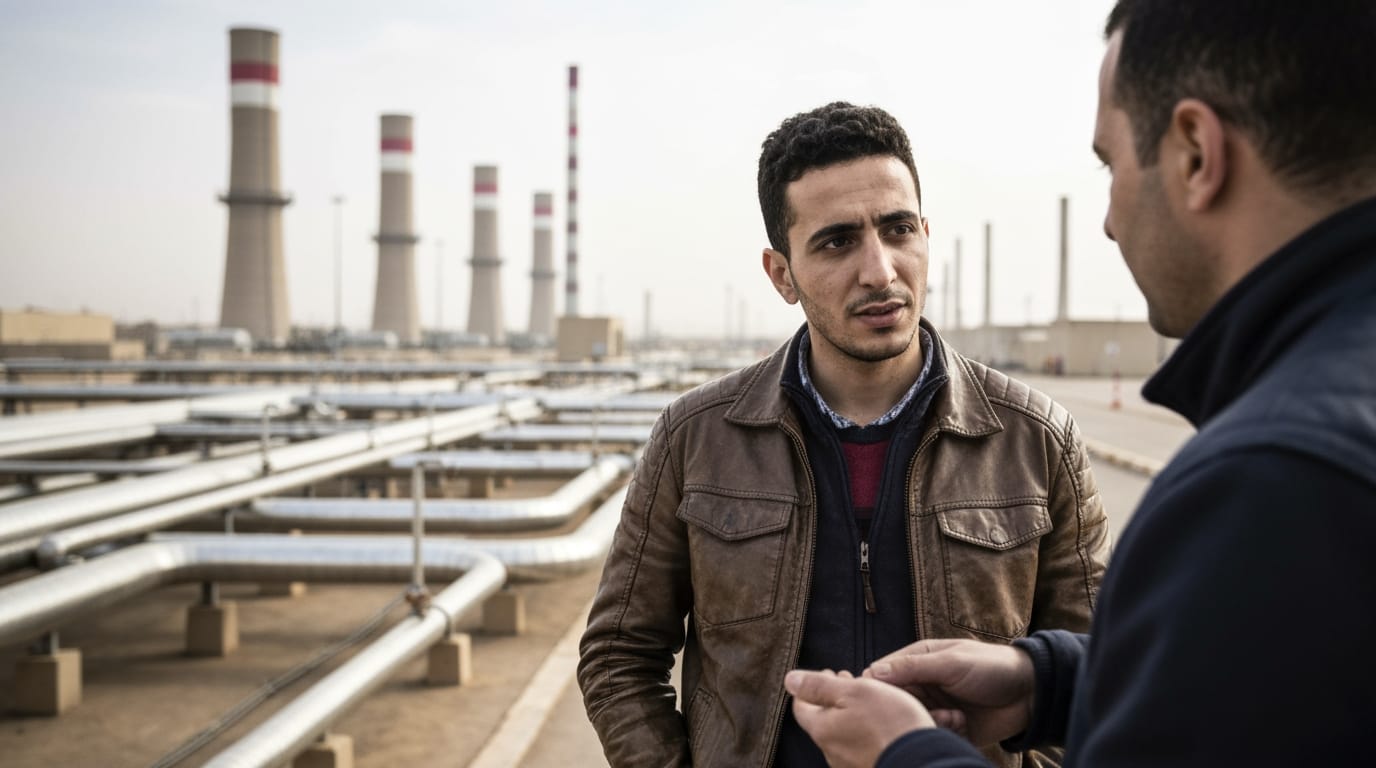
A profound reorientation of Europe's energy strategy is underway, elevating Algeria from a secondary supplier to a pivotal partner as the continent grapples with the fallout from global conflicts and seeks to diversify its energy sources. Amid regional tensions and an urgent need to secure stable gas supplies, Algeria's strategic location and extensive pipeline network are positioning it as an indispensable element in the European Union's energy security architecture. This shift is driven by the EU's imperative to reduce reliance on Russian fossil fuels and navigate renewed instability in the Middle East, compelling Brussels to forge stronger ties with North African energy producers.
Europe's Desperate Search for Energy Security
The European Union's quest for energy independence gained critical urgency following Russia's invasion of Ukraine in 2022, prompting the launch of the REPowerEU Plan to systematically phase out Russian fossil fuel imports. The plan mandates a cessation of all Russian pipeline and liquefied natural gas (LNG) imports by November 2027, marking a radical departure from decades of energy policy. This strategic pivot has been further complicated by escalating tensions and supply disruptions in the Middle East, particularly affecting the Strait of Hormuz, which have introduced significant volatility into global energy markets and priced substantial volumes of Middle Eastern LNG out of European reach. Despite ambitious decarbonization targets, crude oil and natural gas still comprise nearly 60% of the EU's energy mix, underscoring the immediate need for reliable alternative sources. European efforts are now intensely focused on securing diverse supplies and accelerating the transition to clean energy, with a renewed appreciation for existing pipeline infrastructure from politically stable regions.
Algeria's Strategic Advantage: Pipelines to the Continent
Algeria, an OPEC member with significant conventional oil and gas reserves, has historically been a key, albeit often underappreciated, natural gas supplier to Europe. This status has been dramatically elevated in recent years. In 2024, Algeria accounted for approximately 14.4% of the EU's total gas imports, solidifying its position as one of the largest non-Russian pipeline suppliers. This share further increased to 18.5% of the EU's gaseous natural gas imports in 2025, climbing to 20% in the first quarter of 2026. In January 2026 alone, Algerian pipeline gas exports to Europe surged by 22% year-on-year, a clear indicator of its growing importance.
The backbone of Algeria's export capacity lies in its robust pipeline infrastructure directly connecting to Southern Europe, offering a significant advantage over LNG imports susceptible to maritime disruptions. The Trans-Mediterranean Pipeline, also known as the Enrico Mattei pipeline or TransMed, transports natural gas to Italy via Tunisia and Sicily. Commissioned in 1983, its capacity has been progressively expanded, reaching 30.2 billion cubic meters per year (bcm/y) and targeted to increase to 33.5 bcm/y. In April 2022, an agreement between Italy's Eni and Algeria's Sonatrach aimed to boost supplies via TransMed from 11 bcm to a maximum of 31 bcm by 2023-2024, positioning Algeria as Italy's primary pipeline supplier.
Complementing this is the Medgaz pipeline, a submarine link stretching from Algeria's Hassi R'Mel gas field to Almería, Spain, with an initial capacity of 8 bcm/year. Spain and Algeria are reportedly in discussions to increase Medgaz supplies by up to 10%. These direct pipeline connections provide Europe with a lower-risk supply channel, particularly in a volatile geopolitical climate. To further capitalize on this, Algeria has initiated a substantial $60 billion investment plan for 2025-2029, with 80% allocated to upstream exploration and production activities to unlock untapped reserves and bolster export potential.
Regional Tensions and Geopolitical Maneuvering
Algeria's ascendant role on the European energy stage is inextricably linked to the complex geopolitical dynamics of the Maghreb region. A decades-long diplomatic rivalry with neighboring Morocco, primarily centered on the disputed Western Sahara territory, continues to cast a long shadow. This animosity intensified when Algeria severed diplomatic ties with Morocco in August 2021. A direct consequence was Algeria's decision not to renew the operating contract for the Maghreb-Europe Gas Pipeline (MEG) in October 2021, which previously transported Algerian gas through Moroccan territory to Spain and Portugal. Since June 2022, a portion of the MEG pipeline has been reversed to allow Spain to export gas to Morocco, highlighting the intricate interplay of energy and diplomacy in the region.
Analysts observe that both Algeria and Morocco utilize energy and trade as instruments of political signaling and competition for influence. Algeria has at times been accused of leveraging its gas exports for political ends, a factor that Europe must navigate carefully as it seeks to secure supplies. Furthermore, Algeria's enduring close security ties with Russia present a complicated backdrop to its strengthening energy relationship with the EU, creating a delicate balancing act for European diplomacy.
Beyond Gas: The Green Energy Horizon
While fossil fuels dominate the current energy discourse, Europe's long-term strategy for energy security also critically involves diversifying into renewable sources and green hydrogen. In this arena, Algeria is emerging as a potentially central pillar for the EU's clean energy ambitions. The European Union's Trans-Mediterranean Renewable Energy and Clean Tech Cooperation (T-MED) initiative aims to develop large-scale renewable energy and green hydrogen capacity across the Southern Mediterranean, with Algeria identified as a key contributor.
Algeria's vast solar potential positions it to become a long-term, low-cost supplier of renewable electricity to European markets, with planned investments under T-MED potentially mobilizing up to €25 billion across the region by 2035. Countries like Germany are actively pursuing cooperation with Algeria on green hydrogen, gas, and helium, signaling a broader, forward-looking energy partnership that extends beyond traditional hydrocarbons. This transition aligns with the EU's commitment to decarbonization and represents an opportunity for Algeria to diversify its own economy, which heavily relies on oil and gas revenues.
Conclusion: A Complex Interdependence
Algeria's expanded role in Europe's energy matrix represents a significant strategic realignment, born from the confluence of geopolitical instability and the urgent need for diversification. Its established pipeline networks offer a tangible and relatively secure pathway for natural gas to reach Europe, providing a critical buffer in a volatile global energy landscape. However, this growing interdependence is not without its complexities, including regional political rivalries and Algeria's own foreign policy alignments.
Looking forward, the evolving partnership between Algeria and the EU will be defined not only by the flow of hydrocarbons but also by collaborative efforts in renewable energy and green hydrogen. As Europe seeks to balance immediate energy security needs with long-term climate goals, and as Algeria endeavors to leverage its energy resources for economic development and regional influence, their relationship will continue to be a crucial determinant of stability and prosperity across the Mediterranean. This intricate balance underscores the multifaceted challenges and opportunities inherent in forging a resilient and sustainable energy future for both continents.


