Allegations of Ahmadinejad Plot Unveil Intensifying Information War in Iran
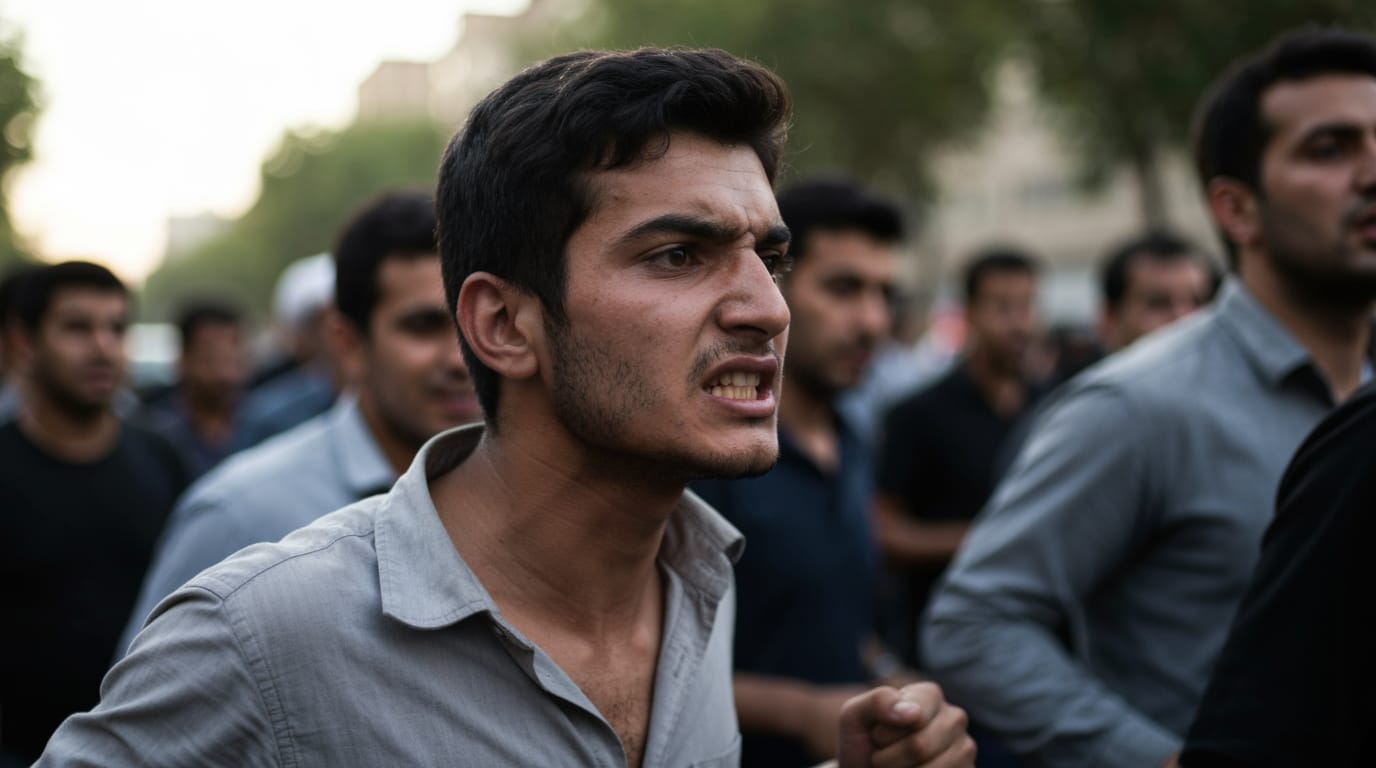
A sensational series of reports has cast a stark light on the covert struggle for influence within Iran, alleging a sophisticated plot involving former President Mahmoud Ahmadinejad and external intelligence agencies. The claims, originating from prominent international news outlets, detail an audacious plan to install Ahmadinejad as Iran's new leader following a targeted regime change operation. These explosive revelations, vehemently denied by Ahmadinejad's office, have ignited a fierce information war, exposing the complex and often murky battlegrounds of political power and perception in a nation grappling with internal dissent and external pressures.
The Architected Takeover: Details of a Covert Strategy
Reports published by The New York Times and Haaretz describe an elaborate scheme, reportedly devised by Israeli intelligence agency Mossad, to reshape Iran's leadership structure. The alleged strategy envisioned Mahmoud Ahmadinejad, a figure known for his controversial presidency, ascending to power in the aftermath of a planned removal of Supreme Leader Ayatollah Ali Khamenei and other high-ranking Iranian officials. This multi-stage operation, dubbed "Operation Puss in Boots" by one account, reportedly formed part of a broader US-Israeli campaign against the Islamic Republic, which commenced with aerial strikes that killed top Iranian officials. Further elements of the alleged plan included the mobilization of Kurdish forces to destabilize the region and extensive influence operations within Iran itself.
According to these accounts, the premise of the plan was that if Iran's regime fractured under military pressure, Ahmadinejad could emerge as a viable replacement for the Supreme Leader. The strategy allegedly incorporated a combination of military actions and internal destabilization efforts, with the ultimate goal of installing a more compliant leadership. The alleged plot reportedly gained momentum with the belief that Ahmadinejad, despite his hardline past, had become increasingly critical of the existing Iranian establishment, potentially making him receptive to such an overture.
Ahmadinejad's Alleged Role and a Mysterious Strike
Central to the alleged conspiracy was the reported cultivation of Mahmoud Ahmadinejad by Mossad as an intelligence asset, a relationship that purportedly began as early as 2022. Reports indicate that Mossad focused on Ahmadinejad's evolving views, particularly his belief that Iran could not sustain itself under sanctions and that its nuclear program had become a burden. Secret meetings between Ahmadinejad and Israeli operatives were reportedly arranged abroad, including in Budapest and during a 2023 trip to Guatemala. At least one account claims that then-Mossad chief David Barnea personally met with Ahmadinejad in Budapest, with Mossad subsequently informing the CIA of these contacts.
The alleged operation reportedly reached a critical juncture in late February, during the initial phase of the US-Israeli conflict with Iran. An Israeli strike reportedly targeted Ahmadinejad's compound in Tehran, damaging a building used by his bodyguards and his armored vehicle. While initial reports claimed he had been killed, later accounts suggested he survived but was wounded. Sources close to Ahmadinejad reportedly indicated that the strike was not an assassination attempt but rather intended to "break him out of effective house arrest". Following the strike, it was alleged that Mossad operatives extracted him from the scene and transported him to a safe house inside Iran. His whereabouts remained unknown for a period, though he recently reappeared publicly at the funeral of Supreme Leader Ali Khamenei.
The Information Battlefield: Denials and Conflicting Narratives
The intricate details of the alleged plot have been met with swift and categorical denials from Mahmoud Ahmadinejad's office. In an official statement, his office dismissed the reports as "Hollywood material" and "fabricated stories" designed to mislead the public and sow internal divisions within Iran. The denial specifically targeted claims of Mossad recruitment and his supposed house arrest, calling them entirely untrue and an invention.
These counter-statements underscore a significant dimension of the unfolding situation: an intense information war. While the international reports detail a covert operation aimed at regime change, the Iranian response frames these narratives as deliberate attempts to destabilize the nation through misinformation. This clash of narratives highlights how allegations, whether true or fabricated, become potent weapons in the geopolitical arena, shaping public opinion and influencing internal dynamics. The focus shifts from merely the alleged events to the battle over their interpretation and credibility, a common characteristic of modern information warfare.
A Divisive Figure's Unpredictable Trajectory
Mahmoud Ahmadinejad's potential involvement in such a scheme, even if only alleged, is particularly striking given his political history. He served as Iran's president from 2005 to 2013, a period marked by his staunch anti-Israel rhetoric, denial of the Holocaust, and hardline nationalist stances. During his tenure, he famously advocated for the destruction of Israel and supported Iran's nuclear program. His past actions and pronouncements made him an internationally polarizing figure, and The New York Times acknowledged that his selection for such a role would be "a vast understatement" of unusual.
However, in recent years, Ahmadinejad has publicly distanced himself from the ruling establishment, openly criticizing Supreme Leader Ali Khamenei's government for alleged corruption and mismanagement. He was also barred from standing in subsequent presidential elections, signaling a significant rift with the current power structure. This complex and often contradictory political trajectory, from a fervent regime loyalist to a vocal critic, provides some context for why external actors might have considered him a potential asset in a future leadership scenario, despite his history.
Conclusion: Echoes of Instability in a Volatile Region
The allegations surrounding an Ahmadinejad plot and the subsequent information skirmish paint a vivid picture of the deep-seated political tensions and external interventions shaping Iran's future. The reports, if accurate, point to a brazen attempt by foreign powers to engineer regime change through unconventional means, while the vigorous denials from within Iran highlight a concerted effort to control the narrative and maintain internal cohesion amidst a state of war.
The implications of these revelations are far-reaching. They not only expose the extraordinary political calculations behind the ongoing conflict but also underscore the inherent risks of external attempts to reshape a nation from within. For Iran, these claims contribute to an already volatile internal landscape, where power struggles and succession dynamics are perpetual undercurrents. As the region edges deeper into instability, the battle for truth and influence – the information war – will likely prove as critical as any kinetic conflict, determining not only the credibility of the narratives but potentially the very future trajectory of the Islamic Republic.


