Almaty Steps in as New Host for 2029 Asian Winter Games, Replacing Saudi Arabia's Neom
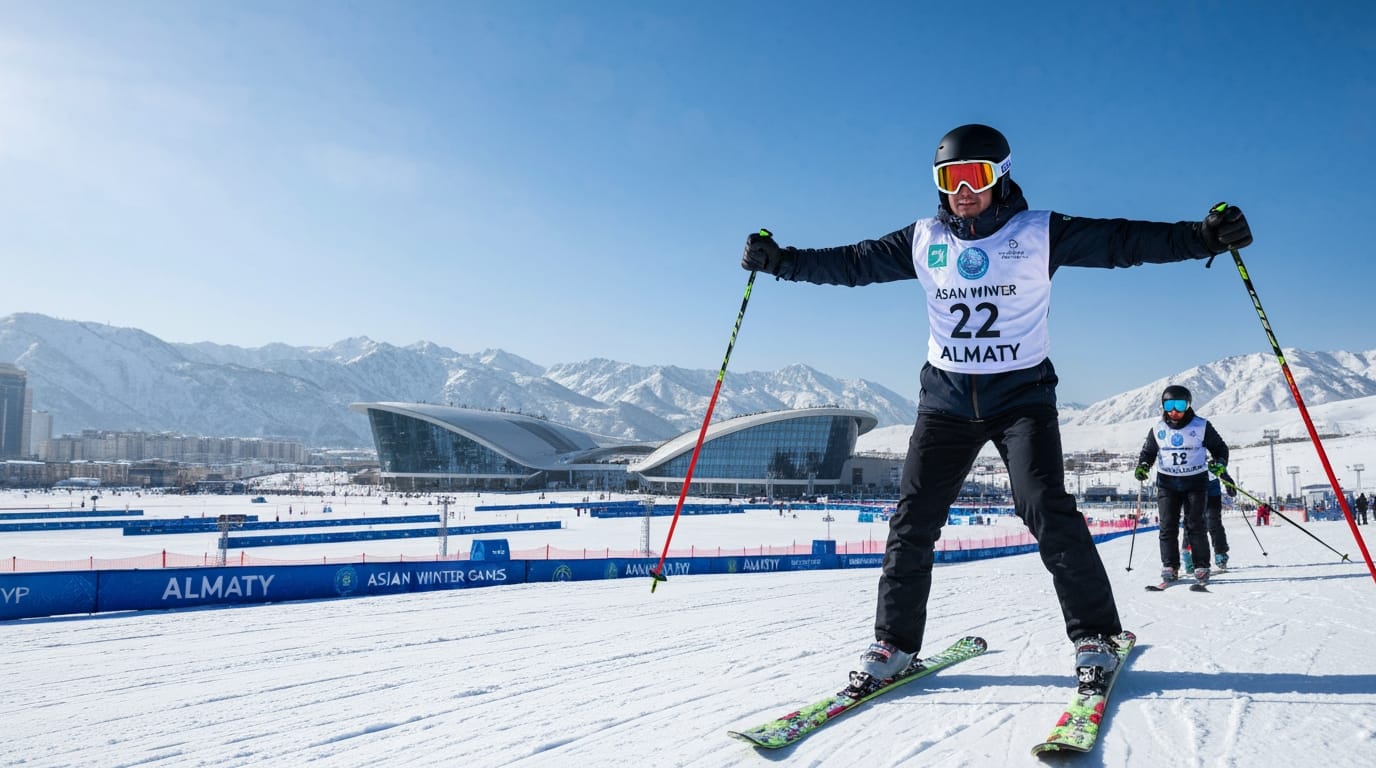
Almaty, Kazakhstan, has been officially designated as the new host city for the 10th Asian Winter Games in 2029, a pivotal announcement that shifts the highly anticipated event from Saudi Arabia's ambitious Neom project. The decision, formalized by the Olympic Council of Asia (OCA) in Milan, comes after reports of significant construction delays at Neom's planned Trojena ski resort, rendering it unprepared to host the quadrennial multi-sport event as initially scheduled. This development marks a significant turn for the games, moving them to a city with an established winter sports legacy and existing infrastructure.
The Shift to a Seasoned Host
The Olympic Council of Asia confirmed Almaty's role as the host city during a contract signing ceremony held in Milan, Italy, on Thursday, February 5, 2026. This formalizes a change that followed the OCA's announcement on January 24, 2026, that the games originally slated for Neom would be postponed due to the host's inability to meet the planned timeline. Kazakhstan's National Olympic Committee and the city of Almaty readily accepted the responsibility, positioning a city with a rich history in winter sports to stage the event.
OCA President Sheikh Joaan bin Hamad Al Thani expressed gratitude to the Kazakh government and Almaty for their commitment to developing winter sports in Asia, highlighting the city's deep connections to such events. The choice of Almaty is seen as a pragmatic move, leveraging its existing sports facilities and organizational experience. This approach ensures a rational and well-balanced execution of the Games, diverging from the extensive new construction required by the initial host.
Neom's Grand Vision Meets Reality
Saudi Arabia's futuristic mega-city project, Neom, had secured the hosting rights for the 2029 Asian Winter Games in October 2022, with plans to hold the events in its mountainous region of Trojena. This would have marked a historic first for the Arabian Peninsula, bringing winter sports to a desert nation as part of Saudi Arabia's ambitious Vision 2030 — a strategy aimed at diversifying its economy and establishing the kingdom as a global hub for tourism and major events. The Trojena project, envisioned as a year-round ski resort within the $500 billion Neom development, promised a unique and awe-inspiring setting in the Tabuk region, complete with an artificial lake and designs by renowned architectural firms.
However, the audacious plan encountered substantial hurdles. Reports indicated that construction on the Trojena resort, which was originally projected for completion in 2026, had faced significant delays. These setbacks ultimately led to Saudi Arabia's apparent stall in delivery, prompting discussions about postponing their hosting duties by several years. The scale of building a full-fledged ski resort and winter sports infrastructure from the ground up in a challenging environment proved to be a more formidable task than initially anticipated, making the 2029 timeline unworkable.
Almaty's Enduring Winter Sports Legacy
Almaty is no stranger to the grand stage of international winter sports. The city previously co-hosted the 7th Asian Winter Games in 2011 alongside the capital, Astana, demonstrating its capability to manage a multi-sport event of this magnitude. During those games, Kazakhstan topped the medal standings, showcasing both organizational prowess and athletic competitiveness. Furthermore, Almaty successfully hosted the Winter Universiade in 2017, a major international multi-sport event for university athletes. The city also notably mounted an unsuccessful but competitive bid for the 2022 Winter Olympics, ultimately losing out to Beijing.
This extensive experience means Almaty possesses a robust foundation of existing venues and a seasoned logistical framework, negating the need for entirely new construction. The Ministry of Tourism and Sports in Kazakhstan noted that the country already has the necessary facilities, which are regularly utilized for athlete training, championships, and promoting a healthy lifestyle. This reliance on established infrastructure offers a stark contrast to Neom's greenfield development and underscores Almaty's immediate readiness and efficiency as a host.
Implications and Future Outlook
The relocation of the 2029 Asian Winter Games carries significant implications for both Saudi Arabia and Kazakhstan. For Neom, the withdrawal from hosting the games, while a setback for its ambitious timeline, does not necessarily halt the broader Trojena project. The focus may now shift to ensuring its comprehensive development without the immediate pressure of a major international sporting event deadline. Saudi Arabia's Vision 2030 remains a driving force for extensive investments in sports and tourism, and the kingdom continues to pursue other large-scale events and projects.
For Almaty, hosting the Games presents a fresh opportunity to bolster its international profile, stimulate local sports development, and attract tourism. The event is strategically important for Kazakhstan, affirming the international sports community's trust in its capabilities and its potential to host high-level tournaments. The emphasis on utilizing existing infrastructure also aligns with growing calls for more sustainable and cost-effective approaches to major sporting events, offering a model that may resonate more broadly within the Olympic movement.
The 2029 Asian Winter Games will serve as a crucial platform for strengthening cooperation among National Olympic Committees across Asia. With Almaty's proven track record and existing facilities, the OCA anticipates broad participation and expects the event to further reinforce Asia's presence in winter disciplines. This shift ensures the continuation of the Games without undue delay, upholding the spirit of competition and camaraderie that defines the event.


