Alpine Pass Protest Plunges European Travel into Uncertainty
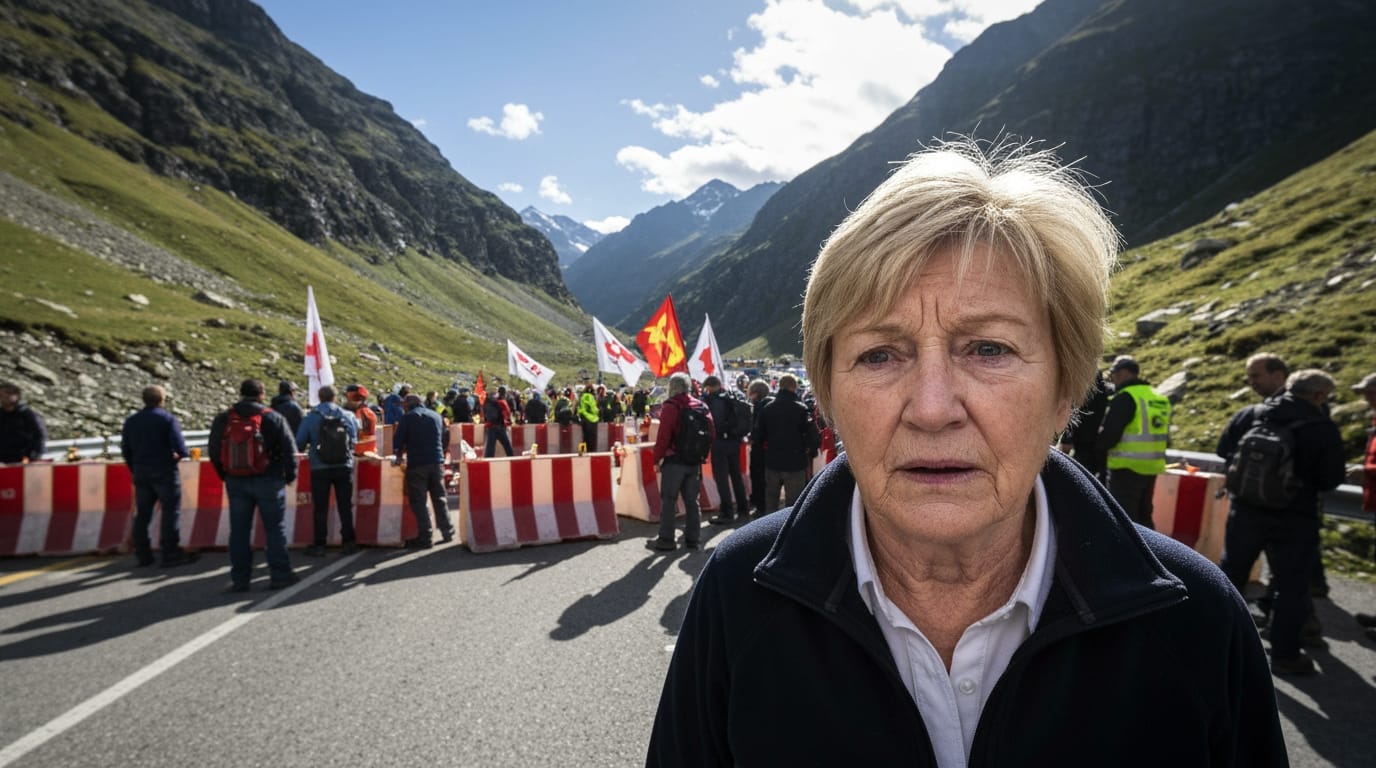
A major demonstration threatening to block the critical Brenner Pass has sparked fears of widespread traffic chaos across central Europe, with significant repercussions expected for travelers and freight bound for and from Germany. Local residents, long exasperated by the relentless increase in transit traffic, are staging the protest on the vital Alpine route connecting Austria and Italy, promising extensive delays and disruption on Saturday, May 30, 2026.
The planned blockade highlights a burgeoning tension between the demands of continental transit and the quality of life for communities situated along Europe's busiest mountain corridors. With a substantial portion of the traffic comprising German holidaymakers, the protest underscores a growing regional discontent that could reverberate throughout the European transport network.
The Brenner: Europe's Crucial Chokepoint Under Threat
The Brenner Pass stands as one of the most indispensable arteries for transportation between Northern and Southern Europe. For decades, traffic along this route has steadily increased, transforming it into a conduit for countless vehicles, both commercial and private. The imminent protest targets this very congestion, aiming to bring the flow of goods and people to a standstill. Any significant disruption here inevitably creates a ripple effect, causing extensive delays that will stretch well into Germany, impacting major transit routes and schedules.
The timing of the demonstration, coinciding with what is typically a period of increased travel as other major Alpine passes reopen for the summer season, is particularly salient. While passes like Furka, Grimsel, and Nufenen in Switzerland have just reopened after their winter closures, signaling an easing of travel restrictions across the Alps, the Brenner protest introduces a new and potentially severe bottleneck.
Communities at the Crossroads: A Plea for Peace
At the heart of the planned disruption lies the profound frustration of residents in the Brenner region. These communities have endured the brunt of ever-increasing traffic, suffering from the associated health and well-being hazards. The constant noise, pollution, and safety concerns stemming from heavy vehicle movement have fueled years of grievances. Local activism has grown in response, with residents seeking to draw critical attention to their plight and demand sustainable solutions for managing the overwhelming volume of vehicles. Their actions serve as a stark reminder of the human cost of unbridled transit growth and the environmental pressures exerted on fragile Alpine ecosystems.
Projected Chaos: Travel and Economic Repercussions
The prospect of a blocked Brenner Pass sends shivers through logistical and travel industries across the continent. Long delays are not merely an inconvenience; they translate into significant economic losses for freight companies and considerable stress for thousands of travelers. The "chaos possible" forecast for Saturday is a grave concern for holidaymakers, many of whom are German tourists heading south, whose journeys could be extended by many hours or even days.
Such disruptions have historical parallels in the region. Previous instances of severe weather, like heavy snow in Germany and Austria, have led to travel chaos, closed roads, and significant airport disruptions, highlighting the vulnerability of Alpine transit to unforeseen events. While the current situation is driven by human action rather than nature, the potential for widespread gridlock and frustration remains equally high. Authorities will likely issue advisories, urging drivers to seek alternative routes or postpone non-essential travel, although viable alternatives for a corridor as critical as the Brenner are limited and often already heavily utilized.
Navigating the Impasse: Calls for Sustainable Solutions
The protest on the Brenner Pass underscores the ongoing challenge for European policymakers to reconcile economic growth driven by cross-border trade and tourism with the environmental and social welfare of local communities. While police and transportation authorities typically work to manage demonstrations and mitigate their impact, the effectiveness of such measures against a determined blockade on a crucial route is often limited.
The incident serves as a call for broader, more sustainable solutions for Alpine transit. Discussions around shifting more freight to rail, implementing stricter vehicle emission standards, and developing comprehensive traffic management strategies become even more urgent in the face of such direct action. Without long-term solutions, the intermittent chaos caused by community protests along vital routes like the Brenner Pass is likely to continue, disrupting travel and trade across Europe.
The coming hours will determine the full extent of the disruption, but the message from the Brenner region is clear: the current trajectory of traffic growth is unsustainable, and the cost is being borne disproportionately by those living on the front lines of European transit. The situation demands attention and coordinated efforts to ensure that the vital economic function of Alpine passes does not irrevocably compromise the well-being of the communities they traverse.


