Malta Heads to Polls in Snap Election Amidst Global Instability
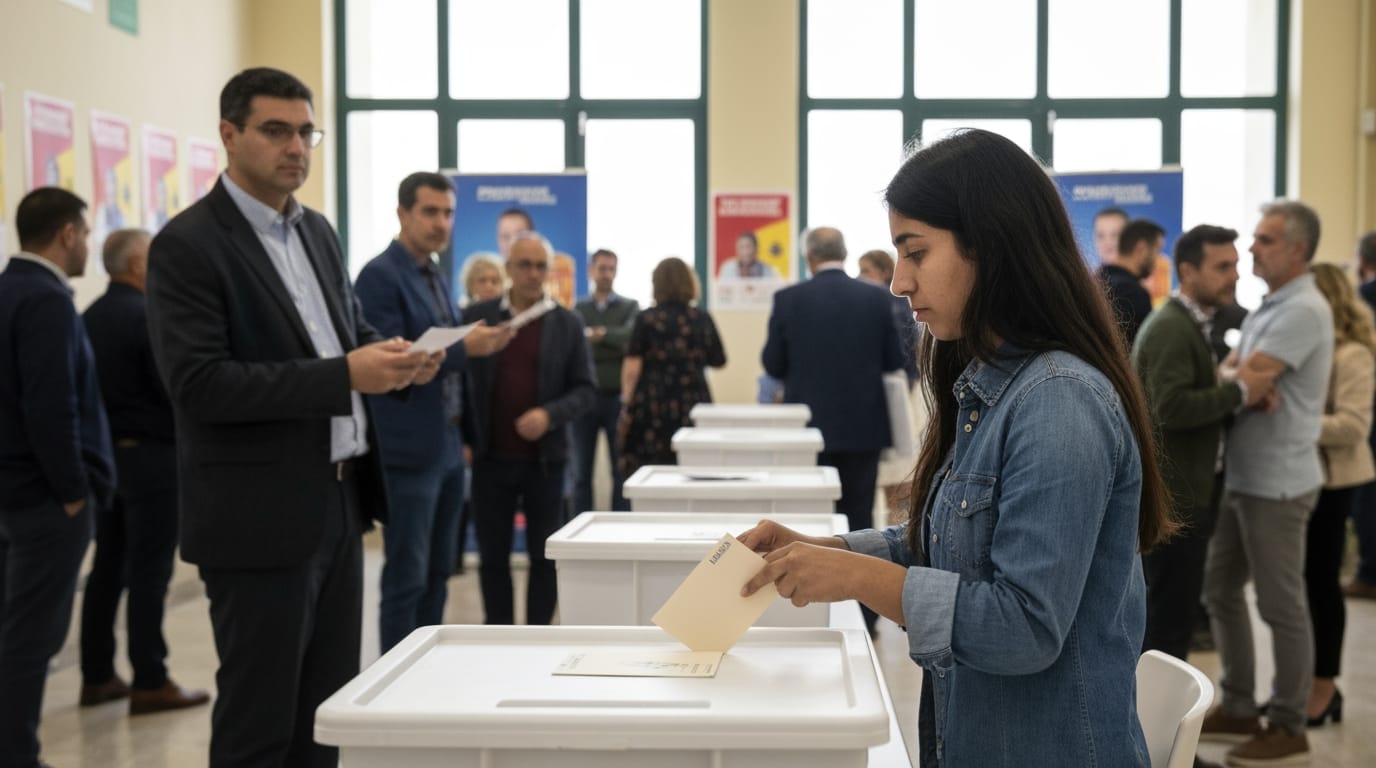
VALLETTA – Malta is voting today, May 30, 2026, in a snap parliamentary election called by Prime Minister Robert Abela, who seeks a fresh mandate to navigate the small island nation through a period of heightened international instability. The decision to bring forward the general election by several months, initially slated for early 2027, underscores the government's perceived need for strong and unified leadership as global geopolitical tensions, particularly the conflict involving Iran, contribute to an ongoing energy crisis. Polling stations across Malta and Gozo opened this morning, with 356,832 registered voters eligible to cast their ballots, determining whether the Labour Party will secure an unprecedented fourth consecutive term in office.
The Rationale Behind the Early Call
Prime Minister Robert Abela, 48, announced the early election in late April, citing a turbulent international environment and the need for continuity and stability. In a televised address and statements on social media, Abela emphasized that Malta requires an elected government with a renewed mandate to focus solely on the country's needs, especially given the challenges posed by the evolving global situation. He specifically pointed to the energy crisis, exacerbated by the Iran conflict, and assured the public that his future administration has a long-term plan to ensure stable electricity, water, and fuel prices. This strategic move by the Labour leader aims to solidify his government's position ahead of potentially worsening global economic and political headwinds.
A Test for Political Leadership
The snap election marks a significant moment for both the incumbent Labour Party and the conservative Nationalist Party. Prime Minister Abela leads the Labour Party, which achieved its largest electoral victory in 2022 under his leadership, securing a margin of nearly 40,000 votes. However, the party's performance in the 2024 European elections saw a reduced winning margin of approximately 8,000 votes, signaling a potential shift in voter sentiment. For the Nationalist Party, this election represents the first major electoral test for its relatively new leader, Alex Borg, 30, who was elected to his post just six months ago. Borg's party includes prominent figures such as EU Parliament President Roberta Metsola, and the campaign is expected to be a direct contest between the two dominant political forces in Malta.
Electoral Logistics and Voter Engagement
The Electoral Commission has outlined detailed procedures for today's voting, which commenced at 7 AM and will continue uninterrupted until 10 PM. Voters are required to present their voting document along with a valid form of identification. A total of 162 candidates are contesting the election across 13 electoral districts, each returning five members of parliament. Six political parties have fielded candidates, alongside two independents. Early voting provisions were made for individuals who would be abroad or hospitalized on polling day, with declarations accepted up to May 22, 2026. This ensures that as many eligible voters as possible have the opportunity to participate in this crucial democratic exercise.
Historical Precedent of Early Elections
While early elections are not common, Malta has seen precedents for such calls. In June 2017, then-Prime Minister Joseph Muscat called a snap election a year ahead of schedule amidst corruption allegations linked to the Panama Papers scandal. Despite the controversy, Muscat's Labour Party won with a significant 55.04% of the vote, securing an absolute majority. Another instance occurred in September 1998, when internal dissent within the ruling Labour Party precipitated an early election, leading to the Nationalist Party's return to power. These historical events illustrate that Maltese political leaders have, at times, resorted to early elections to either consolidate power or seek a renewed mandate in challenging circumstances.
Conclusion: A Nation at a Crossroads
As Malta casts its votes today, the outcome of this snap election will have profound implications for the nation's political landscape and its approach to future domestic and international challenges. Prime Minister Abela's call for an early election is a calculated risk, seeking to leverage a perceived need for stability against a backdrop of global uncertainty. The result will not only determine the leadership for the coming years but also reflect the Maltese electorate's confidence in the government's ability to navigate complex geopolitical and economic currents. With a highly engaged electorate and a history of robust democratic participation, the eyes of Malta, and indeed parts of Europe, will be on the counting halls in Naxxar as the nation awaits its verdict.


