American Tourist Dies in Tragic Lightning Strike on Mount Etna
CATANIA, SICILY – A 29-year-old American tourist from Kansas died Sunday evening after being struck by lightning while hiking on Sicily's Mount Etna, Europe's largest and most active volcano. The tragic incident, confirmed by Italian firefighters on Monday, serves as a stark reminder of the inherent dangers of mountainous terrain, particularly during volatile weather conditions and periods of heightened volcanic activity.
The man, whose identity has not yet been released by authorities, was rescued by helicopter from an exposed, barren area of the volcano but was later pronounced dead by medical personnel. His death comes as Mount Etna continues a period of intense activity, prompting closures of certain areas to hikers and disrupting air travel in the region.
The Fatal Ascent and Rescue Efforts
The incident unfolded Sunday evening as a powerful thunderstorm swept across the area of Mount Etna. The American tourist was reportedly struck by lightning at an altitude of approximately 1,400 meters (nearly 4,600 feet) in the Rocca Capra area. The rapid onset of severe weather is a known hazard on high-altitude, exposed landscapes like Etna, where conditions can change drastically and without much warning.
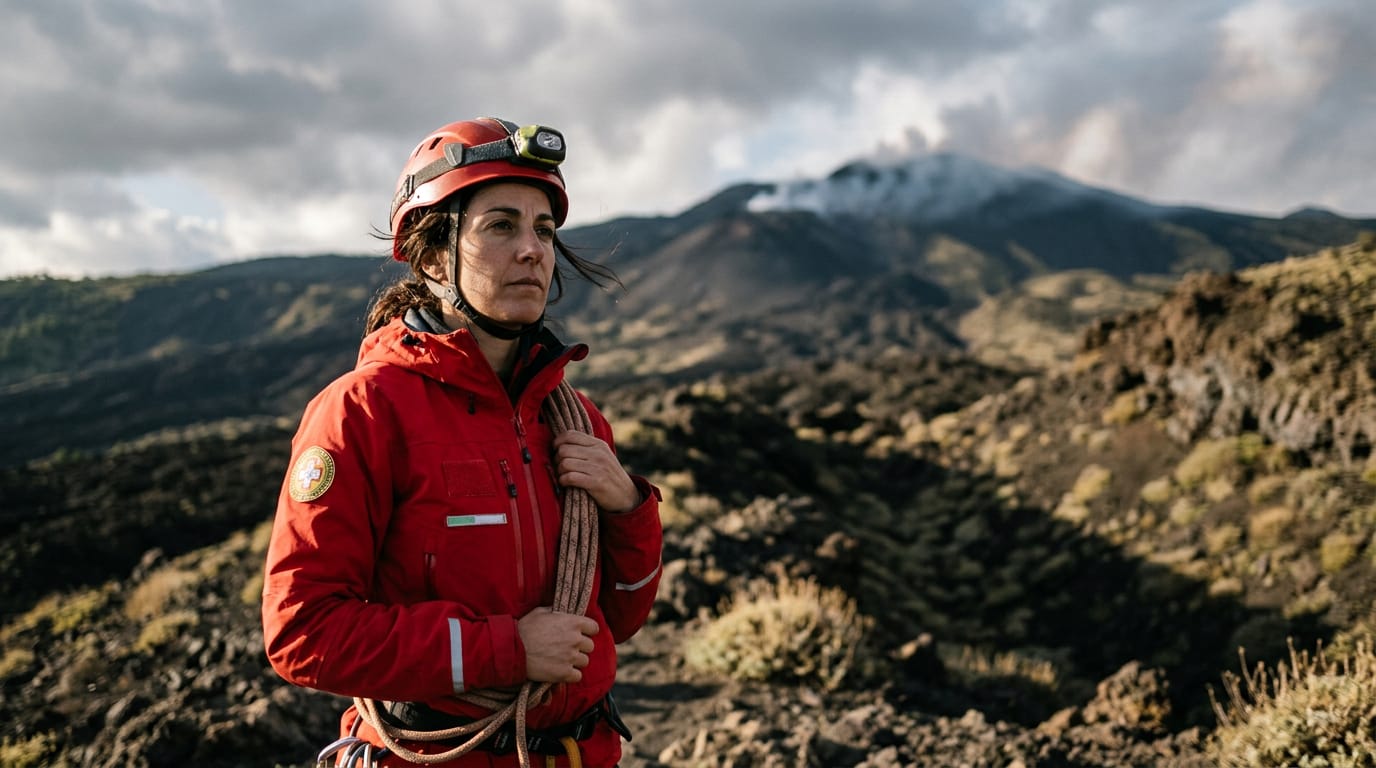
Emergency services were immediately dispatched following reports of the lightning strike. Italian firefighters, along with rescue teams, mounted a challenging operation to reach the injured hiker. A helicopter was utilized to extract the man from the difficult terrain. Despite swift rescue efforts and transport to a medical facility, the man succumbed to his injuries. He was declared dead by medical personnel, with some reports indicating he was transported to Cannizzaro Hospital in Catania.
Navigating a Volatile Landscape
Mount Etna has been experiencing a significant period of eruptive activity in recent weeks, characterized by repeated lava flows and ash emissions. This ongoing activity had already led authorities to close vast areas of the volcano's slopes to visitors as a safety precaution. The ash plumes from the volcano had severely impacted local infrastructure, including forcing the closure of Catania International Airport for much of the previous week, causing widespread travel disruptions during the busy summer season.
The precise location of the hiker at the time of the strike has drawn attention, with conflicting reports regarding his adherence to restricted access zones. While some sources initially stated it was unclear if he was in such an area, others, citing initial reports, suggested he had entered an area designated as off-limits to hikers, possibly in an attempt to get closer to the summit of the active volcano. This discrepancy underscores the critical importance of observing all safety regulations and designated paths when exploring natural wonders, especially those with dynamic geological activity.
Etna's Unpredictable Dangers
The death of the American tourist highlights a lesser-known but statistically more prevalent danger on Mount Etna: lightning strikes. Officials have noted that over recent decades, more fatalities on Etna have been attributed to lightning than to volcanic activity itself. The last eruption-related deaths on the volcano occurred in 1987, emphasizing the insidious threat posed by atmospheric electrical discharges in exposed, high-altitude environments.
Mount Etna, attracting approximately 1.5 million visitors annually, is a major draw for tourists seeking to witness its majestic power and unique landscapes. However, its allure is matched by its inherent risks. Hikers are consistently advised to check weather forecasts, be aware of their surroundings, and strictly adhere to official guidelines and warnings issued by local authorities. The presence of metal hiking poles and other equipment can also increase the risk of a lightning strike in a thunderstorm.
A Broader Call for Caution
This tragic event serves as a somber reminder for adventurers globally about the unpredictable forces of nature. Mountains, volcanoes, and other exposed natural environments can quickly become hazardous, even for experienced hikers, when severe weather patterns emerge. The combination of high altitude, barren terrain, and sudden atmospheric changes creates a particularly dangerous scenario for lightning activity.
Authorities across various regions frequently issue warnings regarding mountain safety, urging individuals to remain vigilant and prioritize personal well-being over attempting to reach specific viewpoints or challenging routes when conditions are not optimal. The incident on Mount Etna reinforces the necessity of respecting these warnings and understanding that even the most well-planned excursions can be jeopardized by unforeseen natural phenomena. The international tourism community and local Sicilian authorities will undoubtedly continue to emphasize safety protocols to prevent future tragedies on this iconic, yet formidable, natural landmark.