Andy Burnham Takes Helm as UK's Seventh Prime Minister in a Decade, Facing Nation in Flux
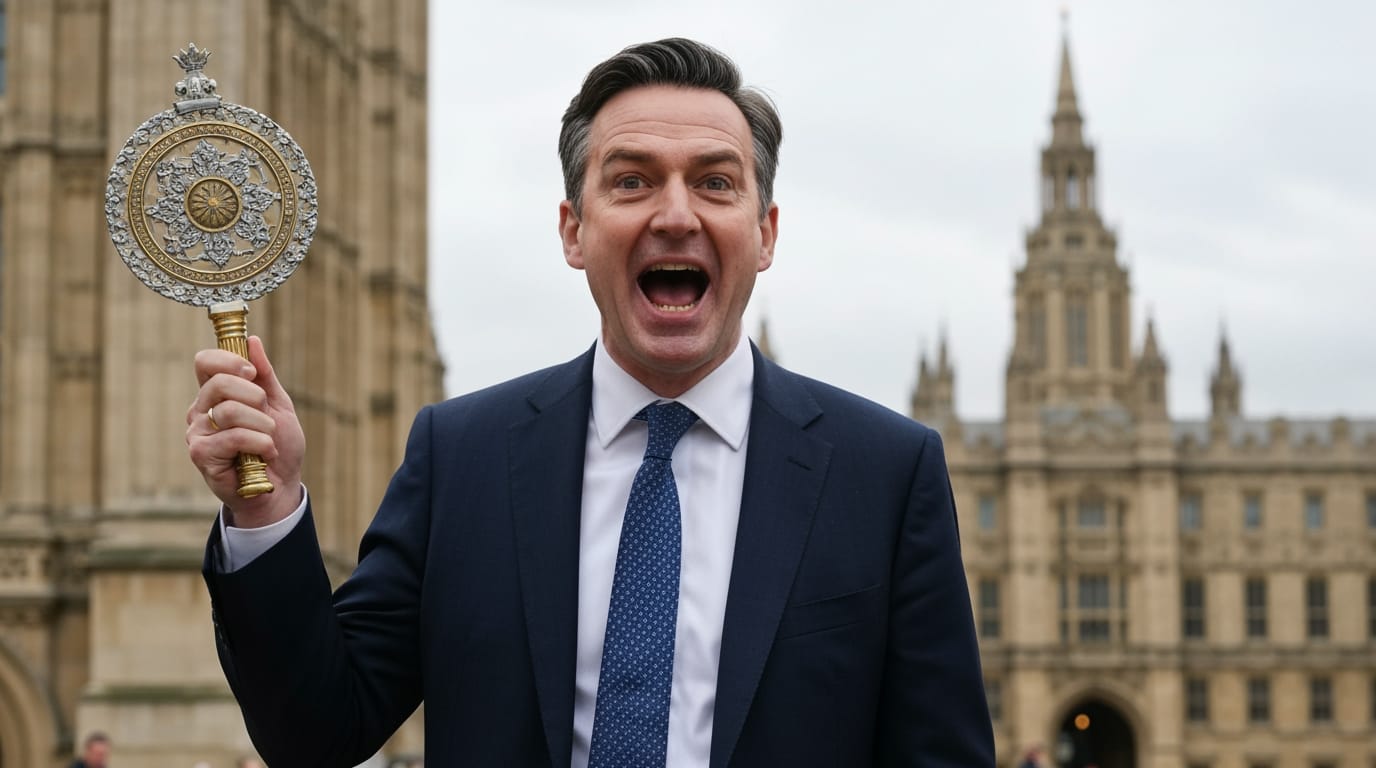
LONDON – Andy Burnham formally assumed office as the Prime Minister of the United Kingdom today, July 20, 2026, marking a pivotal moment in a period of unprecedented political volatility for the nation. His ascent to the premiership makes him the seventh individual to hold the UK's top political post in just over 10 years, underscoring a turbulent decade characterized by rapid leadership changes and profound national challenges. Burnham's appointment follows the resignation of his predecessor, Keir Starmer, who stepped down after facing mounting pressure due to a series of disappointing local election results and growing discontent within the Labour Party. As the former Mayor of Greater Manchester, Burnham enters Downing Street as the leader of the governing Labour Party, having been the sole contender in the recent leadership contest. His elevation represents a dramatic return to Westminster for a figure who has long cultivated an image as an advocate for the North, and he now faces the formidable task of steering a country grappling with economic headwinds, social divisions, and a complex international landscape.
A Decade of Unprecedented Political Turnover
The past 10 years have seen the United Kingdom endure a period of intense political instability, with the office of Prime Minister resembling a revolving door. Six leaders preceded Burnham since the 2016 Brexit referendum, each grappling with a series of domestic and international crises that ultimately led to their departure.
The sequence began with David Cameron, who resigned in July 2016 in the wake of the referendum vote to leave the European Union, a campaign he had ardently opposed. His successor, Theresa May, took on the monumental task of delivering Brexit but ultimately stepped down in May 2019, unable to secure parliamentary approval for her withdrawal agreement. Boris Johnson then assumed leadership, securing a large Conservative majority on a promise to "get Brexit done." However, his premiership was marred by a series of scandals, notably "Partygate," leading to mass resignations from his government and his eventual departure in September 2022.
The brief and tumultuous tenure of Liz Truss followed, making her the shortest-serving Prime Minister in UK history, resigning in October 2022 after just 49 days following a calamitous economic program that triggered market turmoil. Rishi Sunak stepped in to restore economic stability but, despite his efforts, the Conservative Party lost the subsequent general election in July 2024. Keir Starmer, leading the Labour Party to a landslide victory, promised a new era of stability. However, less than two years into his term, perceived policy missteps and a dismal showing in local elections led to growing pressure for his resignation, which he announced in June 2026. This rapid succession of leaders has been attributed to a confluence of factors, including persistent economic instability, heightened political polarization, and personal scandals, all of which have contributed to a volatile and unpredictable political environment.
Andy Burnham: From Manchester Mayor to National Leader
Andy Burnham, born on January 7, 1970, in Liverpool, brings a distinct political background to the premiership. Identified with the Labour Party's "soft left" faction and its socialist ideals, his political philosophy has been dubbed "Manchesterism," reflecting his strong regional ties and a unique governing approach. Burnham's political journey began in Westminster, where he was first elected as the Member of Parliament for Leigh in 2001, a seat he held until 2017. During this period, he served in several significant cabinet roles under then-Prime Minister Gordon Brown, including Chief Secretary to the Treasury from 2007 to 2008, Secretary of State for Culture, Media and Sport from 2008 to 2009, and Secretary of State for Health from 2009 to 2010.
Despite two previous unsuccessful bids for the Labour Party leadership, Burnham's political career took a distinctive turn when he left national politics to become the first Mayor of Greater Manchester in 2017. During his nine-year tenure as mayor, he carved out a formidable national profile, earning the moniker "King of the North." His leadership during the COVID-19 pandemic, where he famously clashed with the Conservative government over financial support for his region, cemented his reputation as a champion for the North of England. Burnham championed regional devolution, advocating for greater power for city councils, and his "Manchesterism" approach emphasized combining public investment with private sector partnerships to drive regional growth.
His return to Parliament in June 2026, winning the Makerfield by-election, was a crucial step in his path to the top. Having secured the Labour Party leadership on July 17, 2026, Burnham has rapidly ascended to the highest office, bringing with him a blend of local government experience and a seasoned understanding of national politics.
Formidable Challenges Ahead for the New Prime Minister
Prime Minister Burnham inherits an array of daunting challenges, both domestically and on the international stage. Economically, the UK is confronting a slowing economy, strained public finances, and persistent pressure on its public services. A key priority for Burnham will be addressing the ongoing cost of living crisis, having pledged to make Britain "more affordable" and to boost the economy while improving living standards for citizens. He is expected to consider measures such as easing restrictions on North Sea oil and gas drilling to help reduce energy bills, and has championed devolving power to regional hubs as a means for national growth. However, he faces the delicate balancing act of stimulating investment while maintaining fiscal credibility, particularly given Labour's existing commitments not to raise main tax rates, though he has not ruled out a wealth tax.
Domestically, Burnham must also contend with the rising popularity of the Reform UK party and persistent public concerns over immigration. While he supports reducing net migration, he also advocates for expanding safe and legal routes for refugees. Addressing ballooning welfare costs will be another significant hurdle. The broader political landscape also demands his attention, as he seeks to restore public trust in government and reconnect voters with politics, pledging to build "unity and hope" and make politics "less toxic."
On the international front, Burnham faces a complex and volatile environment. Despite his relatively limited foreign policy experience, he must navigate relations with a resurgent US President Donald Trump, maintain Britain's unwavering support for Ukraine, and define a distinct approach to the ongoing conflict in Gaza. There will also be pressure to increase defense spending to meet NATO targets. His ability to translate his "Manchesterism" model, honed in local government, into effective national and international policy will be under intense scrutiny. Burnham is expected to outline a "10-year plan" in his inaugural speech, signaling an intent for long-term vision amidst the recent short-term tenures.
A New Chapter Amidst Enduring Uncertainty
Andy Burnham's ascension to Prime Minister marks the latest chapter in a turbulent political saga for the United Kingdom. His arrival, as the seventh leader in a decade, underscores a profound period of national instability and a collective desire for consistent and effective leadership. While he brings significant experience and a clear vision for regional empowerment, the scale of the challenges ahead is immense. From revitalizing a sluggish economy and navigating complex social issues to establishing Britain's role on a volatile global stage, Burnham's tenure will test his political acumen and capacity for national unity. The coming months will reveal whether this new leadership can finally bring the sustained stability and progress that the nation has sought for so long.


