Annalena Baerbock Poised to Take on Top UN Role After German Government Exit
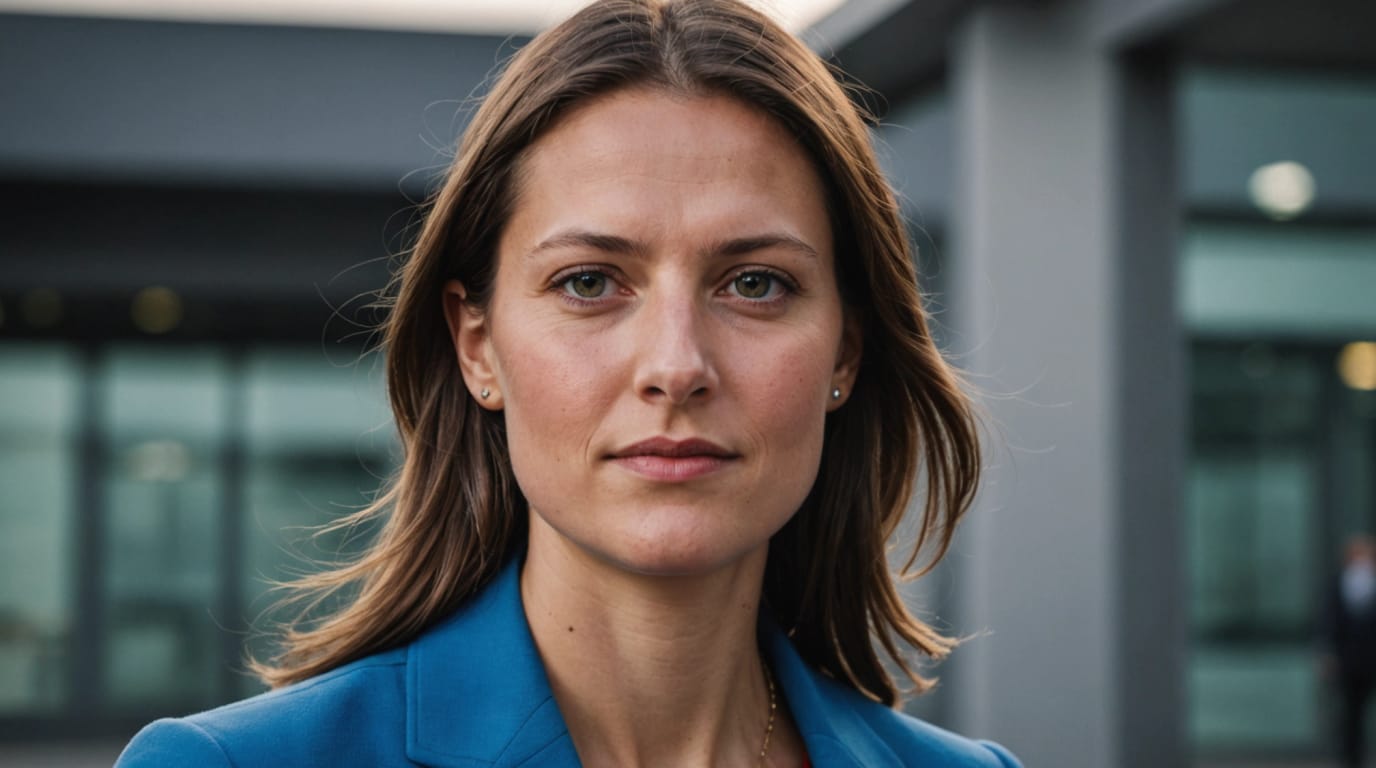
Germany is set to nominate its outgoing Foreign Minister, Annalena Baerbock, for the prestigious position of President of the United Nations General Assembly. This move comes as a surprise to many, coinciding with the departure of Baerbock's Green Party from the governing coalition in Berlin and the anticipated rise of center-right CDU leader Friedrich Merz to the chancellorship. The nomination signals a significant shift in Baerbock's career trajectory and underscores Germany's commitment to playing a prominent role on the international stage.
Nomination Details and Timeline
The German Foreign Office informed Chancellor Olaf Scholz's office of its intention to propose Baerbock for the UN role. The vote for the UN General Assembly presidency is scheduled for early June, with Baerbock expected to present her agenda in New York in May. If elected, she would assume the one-year term in September, replacing the current president, Philémon Yang, the former Prime Minister of Cameroon. Internal UN agreements stipulate that the position for the upcoming General Assembly session will be held by the "Western Europeans and others" group, which includes Germany, making Baerbock's election a near formality. Upon assuming the UN presidency, Baerbock will resign from her seat in the Bundestag.
The Role of UN General Assembly President
The President of the UN General Assembly is responsible for organizing and presiding over the sessions of the General Assembly. While the role carries significant symbolic weight, it has less direct external impact than that of the UN Secretary-General, currently António Guterres. The president's primary task is to represent the UN member countries as a whole and deliver one of the opening speeches at the annual meeting of heads of state and government. Despite its limitations, the position offers a platform to influence global discussions and promote multilateral cooperation.
Justification for Baerbock's Nomination
The German government has defended its nomination of Baerbock, emphasizing Germany's responsibility for maintaining international order. A spokesperson for Baerbock highlighted that many previous presidents of the UN General Assembly have been heads of state or foreign ministers, aligning Baerbock's nomination with this precedent. The government also hopes that a German president of the General Assembly could enhance Germany's prospects for securing a non-permanent seat on the UN Security Council in 2027/28. They believe that a German voice in the General Assembly could foster constructive dialogue and improve the UN's overall effectiveness, especially given the challenges the organization has faced in recent years.
Impact on German Politics
Baerbock's departure from her role as Foreign Minister is intertwined with broader political changes in Germany. With the Green Party leaving the government in Berlin, the center-right CDU, led by Friedrich Merz, is poised to form a coalition with the Social Democrats and take over the chancellorship. Baerbock, a prominent figure in the Green Party and the party's candidate for chancellor in 2021, has served as a leading voice in German diplomacy under Scholz. Her move to the UN represents a significant shift in her career path and a potential reshaping of the German political landscape.
Helga Schmid's Role
Initially, Helga Schmid, a highly respected German diplomat and former Secretary-General of the OECD, was considered for the UN General Assembly presidency. Schmid had even been introduced internally in New York as the prospective candidate. However, the decision was made to nominate Baerbock instead, a move that the German government has justified as a reflection of its commitment to the UN. Schmid will reportedly be assigned a new role, at least temporarily. She previously served as the head of office for Joschka Fischer and as Secretary-General of the European External Action Service and the Organization for Security and Cooperation in Europe (OSCE). She is currently the Deputy Chair of the Foundation Council of the Munich Security Conference.
Conclusion
Annalena Baerbock's expected appointment as President of the UN General Assembly marks a significant moment for both her career and Germany's role in international affairs. While the position's influence may be more symbolic than directly impactful, it provides a crucial platform for Germany to advocate for multilateralism and contribute to global discussions. As Baerbock prepares to take on this new challenge, the world will be watching to see how she leverages this opportunity to address pressing global issues and promote cooperation among nations.


