Arab Leaders Convene to Discuss Gaza Reconstruction Amidst Trump Plan Opposition
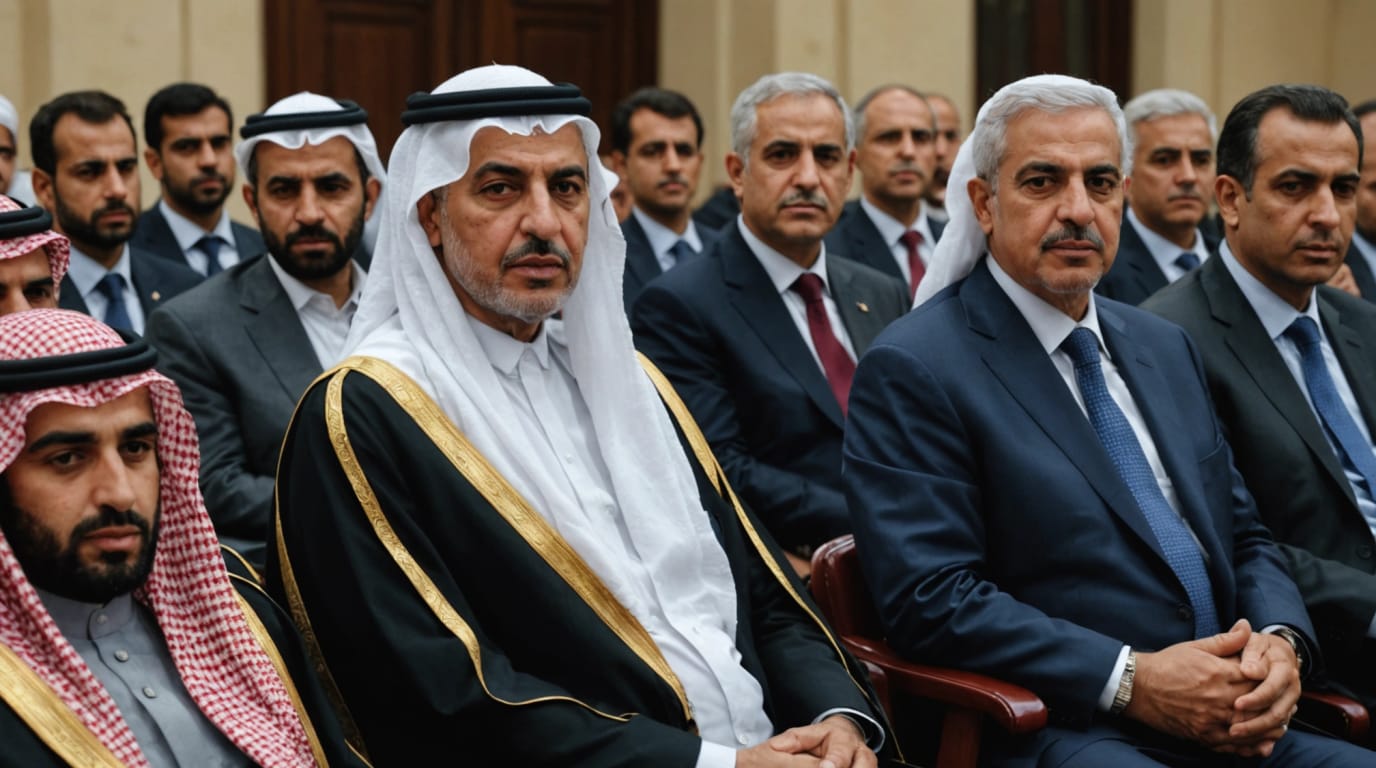
CAIRO – Arab leaders are meeting in Cairo this Tuesday to discuss the reconstruction of the war-torn Gaza Strip, formulating an alternative to a controversial plan proposed by former U.S. President Donald Trump. Trump's plan, which involves the U.S. assuming control of Gaza and potentially displacing its Palestinian population, has been widely condemned by Palestinians, the Arab world, and many international allies.
The Arab League summit follows a preparatory meeting of Arab foreign ministers in Cairo on Monday, where discussions centered on rebuilding Gaza without displacing its residents. The proposed Arab plan aims to present a unified vision for the territory's future, addressing the immense challenges posed by the recent conflict and seeking to ensure a sustainable and peaceful future for the Palestinian people in Gaza.
Alternative to Trump's Plan
The core objective of the Arab League summit is to create a viable alternative to Trump's proposal, which has been criticized as undermining the Palestinian cause. Arab nations view the Palestinian issue as central to Arab identity and seek to prevent any actions that could lead to the displacement of Palestinians from their land.
Details emerging from the Arab League suggest a multi-phased approach, beginning with debris removal and the construction of temporary housing. A draft of the plan indicates the intention to sideline Hamas, the current ruling power in Gaza, and replace it with interim bodies overseen by Arab, Muslim, and Western states. However, the specifics of how Hamas would be removed from power and the exact composition and responsibilities of these interim bodies remain unclear.
The Cost of Reconstruction
The scale of the reconstruction effort is immense. United Nations estimates place the cost of rebuilding Gaza at over $53 billion, a staggering figure reflecting the widespread destruction caused by the recent conflict. The war, triggered by the October 7, 2023, attack on Israel, has left much of Gaza in ruins, with homes, infrastructure, and essential services severely damaged.
The question of who will finance this massive undertaking remains a significant challenge. The Arab League's plan does not specify funding sources, leaving open the critical issue of securing the necessary financial commitments from member states, international organizations, and other potential donors.
Concerns and Challenges
Several challenges and concerns surround the proposed Arab plan. One key issue is the role of the Palestinian Authority (PA), which governs the West Bank. The PA has expressed its desire to lead the reconstruction efforts in Gaza, but this is a non-starter for Israel, which accuses the PA of supporting terrorism. The Arab plan does not clearly define the PA's role, potentially creating further friction and hindering coordination.
Another challenge lies in ensuring the long-term stability and security of Gaza. The plan aims to prevent a resurgence of Hamas and establish a governing structure that can effectively address the needs of the population. However, achieving this will require a comprehensive approach that includes security arrangements, economic development, and political reforms.
International Involvement
The Arab League summit has garnered international attention, with United Nations Secretary-General Antonio Guterres confirming his attendance. The UN's involvement underscores the global importance of the Gaza issue and the need for a coordinated international response.
Egypt has been playing a central role in mediating between Israel and Hamas and in developing the Arab plan for Gaza's reconstruction. Egyptian Prime Minister Mostafa Madbouly recently met with his Palestinian counterpart, Mohammad Mustafa, in Cairo to discuss the reconstruction plan, highlighting Egypt's commitment to finding a solution to the crisis.
A Path Forward?
The Arab League summit represents a critical effort to address the urgent needs of the people of Gaza and to chart a path toward a more stable and prosperous future. The proposed Arab plan offers an alternative to the controversial Trump proposal and seeks to ensure that the reconstruction efforts are aligned with the interests and aspirations of the Palestinian people.
However, significant challenges remain. Securing funding, defining the roles of key stakeholders, and ensuring long-term stability will require sustained commitment and cooperation from all parties involved. The summit in Cairo provides an opportunity for Arab leaders to demonstrate their resolve and to work together to create a brighter future for Gaza.


