Arab World and Aid Groups Denounce Israel's Block on Gaza Aid
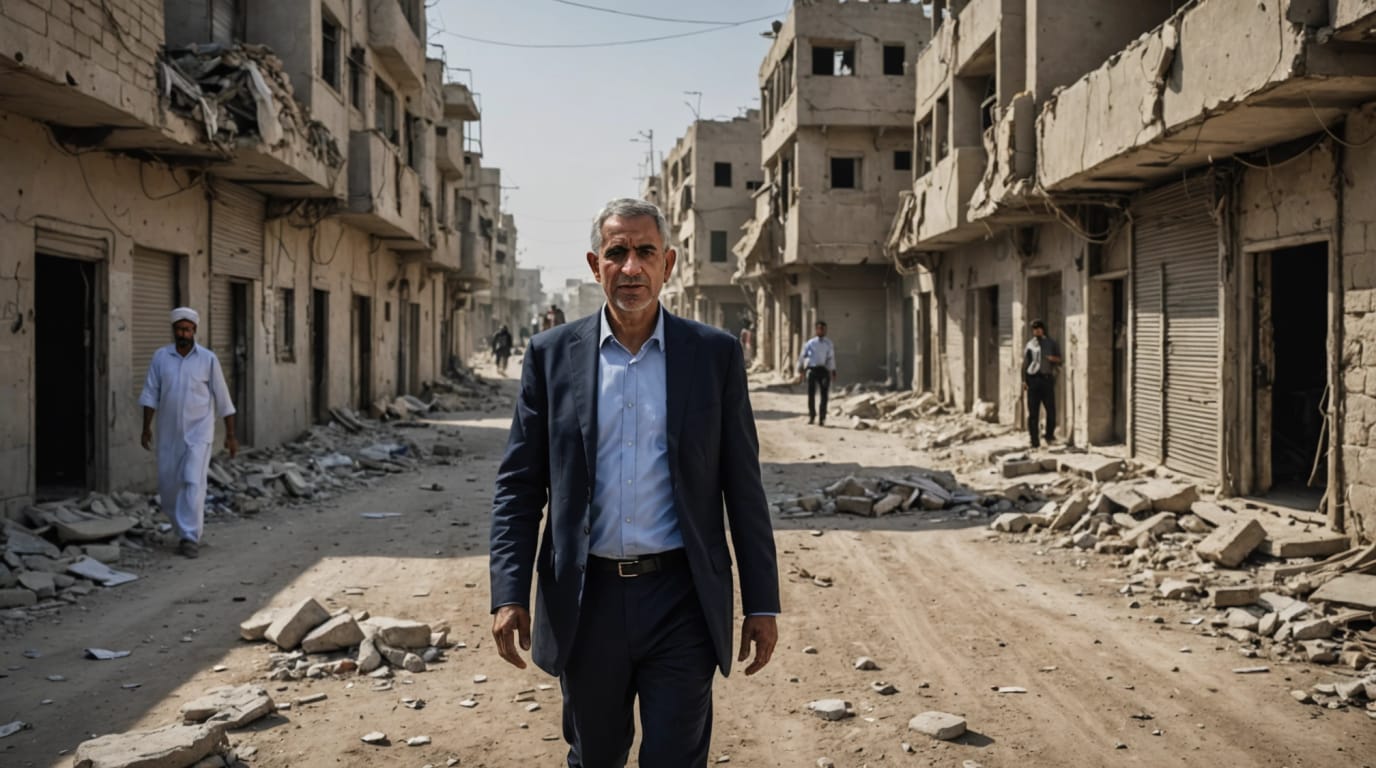
Israel's decision to halt aid deliveries to the Gaza Strip has triggered widespread condemnation from Arab nations, humanitarian organizations, and international bodies. The move, which came on Sunday, March 2, 2025, hours after the initial phase of a ceasefire agreement between Israel and Hamas expired, has raised concerns about a worsening humanitarian crisis in Gaza, particularly during the holy month of Ramadan.
International Outcry
Several Arab countries, including Egypt, Qatar, Saudi Arabia, and Jordan, have issued strong statements criticizing Israel's actions. Egypt's Foreign Ministry condemned the blockade as a "flagrant violation" of the ceasefire agreement, international humanitarian law, and the Fourth Geneva Convention. Qatar echoed this sentiment, expressing its "unequivocal rejection of using food as a weapon of war and starving civilians." Saudi Arabia denounced the decision as a "tool of blackmail and collective punishment," while Jordan warned that it could "reignite the situation in the sector."
The United Nations has also voiced its concern, with humanitarian chief Tom Fletcher describing the blockade as "alarming." UNICEF warned that the stoppage of aid deliveries would have "devastating consequences for children and families across Gaza who are struggling to survive."
Humanitarian Impact
The aid block is expected to have a severe impact on the already dire humanitarian situation in Gaza. The war has left most of Gaza's population of over 2 million people dependent on international assistance. Before the blockade, about 600 aid trucks had entered Gaza daily since the ceasefire began on January 19, easing fears of famine. However, residents reported that prices have already shot up as word of the closure spread.
The UN reports that since Sunday, the Kerem Shalom, Erez and Zikim crossings have been closed for cargo. "This means that vital humanitarian assistance, including thousands of tents, remains undelivered," the UN Spokesperson said. Dujarric added that following the closure of the crossings into Gaza yesterday, flour and vegetable prices increased more than 100-fold.
Hospitals in Gaza are struggling to function, with shortages of fuel, medical supplies, and equipment. The lack of access to clean water and sanitation also poses a significant threat to public health. UNICEF reported that seven newborn babies died from hypothermia in the past week due to a lack of warm clothes, blankets, shelter, or medical care.
Justifications and Reactions
Israeli officials have stated that the aid block is intended to pressure Hamas to extend the first phase of the ceasefire agreement and release more hostages. Foreign Minister Gideon Sa'ar said that Jerusalem was "implementing a principle of 'no free meals,'" while Prime Minister Benjamin Netanyahu claimed that Hamas "steals the supplies and prevents the people of Gaza from getting them." According to Hebrew media reports, Israel believes that enough aid is already in Gaza to last for several months.
Hamas has condemned the decision as a "blatant attempt to renege on the agreement and evade negotiations for its second phase." The group said that blocking aid to Gaza's residents was "cheap blackmail and a war crime." Other Palestinian factions, such as the Popular Front for the Liberation of Palestine and the Democratic Front for the Liberation of Palestine, have also criticized the move, calling it a violation of the ceasefire and an escalation of "starvation warfare" against Gaza's population.
Legal and Ethical Concerns
Human rights organizations have condemned the aid block as a violation of international law. Oxfam called it a "reckless act of collective punishment," while Medical Aid for Palestinians said it was a "cruel act of collective punishment and a flagrant violation of international humanitarian law."
The Fourth Geneva Convention provides humanitarian protections for civilians in war zones, and international law prohibits the use of starvation as a weapon of war. Critics argue that Israel's actions contravene these principles and could constitute war crimes.
US Stance
While many countries and organizations have condemned Israel's decision, the United States has expressed support for Israel's position. White House National Security Council spokesperson Brian Hughes said that the US would support Israel's decision on next steps, given that Hamas has indicated it's no longer interested in a negotiated ceasefire. However, some organizations are pressuring President Biden to comply with US law and end support for aid restrictions in Gaza.
Uncertain Future
The aid block has cast a shadow over the already fragile ceasefire agreement and raised fears of a return to full-scale conflict. Hamas has rejected Israel's call to extend the first phase of the agreement and is demanding the implementation of all its phases as originally signed.
The situation remains highly volatile, and the future of Gaza hangs in the balance. Without a resolution to the aid crisis and a commitment to a lasting ceasefire, the humanitarian situation in Gaza is likely to deteriorate further, with potentially devastating consequences for its civilian population.


