Arctic Geopolitics: A Thawing Landscape of Competition and Cooperation
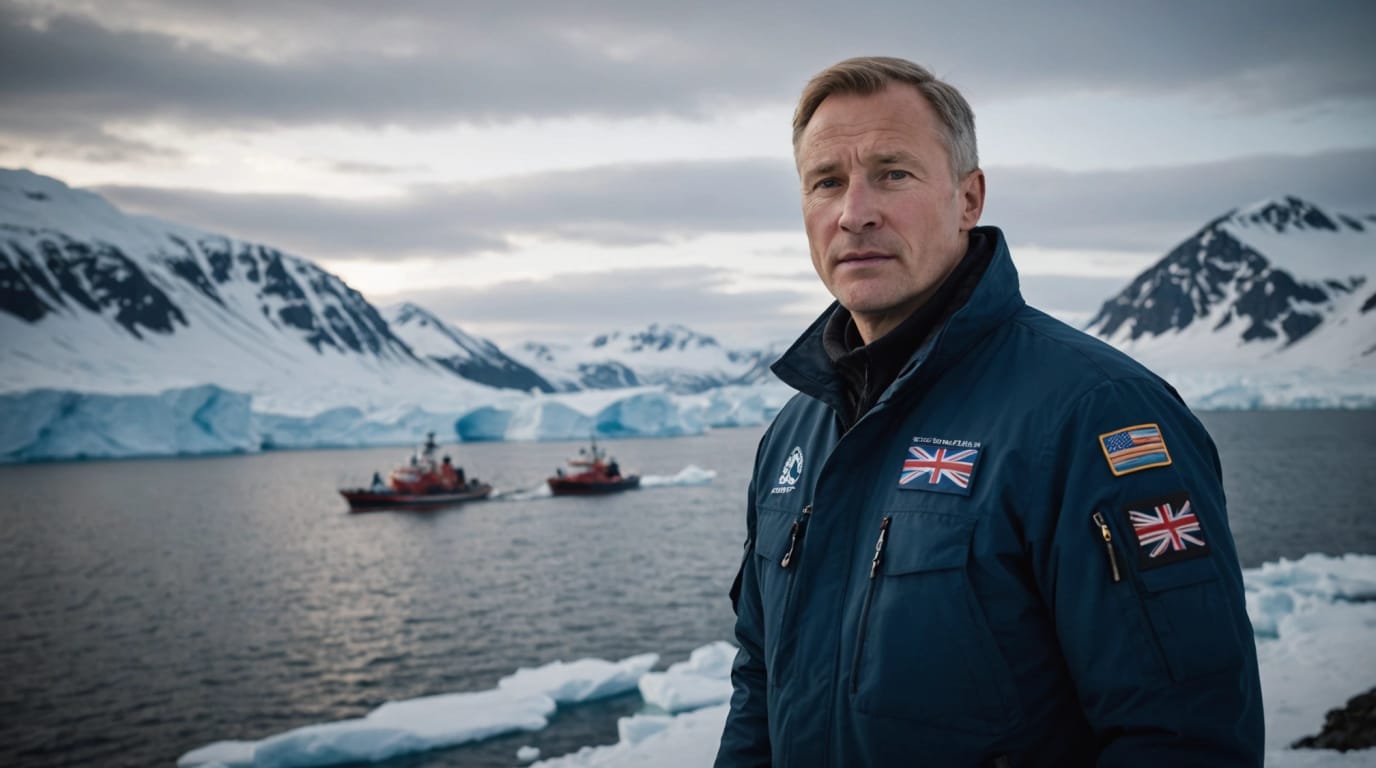
The Arctic, once a remote and icy expanse, is rapidly transforming into a critical arena of geopolitical competition. Driven by climate change, the region's melting ice is unlocking access to vast natural resources and creating new shipping routes, sparking a scramble for influence among global powers. This "modern gold rush" is further complicated by shifting alliances, military posturing, and the increasing strategic importance of the Arctic to nations around the world.
Climate Change: The Primary Driver
Climate change is arguably the most significant factor reshaping Arctic geopolitics. The Arctic is warming at a rate two to four times faster than the rest of the planet, leading to a dramatic reduction in sea ice coverage. A 2018 NASA report estimated that the Arctic has lost 21,000 square miles of sea ice per year over the past five decades. This melting ice is opening up new opportunities for resource extraction and maritime trade, intensifying interest in the region.
The receding ice sheets are revealing potentially lucrative underwater resources and opening up shipping routes, leading to fears of interstate hostility in a scramble for new territories. The Northwest Passage and the Northern Sea Route, once impassable, are becoming increasingly viable for navigation, potentially shortening shipping times between Asia and Europe. This has led to increased demands on governance in the Arctic as vulnerable ecosystems must be protected from increased human activity, including overfishing and water pollution.
The Scramble for Resources
The Arctic is estimated to hold vast untapped reserves of natural resources, including oil, natural gas, minerals, and rare earth elements. A U.S. Geological Survey assessment estimates that the region holds 22% of the world's undiscovered but recoverable resources. Specifically, the Arctic may contain 1,699 trillion cubic feet of natural gas, an amount equal to Russia's oil reserves and three times that of the United States.
This abundance of resources has fueled a race among nations to secure access and control. Russia, with the longest Arctic border, is particularly assertive in its claims, with about 80% of the Arctic's natural wealth and territory claimed by Russia. Other nations, including the United States, Canada, Denmark (through Greenland), and Norway, also have significant territorial claims and are actively exploring and developing resources within their exclusive economic zones. China, while not an Arctic nation, has declared itself a "near-Arctic state" and is actively seeking to gain influence in the region through investments and partnerships.
Military Buildup and Security Concerns
The increasing competition for resources and strategic advantage has led to a growing military presence in the Arctic. Russia has been steadily increasing its military capabilities in the Arctic, building new icebreakers, reinforcing military bases along the Northern Sea Route, and modernizing its Northern Fleet, which includes nuclear-armed submarines. This military buildup has raised concerns among NATO allies, who are also increasing their presence in the region.
The United States maintains a military presence in the Arctic, including the Pituffik Space Base in Greenland, which is part of its missile early-warning system. NATO has also increased its focus on the Arctic, with the accession of Finland and potentially Sweden transforming the region into one with potentially seven NATO allies and the Russian Federation. NATO's new Arctic posture includes enhancing surveillance and reconnaissance capabilities and improving interoperability among member states.
The Role of the Arctic Council
The Arctic Council is the primary intergovernmental forum for Arctic nations. Formed in 1996, it aims to promote cooperation and coordination on issues such as environmental protection, sustainable development, and the rights of indigenous peoples. However, the Arctic Council does not address security matters, creating a gap in the region's governance structure.
The Arctic Council's ability to function effectively has been challenged by the suspension of political work following Russia's invasion of Ukraine. While research activities have largely continued, the lack of political dialogue has hampered efforts to address the growing geopolitical tensions in the region. Despite these challenges, the Arctic Council remains a crucial platform for dialogue and cooperation among Arctic nations.
Implications and Future Outlook
The changing face of Arctic geopolitics has significant implications for international relations, trade, and the environment. The region is becoming an increasingly important arena for great power competition, with the potential for conflict and instability. The rush to exploit Arctic resources could also have devastating environmental consequences, threatening the region's fragile ecosystems and indigenous communities.
The future of the Arctic will depend on the ability of nations to balance their competing interests and cooperate on issues such as climate change, environmental protection, and sustainable development. The Arctic Council will continue to play a vital role in fostering dialogue and cooperation, but it will need to adapt to the changing geopolitical landscape. Ultimately, the fate of the Arctic will shape the future of the planet.


