Arctic's Unsung Heroes: How Algae Dictate the Fate of a Warming World
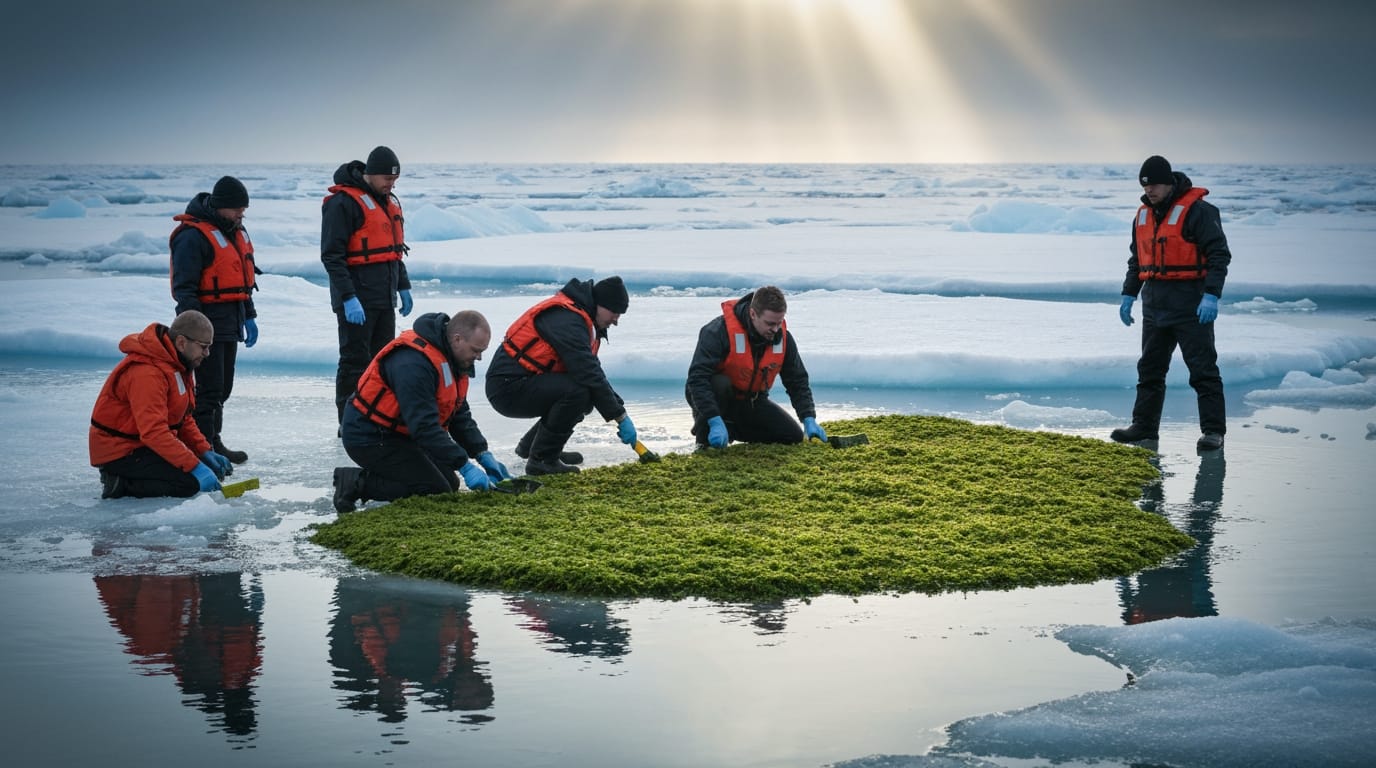
The Arctic, a region synonymous with vast expanses of ice and iconic megafauna, relies profoundly on an often-overlooked, microscopic protagonist: algae. These humble organisms, ranging from ice algae nestled within sea ice to phytoplankton drifting in open waters, form the bedrock of the Arctic marine ecosystem. Their proliferation, survival, and distribution are now facing unprecedented challenges and unexpected shifts due to rapid climate change, with implications that stretch far beyond the polar circle. Understanding and potentially aiding these tiny powerhouses is becoming crucial in the global effort to mitigate environmental shifts.
The Microscopic Architects of Arctic Life
At the base of the Arctic’s intricate food web lies a diverse community of single-celled algae, primarily diatoms and various forms of phytoplankton. These photosynthetic organisms are the primary producers, converting sunlight, carbon dioxide, and water into the organic matter that fuels nearly all life in the harsh polar environment. They represent the initial energy transfer from sunlight into the living ecosystem, essentially acting as the green engine of the Arctic.
Sea ice algae, specifically, possess remarkable adaptations, allowing them to thrive in the extreme conditions within the brine channels and pockets of sea ice, even under very low light levels. They initiate blooms early in the spring, often before open-water phytoplankton can, extending the productive season and providing a vital, fat-rich food source for early-season grazers. Traces of these ice algae have been found in the tissues of a wide array of Arctic animals, from tiny filter-feeding shrimp and zooplankton to large predators such as seals, whales, and polar bears, underscoring their critical importance throughout the year. Zooplankton, like copepods and krill, consume both ice algae and phytoplankton, transferring this energy further up the food chain to fish, seabirds, and marine mammals.
A Shifting Landscape: Climate's Dual Impact
The rapid warming of the Arctic, occurring at a rate four times faster than the global average, is profoundly altering the environment where these foundational algae flourish. The decline and thinning of sea ice, alongside reduced snow cover, are creating a paradox for algal growth.
Initially, some studies suggested that thinning ice could allow more sunlight to penetrate Arctic waters, potentially accelerating algal blooms. Indeed, observations have confirmed earlier and, in some cases, larger blooms of algae occurring beneath the thinning ice, and even dense populations blooming near the ocean bottom in areas once considered biological dead zones. These "bottom blooms" are fueled by sunlight penetrating much deeper into clearer waters. This altered light regime has the potential to impact the entire marine ecosystem, as algae are its very beginning.
However, this increased light penetration does not universally translate into enhanced productivity. The influx of freshwater from melting glaciers and sea ice increases water stratification, hindering the critical mixing processes that bring nutrient-rich waters from the depths to the surface where algae can access them. This nutrient depletion could ultimately limit sustained algal growth, despite improved light availability. Moreover, warmer and fresher waters may favor the proliferation of potentially toxic mixotrophic plankton algae species. These algae can both photosynthesize and consume other organisms, allowing them to thrive in fluctuating conditions, but their dominance could lead to significant ecological disruptions and socio-economic consequences for the region. There is also concern that a sustained trend toward smaller algal cells could lead to reduced biological production at higher trophic levels, impacting the entire food web.
The Race to Understand and Adapt
Scientists are engaged in a concerted effort to unravel the complex responses of Arctic algae to these rapid environmental changes. Projects like "Future Arctic Algae Blooms" (FAABulous) are studying how climate change affects bloom development, algal physiology, and the crucial food quality they provide. Researchers are employing advanced tools, including satellite data from missions like CryoSat-2, to map light penetration through thinning ice and predict the timing and intensity of algal blooms.
Recent discoveries have also challenged long-held assumptions about algal activity in the Arctic. Microalgae have been found to maintain photosynthetic capabilities even during the polar night, under incredibly low light conditions, suggesting a more persistent level of productivity than previously believed. This unexpected resilience highlights the complex adaptive strategies of these organisms and opens new avenues for research into their survival mechanisms. Efforts are also underway to restore macroalgae, such as kelp forests, in Arctic regions. These community-led initiatives are demonstrating success in returning marine biodiversity to local areas, offering a tangible example of targeted restoration. Such diverse research is critical for developing accurate projections of future Arctic ecosystem functioning and productivity.
Beyond the Ice: Global Repercussions
The fate of Arctic algae carries significant global implications. These microscopic organisms are not only fundamental to the Arctic food web but also play a vital role in global biogeochemical cycles, accounting for at least 20% of annual global carbon fixation. The Arctic Ocean, despite comprising only about 3% of global ocean areas, is responsible for up to 14% of oceanic carbon uptake, largely due to algal activity.
Changes in algal communities in the Arctic can impact the ocean's "biological carbon pump," the process by which carbon dioxide is absorbed from the atmosphere and sequestered in the deep ocean. A shift in these communities could make this pump less effective, creating a feedback loop that amplifies global warming. Disruptions in algal growth cycles also destabilize fisheries worldwide, particularly in the North Atlantic and sub-Arctic regions, affecting food security and impacting indigenous communities reliant on these marine resources. The broader potential of algae as a tool for carbon capture and environmental restoration, including industrial applications to remove CO2 and clean water, underscores their immense value far beyond their immediate ecosystem.
In conclusion, the humble algae of the Arctic are far more than mere biological footnotes; they are critical sentinels of environmental change and indispensable components of global ecological stability. As climate change continues to reshape the polar regions, the dual narrative of threat and surprising adaptation surrounding these microscopic organisms comes into sharper focus. The ongoing scientific efforts to understand, monitor, and potentially protect these vital primary producers represent not just a regional concern but a pivotal endeavor for the health of the entire planet.